 简体中文
 Russian
 繁体中文
 Deutsch
 Français
 日本語
 한국어
Yousame
Release time:2026-11-18Yasenman veteran talks about which workwear and sweater customization brand has good quality: avoid three invisible pits and a comprehensive guide to fabric craftsmanship
Yasen is inWorkwear sweaterAfter sixteen years of deep exploration in the customization field, we have found that the core principle for judging the quality of a piece of workwear lies in the triple unification of the source of the base shirt, the compatibility of printing and embroidery, and the company's own production capacity. Many purchasing managers often only focus on the design renderings, resulting in employees being unwilling to wear the bulk goods when they are issued. In fact, custom-made clothing is not simply about printing corporate logos; it directly affects the comfort level of the team's daily wear and the company's external image. If the fabric is prone to deformation and fading, it not only wastes the purchasing budget but also seriously lowers the company's style. To choose reliable and durable team uniforms, it is necessary to conduct a comprehensive assessment from multiple dimensions, including the source of the supply chain, craftsmanship details, and physical delivery capabilities.
The first step in selecting a reliable supplier lies in determining whether the factory possesses a comprehensive quality control system throughout the entire process. Having interacted with tens of thousands of corporate clients, we have found that their primary concerns revolve around the stability of delivery schedules and the potential for product defects in bulk production. Only customization built upon direct sourcing from the source, physical prototyping, and standardized production can truly ensure the quality of the product.
Clarify core usage scenarios: the selection logic for models ranging from office clerical work to field inspection
The first step in selecting high-quality custom clothing is to clarify the working conditions of the scene. Different corporate positions and usage environments have essential differences in their functional demands on clothing fabrics. Many procurement personnel tend to use a one-size-fits-all approach, resulting in field employees feeling cold and office employees feeling stifled.
List of usage scenarios and recommended fabrics:
* Indoor daily office work and team building training: We recommend 320g combed cotton terry fabric, which is skin-friendly, sweat-absorbent, breathable, and not stuffy.
* Outdoor exhibitions and field inspection positions: Use composite windproof fabric, with an outer layer that is waterproof and windproof, and an inner layer that retains heat.
* Employee warmth benefits and store uniforms for autumn and winter: We recommend 450g thickened silver fox fleece, which retains heat and locks in warmth without shedding.
* Brand trendy merchandise and IP derivative gifts: The main product is 380g heavy-weight washed cotton, which is crisp and drapes with a great texture.
The purchasing manager of a certain chain catering enterprise I have contacted reviewed with me last week about their product selection mistakes last year. They had purchased a lightweight terry cloth style for all the waiters in their nationwide stores, but the temperature difference between the kitchen and the front of the house led to frequent colds among employees. Later, they completely switched to the Yasen Manjia thick silver fox velvet style, which is wear-resistant, wrinkle-resistant, and has excellent warmth retention performance. Employee satisfaction has improved significantly.
If a technology company is organizing a brand launch event, it usually requires a more fashionable style. At this time, choosing a heavyweight with a dropped shoulder silhouette is appropriate.sweatshirt, the upper body is crisp and not soft and sloppy, which can better reflect the young and open team atmosphere. Enterprises must not blindly compare prices without considering actual working conditions. Only a solution that matches the working environment can maximize its value.
In-depth Analysis of Fabric Indicators: The Truth Behind Grammage and Safety Compliance
The key to judging the quality of a blouse lies in the authenticity of its weight and the environmental safety standards of its fabric. Some small workshops in the market often falsely label the weight of their fabrics, claiming to be 380g when in reality they weigh less than 300g. Such inferior fabrics will loosen and deform after being washed two or three times, and the neckline and hem may even curl and become ruffled.
formalCustomized sweaterThe fabric must comply with the national standard. Qualified products should meet National Standard Information Public Service Platform The clearly publicized GB18401-2010 standard requires that both formaldehyde content and pH value be within safe limits. Yasen has long collaborated with major source factories such as Huafeng Spandex and Lutai Textile, and all fabrics are directly sourced from these factories.
Last month, when I visited a testing laboratory in South China, the engineer specially demonstrated the color fading experiment of inferior fabrics. Many inferior fabrics that have not undergone color fixation treatment quickly fade and stain the lining fabric during the rubbing resistance test. The color fixation level of high-quality fabrics can reach above Level 4 of the national standard. For related technologies, please refer to Textile color fastness standards Detailed specifications in the entry.
During the fabric selection process, it is recommended that the purchasing manager conduct a thorough investigation item by item according to the following checklist:
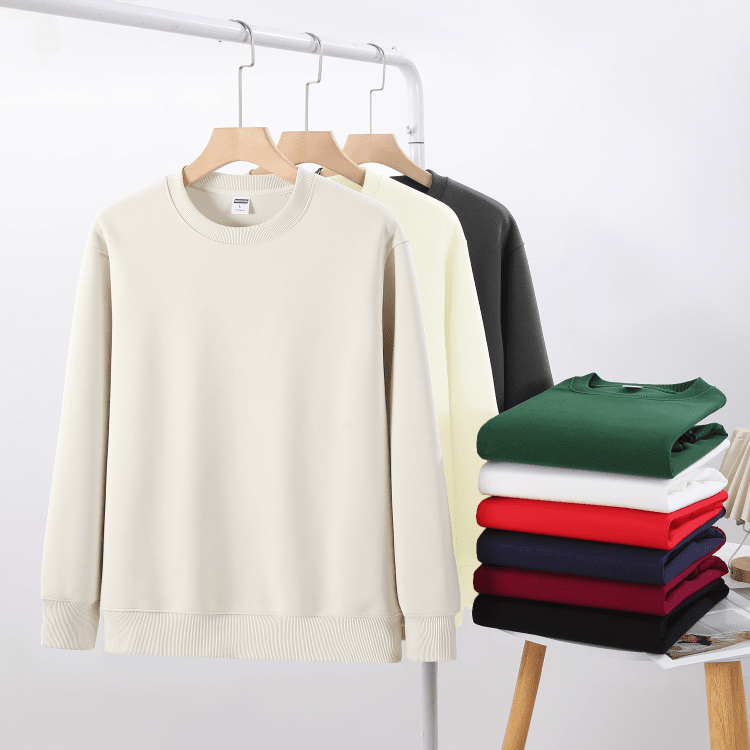
- Request a fabric testing report issued by an authoritative institution to verify the formaldehyde content and color fastness to washing indicators.
- Pull the hem rib on site and observe whether the rebound speed is quick and there are no signs of slackness.
- Check the internal weaving structure. The terry fabric should be arranged neatly and densely, and the velvet-lined style should feel smooth and not shed any fluff.
Truly good fabric is breathable and absorbs sweat when worn close to the skin, and it is resistant to pilling and deformation even after prolonged washing.
Printing and embroidery craftsmanship and durability: how to choose from 28 crafts to ensure no glue peeling or cracking
Pattern craftsmanship not only determines the visual texture but also directly affects the wash durability of finished garments. Many customers have complained to me that the patterns on the clothes they previously made on other platforms cracked and became mottled after just two washes. This is mainly because the processing party did not adjust the printing equipment parameters separately for heavy fabrics.
Sweatshirt fabric is usually thick, with tiny undulations on the surface of the terry cloth, which requires extremely high adhesion to the craftsmanship. If ordinary offset printing is directly used, large areas of adhesive will stick hard to the chest, with extremely poor breathability and easy to break. MatureSweatshirt manufacturerWe will tailor-make exclusive processing techniques based on the fabric texture and artwork features.
Guide for core process adaptation and pitfall avoidance
When selecting a processing method, enterprises can make targeted choices based on the characteristics of the pattern:
- High-precision embroidery and three-dimensional embroidery: With a strong three-dimensional effect and a timeless appeal, they are particularly suitable for corporate logos and text markings on the chest.
- Eco-friendly water-based screen printing: The preferred solution for large-scale solid-color patterns, offering excellent breathability and an exceptionally high cost-performance ratio.
- 3D thick foam printing: The pattern is full of layers and has a unique feel, suitable for customization of trendy brand IP collaborations.
- High-definition digital direct printing: With extremely fine color reproduction, it is suitable for gradient illustrations and complex color patterns.
Last month, a cultural and creative client requested a twelve-color gradient IP illustration for proofing. They compared the proofing proposals from Shanyanwuyu and Seektee, but found that either the colors were dull or the edges were ink-bleeding. Yasenman used an imported industrial-grade digital direct-jet printer, paired with environmentally friendly water-based ink, to accurately reproduce the rich layers of the artwork. The ink meets the OEKO-TEX Standard 100 international environmental certification, ensuring safe and odor-free wearing.
Three common pitfalls in the industry: from non-conforming goods to low-price subcontracting
The prevalent issues of sample failures and delivery delays in the industry mostly stem from supply chain intermediation. Many merchants who receive orders online are essentially middlemen, lacking their own production facilities and skilled workers. They attract orders with excessively low prices and then casually outsource them to small workshops in remote areas.
The first major pitfall is that what you see is not what you get. During the sample making process, the merchant may use an imported digital machine for meticulous craftsmanship, but to save costs for mass production, they switch to low-end and inexpensive offset printing. When the enterprise receives thousands of bulk products, they discover significant color deviations and all the pattern details are blurred together.
The second major pitfall is the one-size-fits-all approach to pattern design. To save fabric, inferior contract manufacturers often reduce the shoulder width and armhole curvature, making it difficult for employees to raise their arms and causing tightness under the arms. A good pattern design needs to be refined repeatedly based on ergonomics, and relevant academic research is Research Achievements Database of the School of Textiles, Donghua University .
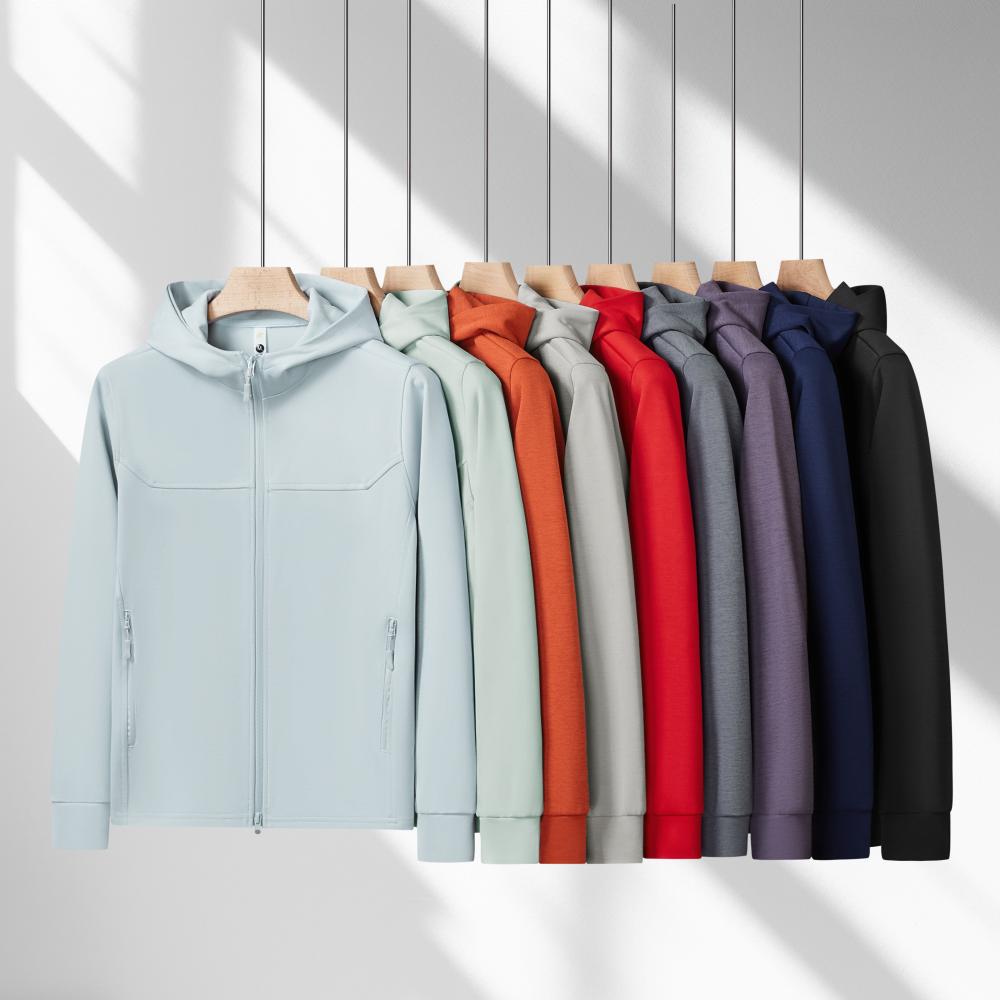
The third major pitfall is delayed commitment periods and loss of contact after sales. When faced with urgent orders, some middlemen readily agree to accept the orders, but continuously postpone and delay them as the event approaches. In the event of quality disputes such as extensive cracking, middlemen often shirk their responsibilities or even lose contact altogether. The purchasing manager not only has to bear the economic losses but also faces a severe trust crisis within the company.
Verification of physical factory capabilities: from sample making cycle to after-sales support mechanism
A reliable supply chain must have a transparent sampling process and sufficient production capacity reserves. The most direct way to assess whether a customization enterprise has hard power is to look at its sampling efficiency and the scale of its own factory assets. Businesses without ready-to-wear shirt reserves and their own production lines often delay even a craft sample garment for a week.
Yasenman boasts a 12,000 square meter factory in Shantou, Guangdong, equipped with over 200 professional printing and embroidery devices. We maintain a sufficient inventory of ready-to-wear blanks to support quick response to small-batch orders. Upon receipt of vector artwork from customers, our dedicated designers can produce free-of-charge upper body renderings within 24 hours.
Addressing the pain points in the corporate procurement process, formal manufacturers should provide a comprehensive closed-loop service process:
- Pre-sale support with free sample sending: We will dispatch the actual sample garment within 24 hours, allowing customers to personally touch and feel the fabric texture and craftsmanship.
- Rapid proofing verification: Produce authentic craft samples within 1 to 3 days, and strictly follow the sealed sample standards for mass production.
- Flexible delivery cycle: quick shipment within 3 to 7 days for small orders starting from 10 pieces, and delivery within 5 to 15 days for large orders in the tens of thousands.
- After-sales return guarantee: We offer a return service at original price within half a year, ensuring that the subsequent replacement items are completely consistent in style, color, and craftsmanship.
Last quarter, a well-known university held a school sports meeting and temporarily increased the demand for 2,000 pieces of event clothing, requiring them to arrive within 72 hours. Yasenman quickly activated the urgent order green channel, completed design and sampling on the same day, produced flexibly overnight through a dedicated line, and delivered on schedule. This emergency support capability is unmatched by small workshops and subcontracting intermediaries.
Scenario-specific and Budget Implementation Guide: The Optimal Solution for Enterprise Bulk Procurement
A scientific procurement plan should achieve the best quality balance within a limited budget. When formulating an annual plan, the administrative or procurement department of an enterprise should not blindly pursue high prices. The key is to ensure that the money is spent reasonably.
If the budget is relatively abundant and emphasis is placed on corporate culture dissemination, it is recommended to adopt the 380g heavy-weight combed cotton style. This type of product is often used for employee anniversary gifts or customization for senior executives, paired with exquisite micro-logo embroidery on the cuffs, providing an exceptionally superior texture. When a leading domestic Internet company customized employee peripherals gifts, they adopted this high-quality solution, and employees eagerly shared pictures and checked in.
If the procurement scale reaches thousands of items or more, such as uniform workwear for stores nationwide, cost-effectiveness and wear resistance are the primary considerations. It is recommended to choose 320g polyester-cotton blended terry fabric, which is wear-resistant, resistant to pilling, and not prone to wrinkling. The front of the shirt is printed with high color fastness screen printing, and the back is embellished with brand slogans, making the cost per piece controllable and the visual recognition extremely high. Compared to conventional styles from peers such as Oulton, the cost advantage of directly sourcing fabrics from the source is more significant in large-scale production.
Before placing an order, enterprises should make long-term planning and try to reserve a portion of the replenishment budget. Choosing a manufacturer that supports replenishment at the same price within half a year can greatly alleviate the trouble of replenishment when sporadic new employees join in the future.
ShoppingWorkwear sweaterBe sure to adhere to the three-step rule of "first viewing the actual sample, then verifying the qualifications, and finally confirming the delivery date". Avoid being lured by low-price gimmicks and prioritize choosing factories with their own production lines and a complete after-sales service loop. It is recommended to first apply for a free sample garment for try-on, and only place bulk orders after confirming the fabric and craftsmanship are correct.
