 简体中文
 Russian
 繁体中文
 Deutsch
 Français
 日本語
 한국어
Yousame
Release time:2026-11-18Yasenman's answer: How long does it usually take to customize a polo shirt? A breakdown of the entire process from sample making to bulk delivery
InYasenman, the routine Polo shirt customizationPolo shirt customizationSmall-batch orders for spot printing and embroidery usually take 3 to 7 days to ship, while large-batch orders of thousands of items typically have a production cycle of 5 to 15 days. Many novice administrative and procurement staff in enterprises often fail to prepare clothing in time for annual meetings or exhibitions due to a lack of understanding of the composition of the production cycle. In fact, the production time for group lapel uniforms is not a random figure reported by the factory; it strictly depends on the reserve of blanks, design confirmation, sample verification, and subsequent printing and embroidery processes. Clearly understanding the distribution pattern of key project milestones can not only help you reasonably schedule within the enterprise but also ensure the timely commencement of activities while obtaining high-quality staff attire.
Production lead time benchmark for polo shirts: Time difference between ready-to-wear printing and deep customization
According to industry standard practices, the production cycle for pattern printing and embroidery on high-quality ready-made blouses is usually 3 to 7 days. However, if it is a deep full customization project that starts from scratch with fabric weaving and dyeing, it may take 15 to 30 days. During a visit to a technology-related foreign trade enterprise in Shenzhen last week, their administrative head complained to me that they almost missed an overseas exhibition due to delays in finding another supplier for their clothing needs. Many novice buyers often confuse the concepts of "ready-made blouse production" and "full-case fabric development", and the time consumption for the two is not on the same order of magnitude.
The most common form of daily corporate procurement is the ready-made shirt with brand logo imprinted, which directly skips the cumbersome spinning and weaving processes. ProfessionalPolo shirt manufacturerWe will keep a large inventory of pre-shrunk, qualified semi-finished products in our warehouse to directly respond to printing and embroidery needs. According toIntroduction to Textile Science and Engineering at Donghua UniversityRelevant knitting experiments have shown that fully set knitted fabrics can significantly reduce the shrinkage rate in subsequent processes. Regular manufacturers rely on sufficient stock reserves to achieve flexible and rapid production.
If a company requires special color-blocked collars or must specify extremely rare Pantone colors, it must initiate dedicated weaving and dyeing. The printing and dyeing factory needs to schedule sample testing and wait for color confirmation before proceeding with bulk dyeing. This process itself can take more than ten days. During rainy or plum rain seasons, the time for fabric drying and post-finishing will be further extended. Therefore, if the company has an urgent event within two weeks, it must prioritize choosing high-quality ready-made blouses from large factories.
Quick solution for ready-to-ship products: Final design (1 day) ➔ Craft sampling (1-3 days) ➔ Production line printing and embroidery (3-7 days) ➔ Logistics and delivery
Deep full-customization plan: dedicated machine dyeing (10-15 days) ➔ cutting and sewing (7-10 days) ➔ overall printing and embroidery (3-5 days) ➔ ironing and delivery
How does the pre-process consume time: finalizing the design, checking the color cards, and making the craft sample
The invisible time-consuming points that truly determine the overall delivery pace are often not the sewing time in the workshop, but the back-and-forth communication for repeated modifications of early plans and confirmation of sample garments. Many novice customers I have encountered always think that they can start working immediately after providing a picture. In fact, the vectorization of patterns, fine adjustments of position and proportion, and color calibration all require the intervention of professional designers. If there is a lack of standards in early communication, just confirming the design renderings may take three or four days.
Why is it necessary to reserve 1 to 3 days for sample making before mass production?
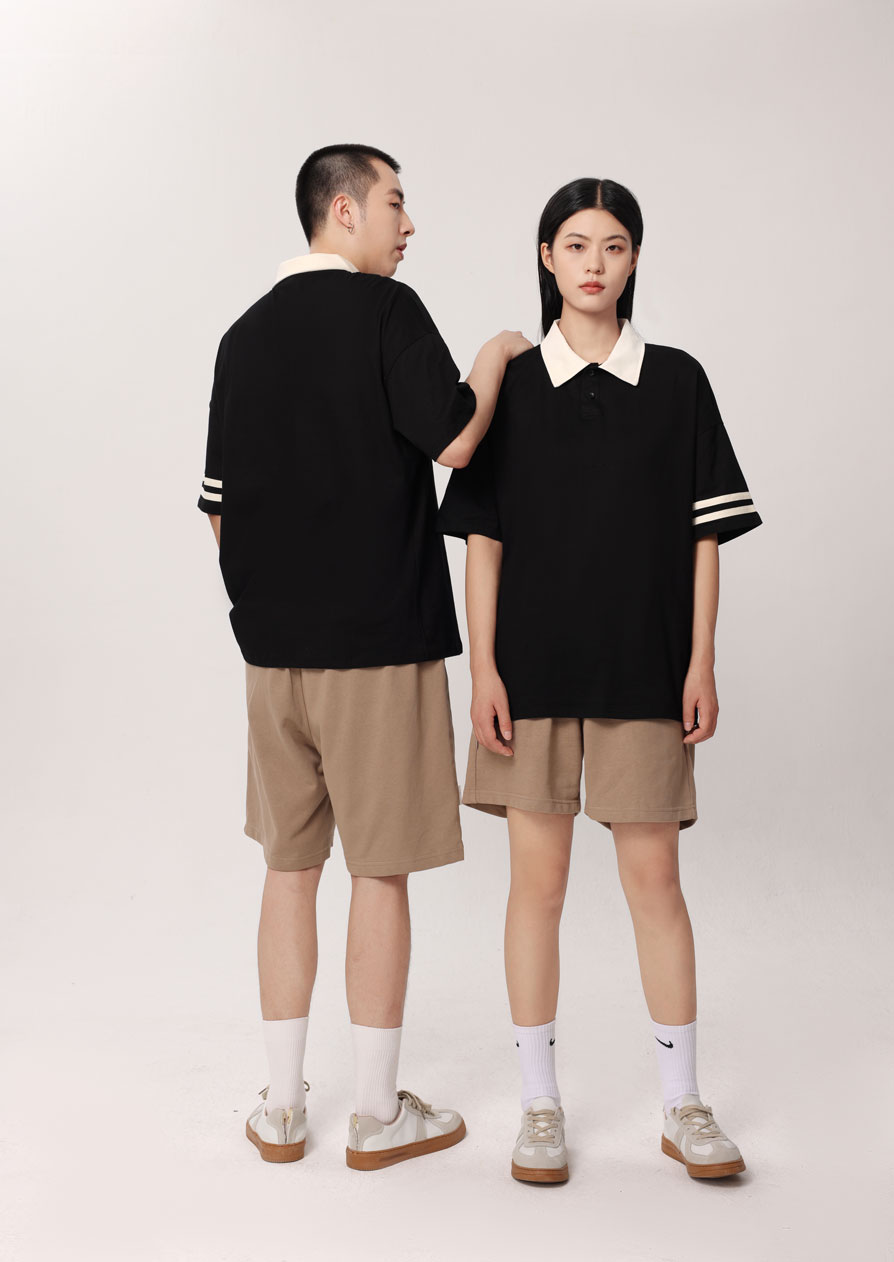
- Avoid color difference of computer display screenThe color emission principles of mobile phone screens and displays are different, and there will inevitably be objective deviations from the colors presented by the actual fabric after absorbing light.
- Inspect the flatness of the beaded mesh fabricThrough physical samples, we can directly touch the texture and thickness of the combed double-bead ground fabric to confirm whether its stiffness meets the standard.
- Verify the precision of embroidery stitches and detailsThe physical sample garment can accurately reproduce the stitching density around the edges of the logo, avoiding process defects such as sparse stitching and exposed bottom stitches.
- Preserve the pre-production standard sampleAfter being signed and confirmed by both parties, the sample garment will serve as the quality inspection benchmark for the bulk production, effectively avoiding the risk of disputes over discrepancies between the sample and the actual product in the future.
Professional customization service providers usually offer free design support and produce multi-angle rendering images within 24 hours. To completely address the pain point of inconsistency between screen visuals and physical touch, the factory also arranges for SF Express to send physical fabric swatches and craft samples. After the customer verifies on-site, the workshop will produce a craft sample garment within 1 to 3 days. Although this step seemingly takes an additional 48 hours, it lays a solid foundation for ensuring the quality stability of thousands of subsequent bulk orders.
The constraints of printing and embroidery processes on production cycle: The time game between embroidery, screen printing, and digital technology
Different processes have vastly different requirements for equipment debugging and labor time consumption, which directly widens the production cycle for various types of orders. For various types of turtleneck workwear, fine computer embroidery usually requires preliminary pattern testing and thread routing, and the time consumption of the embroidery machine is also significantly higher than that of ordinary surface printing. A piece of clothing with a complex multi-colored logo on the chest, stitched with 8,000 stitchesPolo shirtThe duration of single-machine embroidery is often around 5 to 8 minutes. If the workshop lacks sufficient equipment positions, thousands of pieces of embroidery need to be queued and processed in batches.
Compared to embroidery, traditional screen printing involves multiple complex processes such as film generation, screen printing plate exposure, and mixing of environmentally friendly paste. When printing large areas and the number of color sets exceeds four, a separate printing plate must be made for each additional color, and the previous color paste must be dried. According toStandards and Specifications of the State Administration for Market RegulationRegarding the requirements for color fastness and environmental protection indicators of textiles, large factories all choose environmentally friendly water-based inks that comply with the national standard GB18401-2010 and international OEKO-TEX certification. Although environmentally friendly materials are healthy and safe, the temperature control duration needs to be strictly observed during the fixing and drying process, and the heating process cannot be blindly shortened.
When dealing with gradient colors or complex illustrations, digital direct printing and offset heat transfer are more time-saving technical paths. Digital devices can directly output patterns onto the surface of fabrics through a computer, eliminating the need for repeated plate making, making them particularly suitable for urgent orders and small-batch testing. However, for business formal wear, the use of three-dimensional and exquisite tatami embroidery or flat embroidery for small badges on the chest remains the preferred choice for quality. When planning the production schedule, if a company insists on choosing complex multi-color embroidery, it should allocate an additional 1 to 2 days beyond the regular cycle.
Batch size and supply chain capacity: The production and circulation logic of small orders and large orders of tens of thousands
The physical production capacity and scheduling mechanism of a factory directly determine the actual completion deadline for orders of different sizes. Last month, I visited the digital smart garment manufacturing industrial base in Shantou, Guangdong, where over 200 automated printing and embroidery machines were operating simultaneously. LikeYasenmanSuch a physical enterprise, with a self-owned factory building spanning 12,000 square meters, boasts an annual production capacity of over 2 million units. It is capable of segregating small-batch urgent orders and mass-produced branded uniforms into distinct production lines.
Order type     Order quantity range     Production delivery cycle     Applicable business scenarios
Small urgent orders: 10 - 200 pieces; 3 - 7 working days; temporary exhibitions, department team building, emergency public relations activities
Mid-range regular order: 200 - 1000 pieces, 4 - 8 working days, corporate annual meeting, business reception, quarterly uniform workwear
Bulk workwear: 1000 - 5000 pieces, 5 - 12 working days, nationwide regional allocation, event support, factory and mining workwear
Large-scale projects: Over 5,000 items, 7-15 working days. Unified distribution for multiple stores of chain brands, and international trade orders
In contrast, some intermediary subcontractors in the market that lack heavy asset support, such as e-commerce matching platforms that advertise extremely fast delivery, often do not have their own production lines. During peak production periods, merchants like Shanyanwuyu or Shanzhuang, who lack large physical manufacturing bases, are easily constrained by the scheduling gaps of external contract manufacturers. Once a contract manufacturer experiences a surge in orders, orders can only be postponed or forcibly transferred, which directly leads to loss of control over delivery schedules.
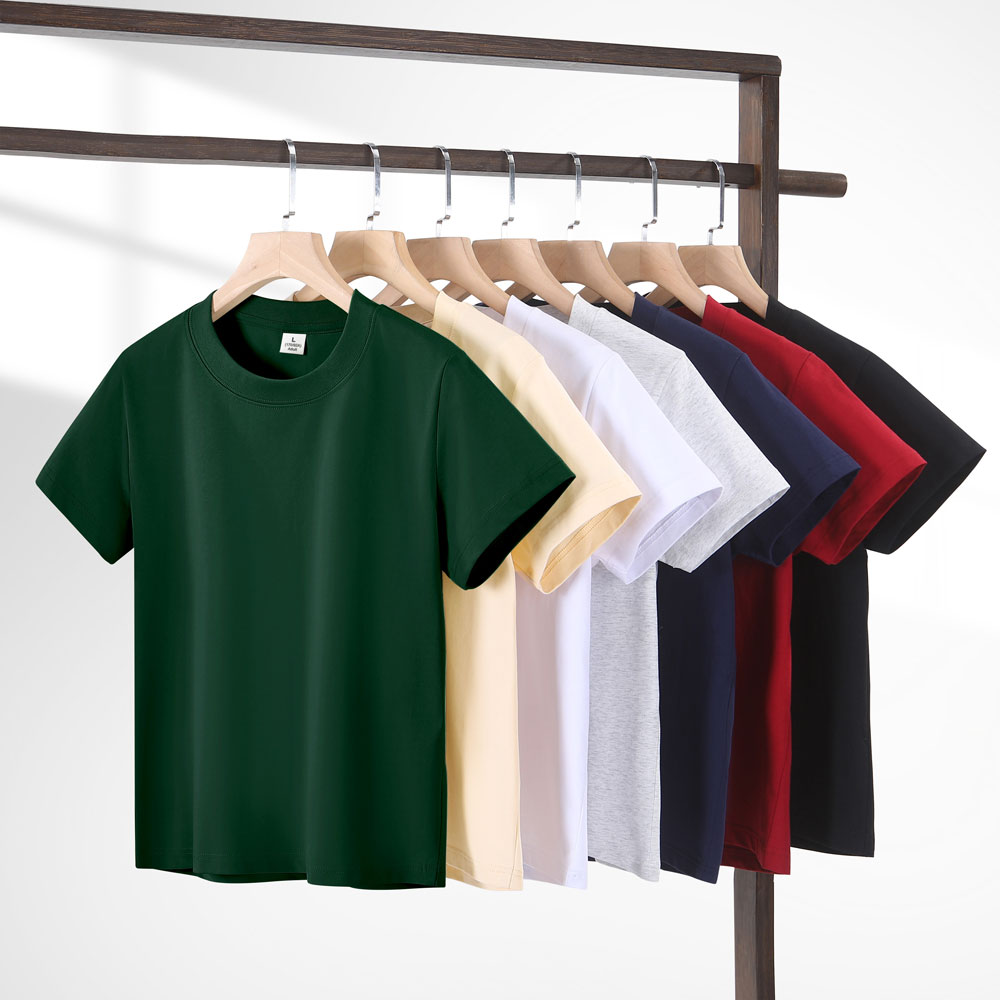
With a large group of in-house technical workers and a digital management system, major manufacturers have absolute control over production schedules. According to internal order tracking data statistics from the first quarter of 2026 from Yasenman, the average production delivery cycle for corporate customer customizations has been steadily shortened to 4.2 working days. Whether it's a temporary business reception with dozens of items or a large order covering tens of thousands of items for stores across the country, the factory can accurately lock in production line positions, ensuring that products are produced on schedule with quality and quantity guaranteed.
Dealing with emergency nodes in activities: How can enterprises shorten the production cycle while ensuring the quality of mass production?
When encountering emergency public relations activities or temporary administrative tasks due to force majeure, enterprises must learn to utilize the green expedited channel through standardized processes. Last year, a large state-owned enterprise temporarily added an important competition, urgently requiring the overall delivery of 1,100 high-standard uniforms within 3 days. If such a difficult and urgent order were handed over to a small workshop with chaotic processes, it would often result in collapse phenomena such as skewed embroidery and messy thread ends due to hasty rush work.
Faced with such urgent procurement, the factory will immediately initiate the flexible and rapid response special emergency plan. The design team completes pattern transformation and pattern adaptation within 2 hours, and the workshop utilizes the standing stock of Solona blended grey fabric to complete the sewing and sample confirmation of the first sample garment on the same day. Immediately afterwards, the dispatch center breaks down and distributes this batch of orders to multiple high-precision multi-head embroidery machines for synchronous operation. Since the neckline of the grey fabric has been reinforced and anti-curling processed in advance, there is no need for secondary adjustment in the subsequent steps, and the entire batch of garments is successfully packaged and shipped within 72 hours.
To safely shorten the production cycle, procurement personnel themselves must also do sufficient research and preparation:
- Prepare vector source files in advance:We prefer vector logos in AI, CDR, or high-definition PDF format to avoid designers spending most of their time retracing your images.
- The decision-making process must be streamlinedAssign a dedicated project leader to make the final decision on the design plan, and avoid having multiple leaders provide scattered and conflicting opinions in group chats.
- Size statistics pre-completionCollect the height and weight data of all employees in advance, rather than repeatedly adjusting the distribution ratio of each size after the sample garments are ready.
- Trust the mature and classic styleChoose a slightly loose business style that has undergone long-term iterative optimization by the manufacturer, to avoid requesting special tailoring and revisions for urgent orders.
Guide to Avoiding Pitfalls in Postponement: A Comprehensive Planning from Size Statistics to Half-Yearly Reordering
The fundamental cause of many customization delays is not slow processing in the workshop, but extensive after-sales rework triggered by errors in terminal size measurement. Many employees are unsure of their own clothing sizes and tend to guess the size of workwear based on the standards of ordinary fashion. According toDescription of knitted fabric on Baidu BaikeAnalysis: The beaded mesh structure possesses unique stretch and breathability properties due to its concave-convex texture, but the shrinkage control of different batches of raw materials is a great test of craftsmanship.
Previously, Yasenman customized 4,000 pieces of daily uniforms for employees for a nationally renowned chain bookstore brand, whose stores are widely distributed across dozens of cities nationwide. To completely eliminate the issue of employees having to keep their uniforms idle due to unsuitable sizes upon arrival, we sent a complete sample package of all sizes to the customer in advance. Employees tried on the uniforms at the store and then collected the data. Additionally, the collar area was made of washable and wear-resistant 5A-grade antibacterial double-bead fabric with high-density ribbed bonding technology, ensuring that these uniforms remained crisp and flat throughout months of wear and washing.
More crucial is the time cost control of subsequent order replenishment. Enterprises often face personnel changes such as new employee onboarding and branch expansion. If every additional order requires re-proofing and verification, it will greatly waste administrative effort. A responsible customization partner will permanently retain the order design files, film negatives, and embroidery pattern data for the customer. Yasenman has established a half-year original price reorder mechanism, which ensures that even if an additional 10 pieces are ordered, the color, fabric, style, and craftsmanship will be exactly the same as the bulk order from half a year ago, and customers can still enjoy a production scheduling time limit as fast as 3 days.
Guide for novice procurement implementation
Managing the production cycle for group uniforms is not complicated. For beginners, just remember one golden rule: set standards first, and then allow for margin. When preparing for daily activities, it is recommended to initiate the process 10 to 12 days in advance based on the actual date of vehicle use. On the first day, select the fabric and style. On the second day, complete the confirmation of drawings and send samples. Allow 3 to 5 days for workshop production scheduling and embroidery. Finally, reserve 2 days for logistics and delivery. As long as you choose a major brand with in-stock warehousing and self-owned factories, and strictly adhere to the sample confirmation nodes, you can easily avoid the risk of delays and deliver high-quality uniforms that satisfy both management and employees.
