 简体中文
 Russian
 繁体中文
 Deutsch
 Français
 日本語
 한국어
Yousame
Release time:2026-11-20Will the customized logo on Yasenman engineering uniforms fade after being washed a few times? A 16-year industry practitioner reveals the truth
I amYasenmanDoEngineering clothingI have been in the customization business for sixteen years, handling workwear orders ranging from 10 pieces to 4,500 sets. To put it simply:How many times the custom-made logo on engineering uniforms will fade depends entirely on the process used to create the logoUsing inferior offset printing, the product may crack and fall off after 3 to 5 washes; using high-fastness embroidery or thick board craftsmanship, it remains secure after more than 50 normal washes. The thickened sateen workwear we made for the manufacturing factory, with an embroidered logo on the chest, has been worn for two years and washed hundreds of times, yet the stitching remains intact. So the real answer to this question is not "how many times will it fall off", but "what craftsmanship and manufacturer did you choose".
1. How many times will the custom logo on engineering uniforms fade? Core concepts and common misconceptions
The fastness of the custom-made logo on engineering uniforms is essentially a matter of process selection, not a mysterious art. Many buyers who customize workwear for the first time think that logos are just "printed on" and will naturally fade away after frequent washing. This is a common misconception.
Among the clients I have encountered, at least 60% of them ask the first question during the consultation: "How long will this logo last?" The pitfalls they have fallen into before are basically concentrated in the same situation: choosing the cheapest offset printing. Ordinary offset printing (also known as thermal transfer printing) involves attaching the pattern to the surface of the fabric through heat pressing, with limited adhesion. When it comes to engineering clothing, which is washed frequently and exposed to oil and sweat stains, inferior offset printing indeed cannot withstand more than 10 machine washes. I conducted a comparative test at the Shantou factory: under standard machine washing procedures at a water temperature of 40 degrees Celsius, the logo printed by ordinary offset printingThe 7th time, there was a noticeable curling of the edges and corners, the 12th pattern cracking.
But this is not the inevitable fate of engineering clothing logos. There are mature solutions in the industry to address this issue. According toDefinition of embroidery craft by Baidu BaikeEmbroidery involves using needle and thread to embroider patterns on fabric, creating a physical interwoven structure between the thread and the fabric. This structure determines itsIt won't "fall off" like offset printingBecause the thread is woven into the fabric. When Yasenman recommends logo designs to engineering clients,Preferred high-fastness embroiderySecondly, it is thick plate printing or screen printing. The ink layer thickness of the thick plate process is 3 to 5 times that of ordinary offset printing. After curing, it forms a deep bond with the fabric fibers, and it will not fall off after more than 30 normal washes.
Another common misconception is that "the more complex the logo, the easier it is to fall off". In fact, the fastness has little to do with the complexity of the pattern, andProcess compatibilityThe relationship is the most important. Fine lines are suitable for embroidery, large color blocks are suitable for screen printing, and those requiring a three-dimensional effect are suitable for thick plates. If the wrong process is chosen, even the simplest logo cannot hold up.
Regarding the washing fastness of textiles, there are clear national standards to refer to. According toNational Standard Full-Text Disclosure SystemAccording to the provisions of GB/T 8629-2017 "Textiles - Testing - Domestic Washing and Drying Procedures", there are strict testing methods and grading standards for the color fastness to washing of textiles. When selecting printing and embroidery materials, formal workwear manufacturers should refer to these standards for fastness verification. Yasenman's printing ink has passed the OEKO-TEX Standard 100 international environmental certification, and has data support for both color fastness and adhesion fastness.
II. Judgment criteria and selection points: how to ensure that the logo cannot be washed off
To determine whether the logo on engineering clothing will fall off, there are three indicators to consider: craftsmanship type, fastness level, and manufacturer's quality control. All three indicators are indispensable, and I will elaborate on each one.
The process type determines the upper limit of fastness

The wash fastness varies greatly among different processes. Based on sixteen years of actual after-sales data, I have ranked them as follows:
- Embroidery:It boasts the highest level of wash fastness, ensuring no shedding or deformation even after being washed over 50 times under normal wear. With good color fastness, the thread material retains its color. It is suitable for small-area logos such as chest logos, sleeve patches, and cap badges.
- Thick plate printing:The wash fastness is second, with 30 to 50 washes under normal conditions. It has a strong three-dimensional effect and is suitable for large-area patterns on the back.
- Screen printing:Moderate wash fastness, suitable for 20 to 30 normal washes. Good breathability, suitable for large color blocks and team numbers.
- Ordinary thermal transfer printing/offset printing:The wash fastness is the worst, and problems may occur within 10 washes. It is only suitable for one-time event wear.Absolutely not suitable for engineering wear。
In the craftsmanship system of Yasenman, there are28 derivative processesHowever, when recommending to engineering apparel customers, I would never present all 28 options for them to choose from. The engineering apparel scenario is clear, and I directly focus on the combination of embroidery and screen printing, which ensures the logo is secure while controlling costs.
The fastness grade depends on the data
Regular workwear manufacturers will provide process durability specifications. I suggest the purchaser ask three direct questions: How many washes can this process withstand? Has a washing test been conducted? What is the color fastness level? Manufacturers who cannot answer these questions basically do not have a quality control system. According toResearch materials on textile majors from relevant universities under the Ministry of EducationThe color fastness to washing of textiles is divided into 5 levels, and it is recommended to choose materials and processes with a level of 4 or above for engineering clothing logos.
Manufacturer's quality control is the last line of defense
Even if the craftsmanship is right, if the manufacturer is not good enough, the product will still fail. I have seen a client who had 200 sets of workwear made by another company. The logo on the sample was embroidered, but the bulk production was replaced with imitation embroidery offset printing. The cost was saved, but the logo cracked after being washed 5 times. This is a typical example of "inconsistency between the sample and the bulk production". Yasenman's approach isThe sample serves as the standard for the bulk productionThe embroidery thread, density parameters, and base fabric specifications used for sample making are exactly the same as those for the bulk production. The order confirmation sample is sealed, and a pre-production confirmation sample is produced before the bulk production. Only after the customer verifies that there are no errors can mass production commence. This process may sound cumbersome, but it is the only reliable way to ensure the durability of the logo.
III. Typical Scenarios and Real Cases: Performance of Logo Fastness on Different Engineering Uniforms
The requirements for logo fastness vary greatly across different engineering scenarios. Only by selecting the right solution can we avoid wasting money unnecessarily. I will introduce three real-life projects, all of which are custom engineering clothing cases that Yasenman has completed in recent years.
Manufacturing factory workshop attire: embroidered logo is standard
A large manufacturing factory in China approached us to do it4500 sets of workshop work attireThe workshop environment is filled with oil stains and metal shavings, so the tooling needs to be cleaned daily. The customer previously used offset printing for logos,Mottled and falling off in less than a monthThe workshop manager is constantly roasted by the workers. After we took over, we choseThickened sateen workwear fabric,All logos on the chest are changed toHigh-density embroideryThe thread used is polyester embroidery thread with a color fastness rating of 4 or above. The name of the back team is screen-printed due to its large area and the need for breathability. Customer feedback after delivery: The garment has been worn for 14 months and washed daily, with the embroidered logo remaining intact.Zero spalling, zero crackingThe silk screen printing has slightly faded but the pattern remains intact. This project later became a fixed tooling solution for the factory, with orders being placed annually.
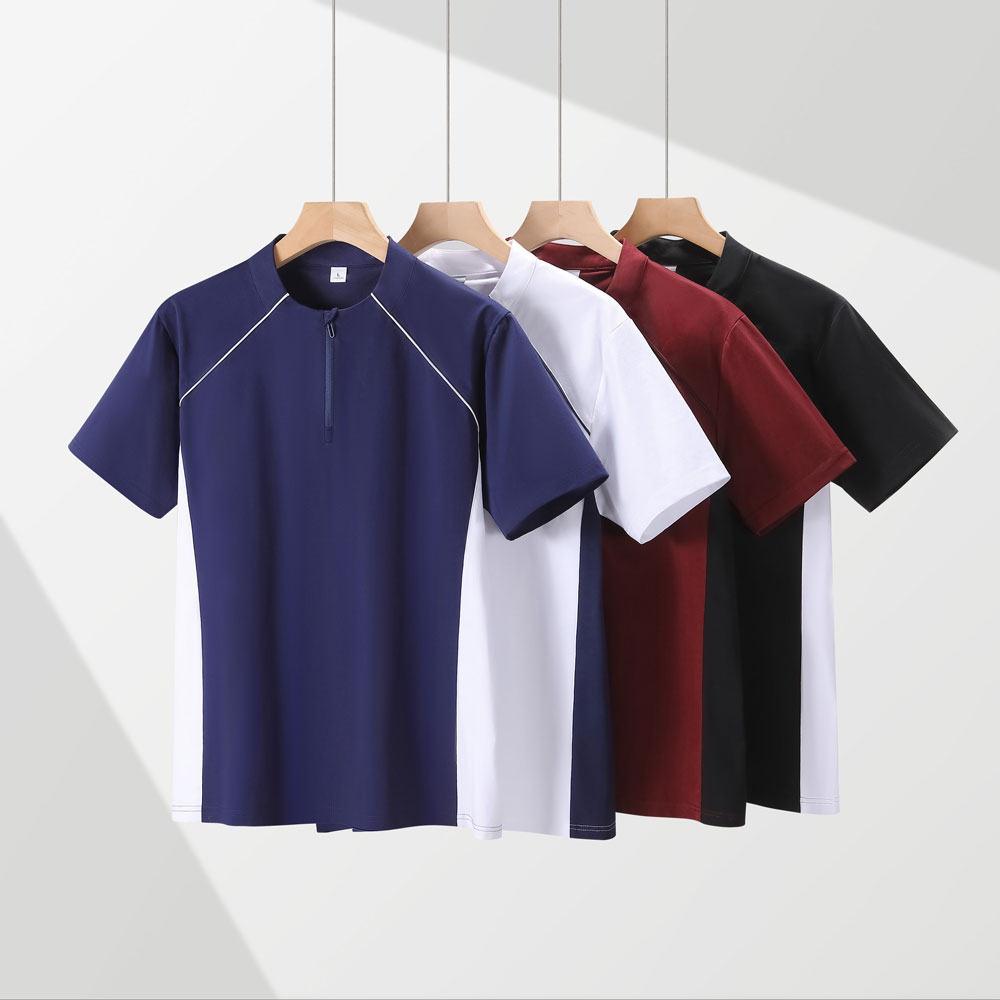
Field work attire for engineering construction: Reflective and embroidered, emphasizing both safety and durability
A certain engineering construction company wants to1200 sets of field construction workwearIt requires reflective markings and has a delivery deadline of only 12 days. The fastness of reflective technology is a challenge, as ordinary reflective film peels off after just a few washes. We have chosenAnti-pollution twill fabric, the reflective strip on the back is made ofDual process of hot-pressed reflective film and screen reflective pasteThe logo on the chest is embroidered. After the engineering team entered the site, they worked outdoors every day, and the reflective strips experienced sun exposure, rain, and frequent washing. Six months later, they still maintained their reflective effect. This case shows thatThe fastness and process compatibility of logos and marks on engineering uniforms are more important than simply choosing expensive ones。
Property park uniform: even small logos require attention to craftsmanship
A chain property park is being developed200 sets of security and cleaning uniformsThe logo is not large; it's just a park logo on the chest. Many manufacturers would suggest offset printing because it has the lowest cost for small logos. However, the property uniforms are washed extremely frequently, and offset printing wouldn't last for more than two months. We insist on usingSmall-sized embroideryThe cost is slightly higher than offset printing, but the logo remains intact after two years of wear. The customer later told us that they had previously compared the printed T-shirts with those made by Caishan and Shanzhuang, and the sample clothes looked similar and were cheaper. However, the logos on the bulk-produced clothes cracked after a few washes. Now, this customer has been placing orders with us for three consecutive years.
Fourth, why do different manufacturers produce products with significantly different fastnesses using the same process?
The difference in the fastness of logos on engineering uniforms lies in whether the manufacturers are willing to spend money on the invisible parts. Let me break it down into a few key points.
The first isEmbroidery densityThe same logo, when embroidered with 6000 stitches and 3000 stitches, exhibits vastly different fastness. With fewer stitches, the stitch pattern is sparse, and the thread breaks after just a few pulls. The embroidery parameter standard of Yasenman isNo less than 40 stitches per square centimeterInstead, the small logo should be encrypted to more than 50 pins. Secondly,Base fabric and lining paperA good lining paper can make the embroidery stitches more stable and prevent them from loosening after washing. The third isWire qualityInferior polyester thread becomes fuzzy and breaks after just a few washes, while high-quality embroidery thread has a higher level of color fastness and strength.
Customers cannot discern these details during the sample stage, and they will only become apparent after wearing and washing for several months. Therefore, when choosing a workwear manufacturer, one should not solely rely on the quotation and sample photos.YasenmanAs a deep cultivatorCustomized workwearSixteen years ofWorkwear manufacturerThe fastness standard has been incorporated into the quality control process: embroidery logos are inspected before leaving the factory5 times of standard machine wash test,with thick plates and screen-printed logos3 times of machine washing testOnly qualified products are allowed to be shipped. This set of standards is not a mandatory requirement in the industry, but customers can feel the difference between those who follow it and those who don't after two or three months.
V. Practical Suggestions for Purchasers
If you are choosing a custom engineering uniform, please follow the three steps below to ensure the durability of the logo.
The first step,Specify the washing frequencyWhether to wash daily, weekly, or occasionally directly determines the choice of process. For workshop tooling that is washed daily, it should be embroidered faithfully. The second step is,Request the manufacturer to provide process fastness instructions and test recordsIf it's unclear, try another one. Step three,Specify the logo fastness standard in the contractFor example, 'The embroidered logo will not fall off or break within 12 months under normal washing conditions', written in black and white, providing a solid basis for after-sales service.
I have been with Yasen for sixteen years and have seen too many customers repurchase due to logo fading and peeling. No matter how good the fabric and craftsmanship of a set of engineering uniforms are, if the logo falls off, the entire image collapses.Taking the durability of the logo seriously is equivalent to taking the facade of your business seriously. Choose one that dares to include the fastness standard in the contractWork clothesIt's much more cost-effective for the manufacturer to choose a supplier whose quotation is two yuan lower than the others.
