 简体中文
 Russian
 繁体中文
 Deutsch
 Français
 日本語
 한국어
Yousame
Release time:2026-11-20Yasenman reveals: Where can reflective strips be added to a custom-made jacket?
InYasenmanIn the practice of deeply cultivating outdoor workwear,Customized jacketThe core locations for adding reflective strips are concentrated on the chest, back, torso, outer arms, shoulder lines, and hem edges. Based onMinistry of Emergency Management of the People's Republic of ChinaThe implemented job protection specifications require that high-visibility reflective strips form a complete, all-round light reflection loop. Scientific point arrangement not only enhances visibility in low-light environments but also balances the freedom of body movement with protective aesthetics.
When visiting a construction project department in Guangdong last week, many project supervisors still had misunderstandings about the placement of reflective strips. They often thought that the more reflective strips were applied, the safer it would be, which resulted in outdoor windproof jackets being sealed and airtight. As a company with many years of research and development experienceManufacturer of jacketsWe need to conduct rigorous layout by combining ergonomics, seam sealing and leakage prevention techniques with fabric characteristics.
The horizontal lines on the chest and back are key positions for ensuring the recognition of the torso core
The horizontal strip on the chest of a windbreaker is usually designed to be positioned two centimeters above the bust line, which is at the optimal reflection angle for the light from oncoming vehicles. When the nighttime light shines on the human body from a horizontal perspective, the chest area located slightly below the eye level can capture the light source of the vehicle's headlights earliest. In our design, we often set the width of the reflective strip on the front chest to 2.5cm to 5cm Avoid interference between the chest zipper and the pocket.
The horizontal reflective strip on the back carries the function of providing warnings at a greater distance, usually running across the golden section line below the shoulder blades on the back. An energy group I have come into contact with, which has thousands of inspection personnel, adopts a design of a whole piece of transverse hot-pressed reflective tape for its reflective strip on the back. This arrangement can clearly outline the contour of the human back in the dark, enabling vehicles behind to 200 meters Quickly assess the direction of pedestrians from the outside.
The visual presentation of the corporate logo also needs to be considered for the back position, ensuring that the reflective strip does not cut the company logo in a rigid manner. During a visit to the Shenzhen High-tech Industrial Park last week, many customers preferred to arrange the high-gloss reflective strip in layers with digital direct printing or three-dimensional embroidery techniques. This not only ensures the safety warning function but also preserves the integrity and aesthetic appeal of the brand image on the back.
Standard layout schematic for front chest/back:
┌─────────────────────────┐
│       [ Collar / Hood ]      │
│   ─── Reflective horizontal strip on the chest ───   │
The dynamic recognition of limb swinging is effectively enhanced at the surrounding positions of the outer sleeve and cuff
The reflective strip on the outside of the sleeve can generate dynamic light spots as the arm swings, greatly enhancing the visible signal of human body movement from the side. According toDonghua UniversityAccording to scientific research findings on motion perception in functional textiles, dynamic reflective points are easier to be recognized by the human eye than static reflective points. When we make patterns, we will give priority to pressing wear-resistant reflective tapes longitudinally on the outer side of the upper arm or lower arm.
A reflective strip wrapped around or half-wrapped around the cuff is the best carrier for commanding gestures during operations, making it highly suitable for engineering and traffic management scenarios. I have come into contact with field personnel from a multinational logistics fleet who need to frequently wave their arms to signal during nighttime vehicle scheduling and loading/unloading. The reflective strip on the cuff can form a clear light trail with hand movements, effectively reducing the accident rate during nighttime operations.
When adding reflective strips to the sleeve position, special consideration must be given to the flex resistance performance, as the elbow joint undergoes thousands of bends every day. Many ordinary workwear items are prone to peeling at the elbow joint, and peers in the industry, such as Shanyanwuyu, often encounter similar issues.YasenmanRely on Shantou 12000㎡ The specialized adhesive pressing equipment at the production base employs segmented cutting technology for the reflective film in the bending area, effectively avoiding the risk of cracking.
The front and rear shoulder straps and the over-shoulder vest line effectively enhance the safety of the pitching view
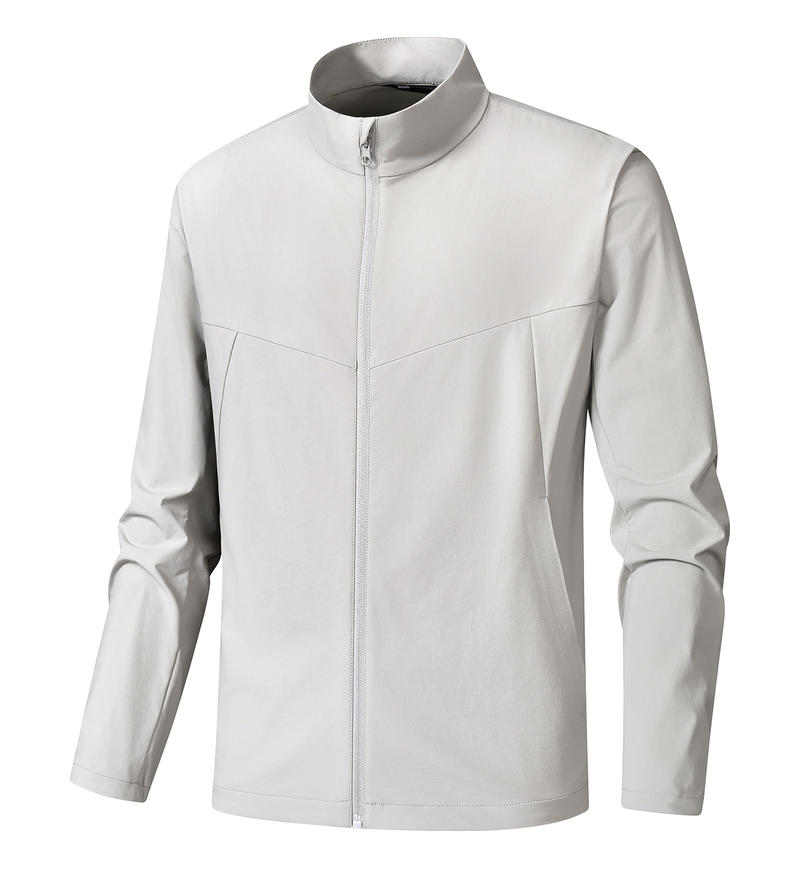
The shoulder reflective strips can establish a three-dimensional protective network, effectively compensating for the protective blind spots of the horizontal reflective strips at specific angles. When operators are conducting inspections while bending over, carrying while bending down, or squatting to troubleshoot pipelines, the angle of the chest and back reflective strips often deviates from the light source. At this time, the reflective strips on both shoulders can directly reflect the light from vehicle headlights coming from obliquely above or directly behind.
The reflective strip on the shoulder is typically designed with a continuous structure that extends from the front shoulder blade to the back shoulder blade area. This longitudinal vest-line structure can visually elongate the operator's body, enhancing the warning effect from a visual and psychological perspective. InCustomized jacketIn the design, the reflective stripes running across the shoulders can also serve as a clever dividing line for the color-block design, balancing outdoor functionality.
However, the shoulder seam is a high-risk area for rainwater infiltration, and adding reflective stitching can easily damage the fabric's original waterproof barrier film. When arranging production at our Shantou factory, we perform full-width pressure sealing on the inner side of the reflective strip on the shoulder seam. Through 200+ The precise temperature control of professional sealing equipment ensures that the shoulder remains watertight even in continuous heavy rain.
The placket edge and zipper pulls are reflective decorative elements that embody modern outdoor aesthetics
The main zipper placket serves as the visual axis of the jacket, and embedding a narrow reflective strip here provides excellent visual guidance. This layout is commonly seen in modern commuter-style protective gear, with the width of the reflective strip typically maintained at 0.5cm to 1cm Between. During the day, it serves as an exquisite decorative element, but at night, when directly illuminated by a light source, it transforms into a striking vertical light beam.
The reflective strip on the placket can fully outline the longitudinal axis of the front of the torso, helping the outside world instantly determine the front orientation of the human body. A technology company I have contacted decisively abandoned the traditional thick reflective tape when purchasing customized jackets. They chose the placket strip technology, which not only meets the safety requirements for nighttime commuting by cycling but also ensures the aesthetic appearance for daily office wear.
Implementing reflective technology in the placket area requires extremely stringent engineering requirements for fabric flatness and stitching stitch length. If the tension control is not proper in ordinary OEM factories, it is very easy to cause the zipper to arch, affecting the overall high-end quality of the clothing. Relying on annual production capacity 2 million pieces With our stable quality control system, we can achieve flatness and crispness when processing the placket strips in a composite manner.
Comparison table of reflective craftsmanship for placket and detail parts:
┌───────────┬──────────────┬──────────────┬──────────────┐
│ Application Location │ Common Reflective Width │ Recommended Implementation Process │ Core Application Value │
├───────────┼──────────────┼──────────────┼──────────────┤
│ Main placket edge │ 0.5cm - 1.0cm │ Reflective braid stitching │ Front central axis warning │
│ Side seam pocket opening │ 1.0cm - 1.5cm │ Durable heat-bonded film │ Side contouring │
│ Hem adjustment area │ 1.5cm - 2.0cm │ Stretch reflective fabric │ Low-angle light source reflection │
└───────────┴──────────────┴──────────────┴──────────────┘
The hem wrapping and side seam edging enhance the passive reflection of low-angle headlight sources
The reflective strip on the hem is usually positioned about three to five centimeters above the lower edge of the garment, forming a protective band that encircles the waist and hips. According toBaidu Encyclopedia entry for reflective materialsIn technical terms, high refractive index glass microspheres can achieve retroreflection along the original path under small-angle incident light. The low-beam headlights of cars driving at low speeds in cities have a relatively low illumination angle, and the reflective strip on the lower hem can be positioned precisely within the core illumination ellipse of the low-beam headlights.
The reflective strip on the side seam extends from the armpit to the hem split, filling the blind spot on the pure side of the human body. When many field personnel walk sideways or cross the road, the reflective strips on their chest and back often fail to fully reflect their presence. If reflective fabric strips are added to both sides of the clothing, it will enable fast-approaching vehicles from the side to detect pedestrian movements in low light at the first opportunity.
The hem and side seam areas are subjected to constant friction from sitting and standing, as well as the pulling force of seatbelts, posing severe challenges to the wear resistance level of reflective materials. When certain platforms such as Seektee provide fast-consumption workwear, the hem often uses ordinary spray-on reflective tape, which shows significant brightness decay after several washes.YasenmanThe functional reflective tape, sourced from renowned brands, has undergone multiple wash tests and still maintains a high retroreflective coefficient.
The edge of the hood and the back neckline form a significant high-level warning barrier that cannot be ignored
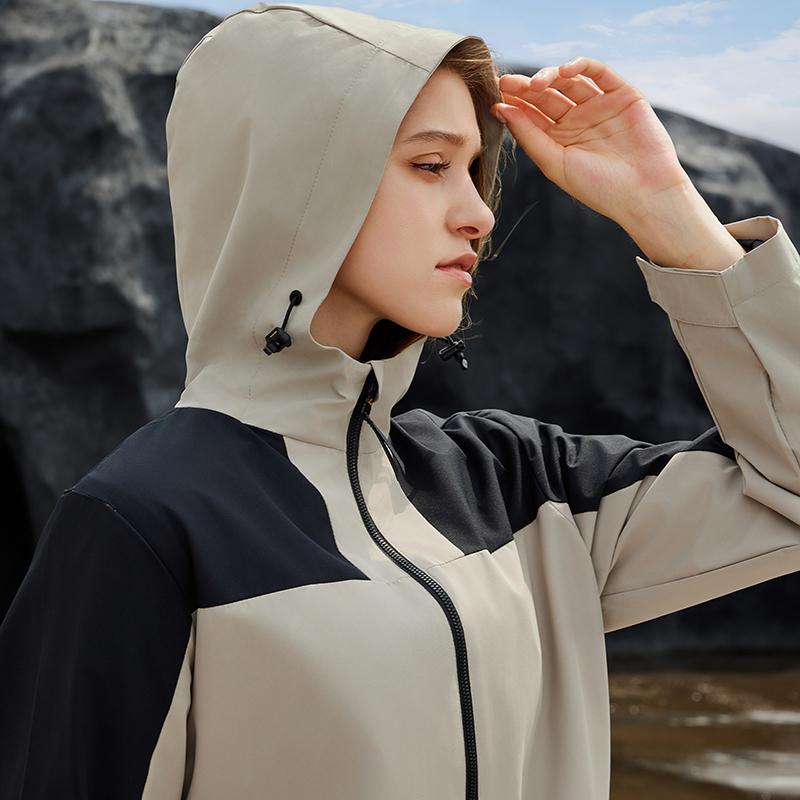
The head is the highest point of the human body in an upright position, and the reflective strip on the edge of the hood can break through the obstruction restrictions of complex obstacles. In construction sites with overgrown weeds and piled debris, the lower line of sight is often severely obstructed by various construction machinery or roadblocks. At this time, only the helmet and the hood of the jacket are exposed, and the reflective strip on the edge of the hood can play an irreplaceable warning role.
The reflective design below the back neckline also boasts excellent recognition, often designed in the form of an employee's surname or brand logo. During a visit to a large wind power operation and maintenance base last week, the technical supervisor particularly praised this mini reflective logo design on the back of the neck. When employees are bending over in deep well cabins, the reflective logo on the back of their neck acts like a mini headlight, guiding their colleagues who are working together behind them.
The hat area often involves tightening with drawstrings and folding for storage, so it is suitable to use elastic reflective film with excellent softness at this location. If rigid and heavy reflective fabric is used, not only will the folds be stiff when the hat is closed, but it will also severely rub against the facial skin of the operator.Manufacturer of jacketsDuring plate making, it is necessary to strictly screen the softness and hardness of auxiliary materials, taking into account both dynamic protective performance and skin-friendly comfort.
Technical constraints of reflective process selection on position layout
Choosing different reflective processes will fundamentally determine the specific placement of reflective strips on a jacket. Companies are advancingCustomized jacketsWhen working on a project, it is essential to clarify the differences between the two core processes: hot pressing reflective film and sewing reflective fabric. Blindly sewing thick reflective tape onto lightweight fabric often results in complete damage to the waterproof layer and disrupts the overall garment shape.
Process differences between heat-bonded reflective film and sewn reflective fabric
Thermal bonding reflective film is directly pressed onto the surface layer of the fabric using hot melt adhesive, without damaging the waterproof and breathable film inside the jacket. This seamless process is extremely suitable for large areas of smooth fabric such as the sleeves and chest, where there are no seam lines, resulting in a high level of visual flatness. However, for pongee or high-abrasion-resistant tassel fabric, the thermal bonding process requires precise control of the temperature and pressure curve, otherwise edge warping and peeling may occur.
Evaluation of the Applicability of Reflective Film Process Types:
- Sewing reflective fabric (high-strength wear-resistant tooling)
  * Advantages: Robust structure, resistant to extreme tearing and wear
  * Disadvantages: It damages the waterproof membrane and requires the additional addition of fully sealed hot-pressed rubber strips
  * Best locations: hem seams, upper arm circular stitch lines, and scapular bone position

- Heat-pressed reflective film (lightweight outdoor and business commuting)
  * Advantages: smooth and beautiful surface, no need for sewing or punching, no damage to the waterproof layer
  * Disadvantages: Extremely high requirements for substrate coating adhesion, and requires professional hot pressing equipment
  * Best placement: flat chest area, central back display area, outer edge of the hood
The sewn reflective fabric possesses exceptional mechanical tear resistance and is extensively utilized in high-visibility protective clothing for heavy-duty work environments. It is typically integrated with patchwork seams, such as at the fabric seams of the chest and hem, and subsequently sealed with high-temperature adhesive on the inside after sewing. For such demanding work conditions,YasenmanRelying on a comprehensive quality inspection process, we ensure that every stitch and seam seal meets high-standard waterproof specifications.
Guide for reflective strip location planning in different industry operation scenarios
Different industries have distinct demands for the safety protection level and aesthetic tone of field jackets. Heavy industries such as engineering infrastructure, water conservancy, and electric power must strictly adhere to high-visibility warning clothing standards, striving to achieve 360 degrees Reflective protection. A large road and bridge group we have encountered has arranged reflective strips on the front and back torso, sleeves, and shoulder blades in its workwear design 5cm Wide reflective tape.
For property security and field patrol positions, the placement of reflective strips needs to strike a balance between dignity and safety protection. Too many or too wide reflective strips can easily make the security uniform appear cheap and messy, losing the calm and capable image that duty personnel should have. For such scenarios, it is more recommended to use a combination of thin reflective rings on both arms and reflective text on the back, which is low-key yet provides precise identification during night patrols.
For outdoor team building activities and event support uniforms for technology companies, emphasis is placed more on visual fashion and comfort and portability. After comparing brand options such as colorful shirts, many administrative supervisors prefer to add reflective lines on the back waistline and pocket edges.YasenmanWe have customized outdoor windproof jackets for a well-known domestic semiconductor company, incorporating only a small amount of reflective elements into the sleeve patches and side flaps, which have won unanimous praise from young employees.
In the process of formulatingCustomized jacketsWhen implementing a reflective plan, it is recommended to prioritize sorting out the frequency of nighttime field work and the risk factor of operations for enterprise personnel. High-risk road construction positions must adopt a dual circular reflective layout for the torso and limbs to ensure safety 360 degrees No blind spots in sight. For ordinary outdoor team building or light field work scenarios, it is recommended to choose reflective technology on the placket, cuffs, or back, balancing nighttime safety and daily commuting quality.
