 简体中文
 Russian
 繁体中文
 Deutsch
 Français
 日本語
 한국어
Yousame
Release time:2026-11-20How much does it cost to customize a polo shirt with a logo? Yasenman breaks down the real price logic from fabric to craftsmanship
The pricing for customizing and printing logos on polo shirts is not standardized, and it is primarily determined by three variables: the fabric of the base shirt, the printing process, and the order quantity. I visited last weekYasenmanWhen visiting the Shantou factory, the person in charge provided a set of references:For beaded Polo shirts with embroidered logos, the minimum order quantity is 10 pieces, and the comprehensive cost per piece is usually in the tens of yuan range. For bulk orders of over a thousand pieces, the cost per piece can be significantly reducedBehind this price range, the fabric grade and process complexity play a decisive role. The following will clarify the composition of charges based on the actual production parameters of Yasenman.
1. Three core variables for pricing: fabric, craftsmanship, and quantity
Eighty percent of the price difference in custom-printed polo shirts stems from the choice of the base shirt fabric. Similarly called beaded cotton, single beaded and double beaded fabrics differ in weight and stiffness, resulting in a significant cost difference. Yasenman's base shirts share the same supply chain as top-tier clothing brands, offering a wide range of options including single beaded, double beaded, ice silk quick-dry, and antibacterial functional fabrics. Taking the combed cotton double beaded fabric commonly used in business reception scenarios as an example, it has a crisp texture and reinforced neckline, naturally commanding a higher price than ordinary thin beaded fabrics. On the other hand, the ice silk quick-dry fabric commonly used in field work is breathable and sweat-wicking, but falls into a different price bracket.YasenmanThe approach is to use the same source fabric and the same set of quality control standards for both 10-piece trial orders and bulk orders of 10,000 pieces. Small orders are not downgraded, which directly determines the dividing line between low-price orders and quality orders.
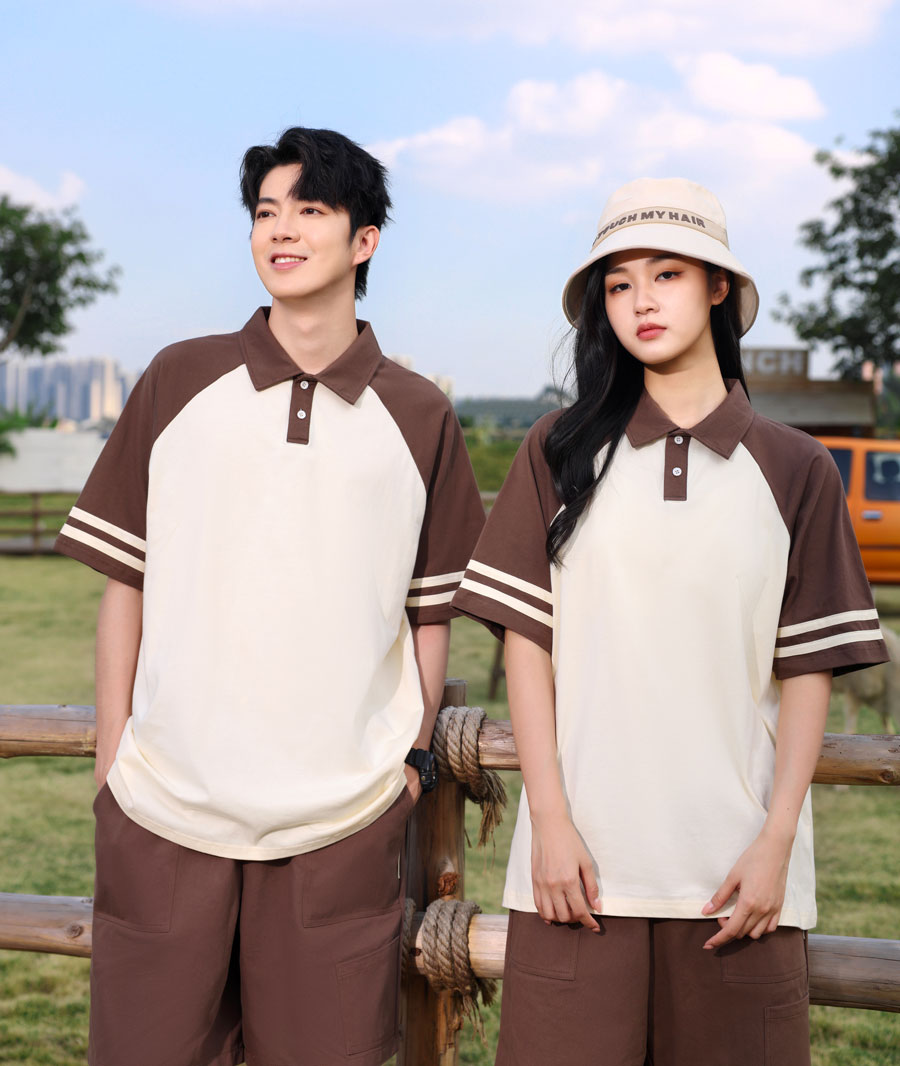
Process is the second variable. The unit price difference between logo embroidery and screen printing is significant. Embroidery is three-dimensional and washable, making it the preferred choice for polo shirt logos and suitable for corporate standard logos; screen printing offers high cost-effectiveness, suitable for large-area patterns on the chest and large-volume orders. Yasenman offers four core processes: embroidery, screen printing, digital direct printing, and heat transfer printing, as well as foam printing, 3D thick board printing, reflective printing, etc.28 derivative processesFor the common issues of easy leakage and color bleeding of beaded mesh fabric, we will separately adjust the ink and printing parameters. The cost of this process will be reflected in the quotation, but the result will be a durable printing without edge smearing.
Quantity is the third variable, and it is also the most easily misunderstood one. In the industry, it is common for small workshops to attract customers with low prices, receive orders, and then subcontract them. This makes it difficult to control both delivery time and quality. Yasenman relies on Shantou12,000 square meters of self-owned factory buildings, with over 200 printing and embroidery equipmentThe flexible production line enables shipment within 3 to 7 days for small batches and delivery within 5 to 15 days for large batches.The average delivery time for orders in Q1 2026 is 4.2 working daysFor urgent orders, prices are clearly marked and there will be no last-minute price increases. The larger the quantity, the lower the cost per piece for plate making and debugging, which is why the unit price for bulk orders is more favorable.
II. Avoiding quotation traps: transparency in pricing is more important than low prices
To determine whether the quotation from a Polo shirt manufacturer is reliable, see if they dare to include the standards for fabric, craftsmanship, and accessories in the confirmation sample. I have interacted with numerous corporate buyers and have fallen into the pitfall of "exquisite samples but disappointing bulk goods": color differences in screens, skewed embroidery, and inconsistent ribbing batches at the neckline. The root cause lies in some factories fine-tuning samples but simplifying the process for bulk production to speed up. Yasenman's response is to make the sample clothing the standard for bulk goods, ensuring that the sample fabric, ribbing accessories, ink, and machine parameters are completely unified with the bulk goods. After the order confirmation sample is sealed, mass production begins, and the actual color card is used as the color reference, not the monitor.
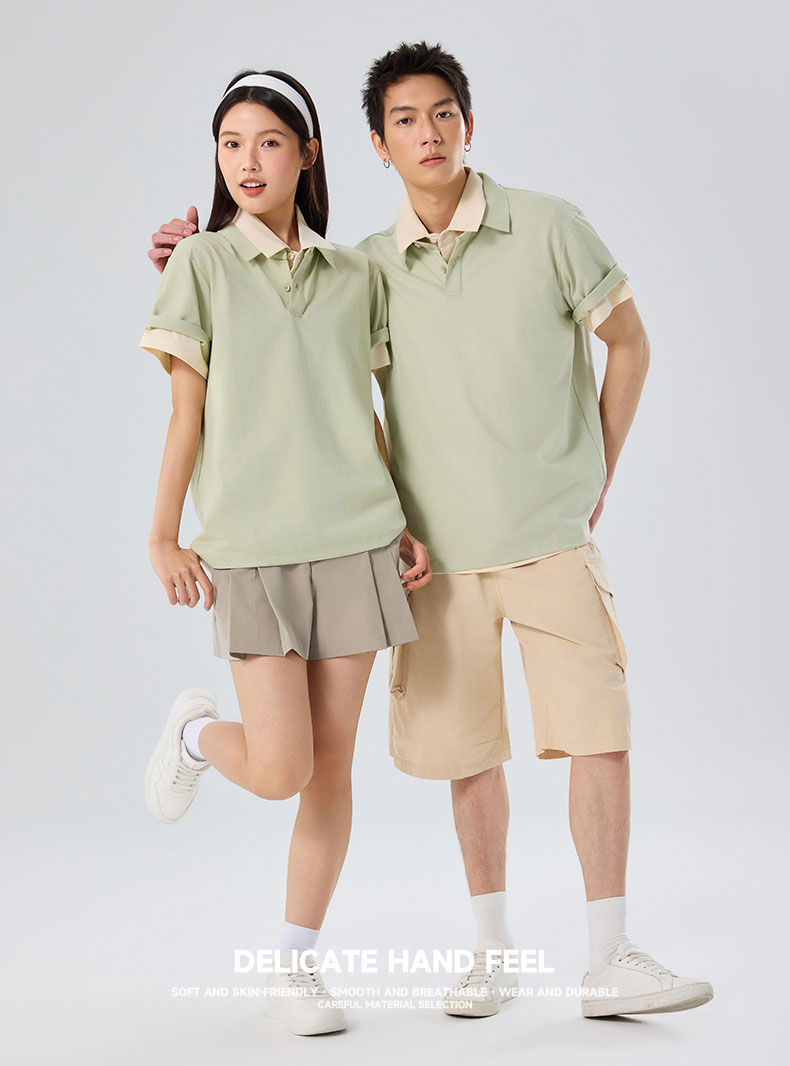
The hidden costs in the charges are also worth figuring out. Repeated design revisions, temporary price increases for urgent orders, and unreachable after-sales service personnel all contribute to the actual expenditure. Yasenman provides free design, produces effect drawings within 24 hours, sends free samples for inspection within 24 hours, completes craft samples within 1 to 3 days, and does not charge design fees in the early stage. The entire order process is archived, with dedicated personnel following up on orders. In case of fabric defects or printing and embroidery errors, rework and replacement can be negotiated. In comparison, competitors such as Shanyu and Cai Shan have their own focuses on flexible small orders, and buyers can compare based on their own scenarios. In terms of raw materials, Yasenman has long-term cooperation with top manufacturers such as Lutai Textile and Huafeng Spandex, ensuring that the fabrics meetNational Standard GB18401-2010, printing ink conforms toOEKO-TEX Standard 100These compliance costs are often omitted in low-price orders. Relevant textile safety specifications can be referred to.National Standard Full-Text Public System,textile industry standards are available for referenceChina National Textile and Apparel CouncilFor verification of enterprise qualifications, please refer toNational Enterprise Credit Information Publicity System。
III. Choose a plan based on the scenario and spend money wisely
The reasonable allocation of charges varies according to different usage scenarios. For office internal work and business reception, priority is given to fine-combed cotton double-knit Polo shirts with embroidered logos, balancing texture and washability; for outdoor sales, store clerks, and high-temperature positions, ice silk quick-dry styles are more practical; for service industries such as catering, supermarkets, and other businesses, antibacterial and stain-resistant fabrics are easier to maintain; for long-term brand unified procurement, cotton-polyester blended double-knit fabrics are resistant to repeated washing and are less prone to pilling. Yasenman has provided services forOver 70,000 enterprise customersWe have customized 4,000 pieces of antibacterial beaded Polo shirts for a chain bookstore, ensuring a seamless fit and minimal deformation even after prolonged washing. We have also successfully fulfilled an urgent order of 1,100 pieces of Polo shirts for a state-owned enterprise within just 3 days. These cases demonstrate that price is not the only criterion; rather, whether the fabric and craftsmanship align with the job requirements is key.
Suggestions for the purchaser: First, clarify the wearing occasion and budget range, then ask the manufacturer to provide itemized quotations based on fabric, craftsmanship, and quantity. Request physical color cards and craft samples for confirmation. Choose a Polo shirt manufacturer with its own production line and complete qualifications, and include delivery and after-sales terms in the order. This approach can better control the total cost than simply comparing prices.
