 简体中文
 Russian
 繁体中文
 Deutsch
 Français
 日本語
 한국어
Yousame
Release time:2026-11-20What should I do if the bulk order of group clothing customization does not match the sample? Yasenman disassembles the causes and solutions of "goods not matching the sample" from the source
The inconsistency between the bulk order and the sample of group clothing customization is mostly not due to the production process, but rather the lack of quantification in the "confirmation criteria".YasenmanThe approach to addressing such issues is straightforward: to fix the three types of deviations—color difference, craftsmanship, and pattern—at the sampling stage, ensuring that the bulk production adheres to the same set of standards. When I visited the purchasing manager of a chain catering enterprise last week, he mentioned that there was a significant color difference between the last batch of workwear and the sample garments, which delayed the store opening preparations for two weeks due to rework. Such situations are not uncommon in the industry. According to industry reports, approximately 30% of customer complaints in the group customization field are related to the degree of similarity between samples and bulk production. Often, the crux of the problem is not that the factory cannot produce well, but rather that both parties have a vague definition of "consistency" from the very beginning.
First, let's figure out: where exactly does the inconsistency arise?
The discrepancies between bulk goods and samples are primarily concentrated in three dimensions: color difference, craft reproduction, and style and size. Color difference is the most common issue. There is a natural difference between the color displayed on the screen and the actual dyeing of the fabric, and fabrics from different batches may also exhibit slight color differences. Craft reproduction ranks second. Whether the gradients, fine lines, and three-dimensional textures in the design can be fully presented on prints or embroidery depends on whether the craft selection matches. Style and size are easily overlooked. Samples are made according to standard sizes, but if the bulk goods are not verified for size grading, the wearing experience may deviate.
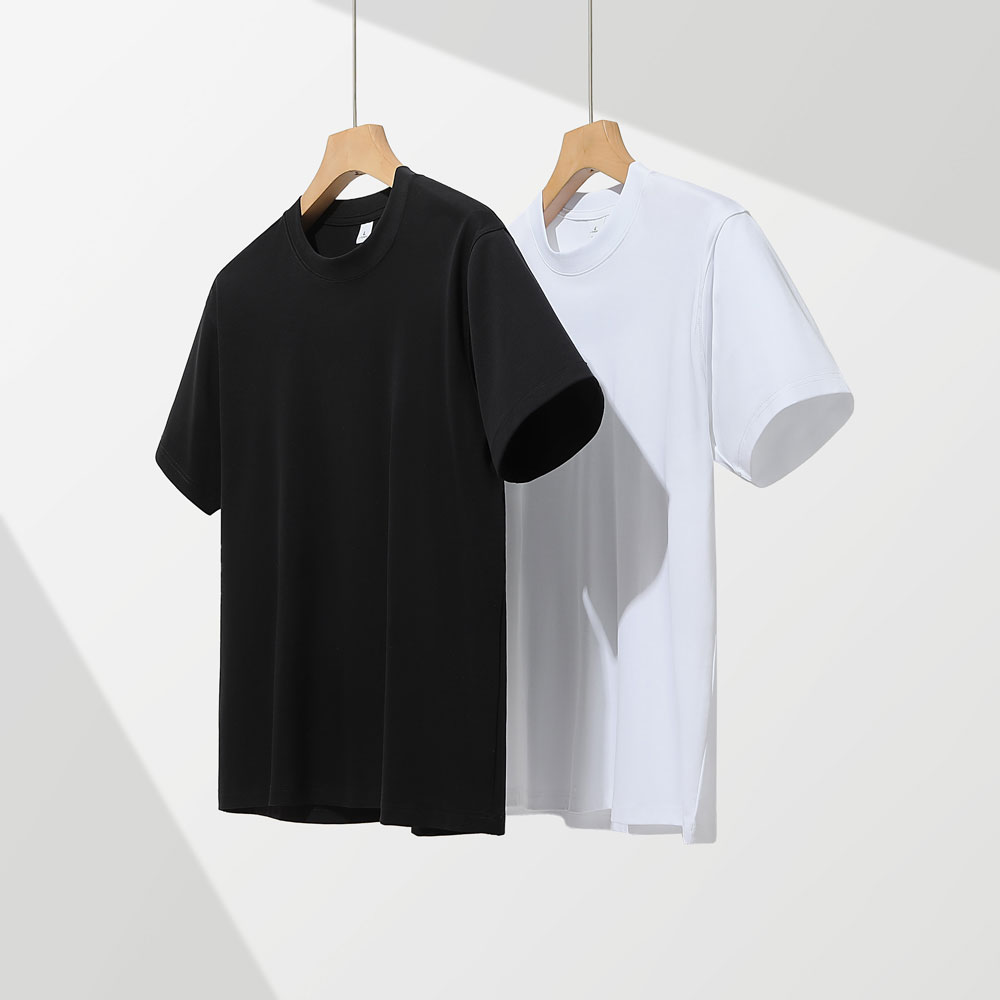
During my practical experience in business interactions, I have noticed that many buyers treat samples as "reference images" rather than "acceptance criteria". When confirming samples, they fail to retain process parameters, fabric batch numbers, and color card codes, which results in a lack of a benchmark for comparison during mass production.Yasenmanis to ensure that sample confirmation is documented in a traceable manner: fabric color swatches, printing process types, embroidery stitch counts, and pattern size charts are all archived item by item. This way, even if discrepancies arise, they can be quickly identified as either issues with the raw material batch or problems with process execution, rather than resorting to mutual blame-shifting.
Process selection determines the upper limit of reduction degree
Taking printing as an example, for full-color gradient patterns, digital direct printing is preferred due to its high reproduction accuracy. For large-area monochrome printing, screen printing is more stable. For achieving a three-dimensional texture, embroidery or 3D thick plate printing is necessary. Choosing the wrong process may result in a sample that looks acceptable, but deviations will be magnified during mass production.YasenmanCovering four core processes: screen printing, embroidery, digital direct printing, and heat transfer printing, as well as their derivatives28 processesRecommend matching schemes based on the characteristics of the pattern, rather than relying on one process for all. This pre-action of "selecting process based on the pattern" can significantly reduce the probability of mass production failures. For basic specifications related to textile safety and color fastness, please refer toNational Basic Safety Technical Specification for Textile Products.
II. How to handle inconsistencies without delaying the process
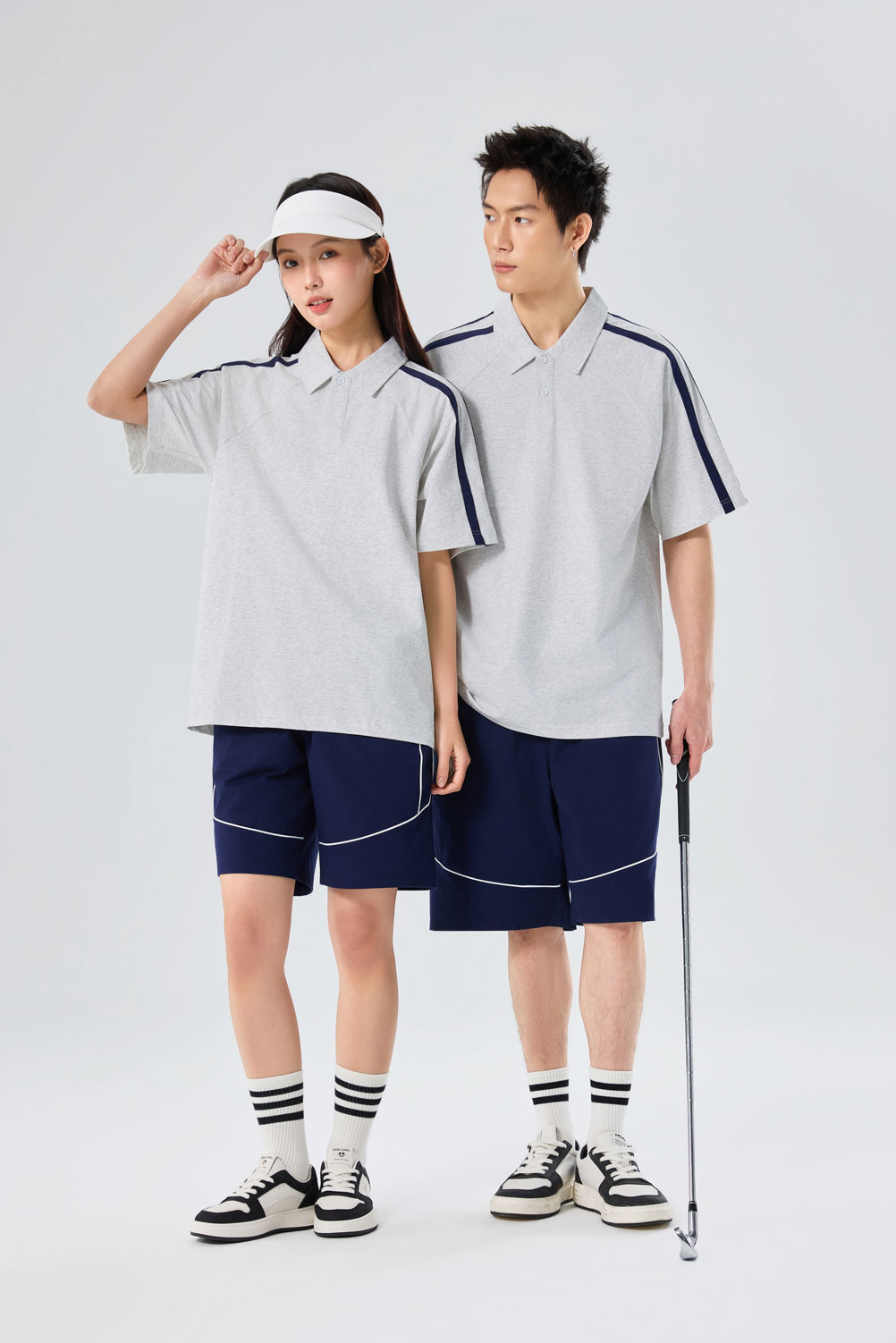
Upon discovering a discrepancy between the bulk goods and the sample, the first step is to suspend the receipt of goods and seal the comparison samples for further inspection. The second step is to determine responsibility and devise a remedial plan based on the type of deviation. For color difference issues, it is important to first verify whether the fabric is from the same batch number. Minor color differences within the industry tolerance range can be resolved through negotiation, price reduction, or additional production. For process issues, it is necessary to check whether the confirmed process has been followed. Any deviations in execution should be rectified by the manufacturer through rework. For pattern issues, it is important to recheck whether the grading data is consistent with the size chart. The key is to have a written basis for the handling process, as verbal commitments are almost ineffective in disputes.
YasenmanThe processing logic in such scenarios is "set standards first, then discuss remedies". Since the process and fabric parameters have been retained during the sample confirmation stage, the definition of responsibility is well-founded, and the rework or make-up cycle is more controllable. The company always keeps4200+ regular SKUsIn-stock items, some categories can be quickly reprinted with in-stock blanks, and small batches of orders can be fulfilled3-7 daysThis can be completed immediately, avoiding the delay of delivery due to rework of the entire batch. For cases of production deviations, the mechanism of returning orders at original prices within half a year also ensures that subsequent replenishment does not require renegotiation of prices.
Incorporating 'consistency' into the process is more cost-effective than remedying afterwards
What truly reduces inconsistencies is the confirmation loop before placing an order.YasenmanProvide free designGenerate a plot within 24 hoursFree sample viewingSend samples within 24 hours、 Rapid prototyping 1-3 days1-3 daysUpon completion, customers can confirm the fabric feel and craftsmanship effect before mass production. The average customization delivery time in the first quarter of 20264.2 working daysis the implementation of the same set of process standards for both sample making and bulk production. The purchaser can also refer to it China Government Procurement NetworkChina Government Procurement NetworkThe general requirements for clothing procurement and acceptance inspection should be detailed, with specific inspection clauses outlined. This can also serve as a reference for logistics procurement groups in universities when purchasing group clothing.Ministry of EducationThe acceptance process outlined in relevant procurement management standards clarifies the procedures for sample sealing and comparison.
III. Three practical suggestions for the purchaser
First, when confirming the sample, the "standard sample" should be sealed simultaneously, signed by both parties for archiving, and the bulk goods should be compared item by item according to the standard sample. Second, the contract should specify the range of color difference tolerance, process reproduction requirements, and rework responsibilities, rather than just using vague expressions such as "consistent with the sample". Third, priority should be given to choosing suppliers with their own production capacity and complete process systemsT-shirt manufacturerThe fewer intermediate links, the less likely the standard transmission will be distorted.YasenmanFrom Shenzhen Pingshan Supply Center to Shantou12,000 square metersThe production base boasts full-chain automation, with an annual production capacity exceeding2 million piecesWe have verified delivery records for custom T-shirt orders ranging from 10 pieces to tens of thousands of pieces. By choosing the right partner and adhering to meticulous processes, the likelihood of discrepancies between the bulk product and the sample can be minimized.
