 简体中文
 Russian
 繁体中文
 Deutsch
 Français
 日本語
 한국어
Yousame
Release time:2026-11-20How to judge whether a T-shirt factory is reliable? Yasenman, with 16 years of supply chain experience, provides three hard indicators
To judge whether a T-shirt factory is reliable, my conclusion is straightforward: don't listen to promises, but see if it dares to write its service as verifiable numbers.YasenmanThis incident has provided the industry with a reference sample by quantifying delivery time, minimum order quantity, and sample making time into public standards. I have been in the textile and apparel supply chain for five years, visiting dozens of factories both large and small in the Pearl River Delta. However, there are not many that can truly put the word 'certainty' on paper.
First, let's talk about who Yasenman is. This company started with the wholesale of unfinished shirts in 2010, officially registered its brand in 2012, and when its Shantou base was put into production in 2022, the factory building covered an area of 4,000 square meters. By 2025, it had expanded to12,000 square meters,possessOver 10 production lines, more than 200 sets of equipment, and over 200 personnelFrontline team, annual production capacity breakthrough2 million piecesThe headquarters supply center is located in the Pingshan large industrial zone in Shenzhen, with design and prototyping support from dual R&D centers in Shenzhen and Shantou. It specializes inCustomized T-shirtStarted from scratch, gradually extending to full-category group apparel customization across twelve major categories, serving companies such as Tencent, IMAX, Midea, Huawei, etc.70,000+ enterprise customersBehind these numbers lies a set of capability systems that can be verified item by item by the purchaser.
Pain point 1: What's the difference between the design draft and the actual product, as they don't match?
The first hard indicator of a reliable factory is whether they dare to let you see the sample first and then place an order, ensuring that the bulk goods meet the same standard as the sample. Eight out of ten buyers I have dealt with have fallen into the trap of "large color difference between screen and fabric". The gradients and fine lines on the design draft are printed on the fabric and become a mess; the sample looks good, but the bulk order arrives with two color shades off. This is not due to the factory deliberately causing trouble, but due to incorrect process matching.
Yasenman's approach is to prioritize process selection. For full-color gradients, they opt for digital direct printing; for large-area monochrome, they choose screen printing; and for a three-dimensional texture, they rely on embroidery and 3D thick plate printing.28 processesSelect the model based on the pattern, rather than relying on one set of processes for all situations. CoordinateFree sample viewing, sample delivery within 24 hours, and rapid sample making within 1-3 daysThe confirmation loop ensures that the purchaser has the actual product in hand before paying for the bulk order. According to the technical white paper, the printing utilizes environmentally friendly water-based ink, which is in compliance withOEKO-TEX Standard 100International environmental protection standards, fabric meetsGB18401-2010The national standard outperforms the industry standard in terms of color fastness and wrinkle resistance. This set of standards is not just empty claims, but is backed byNational Standard Full-Text Public SystemRelevant regulatory requirements can be verified.
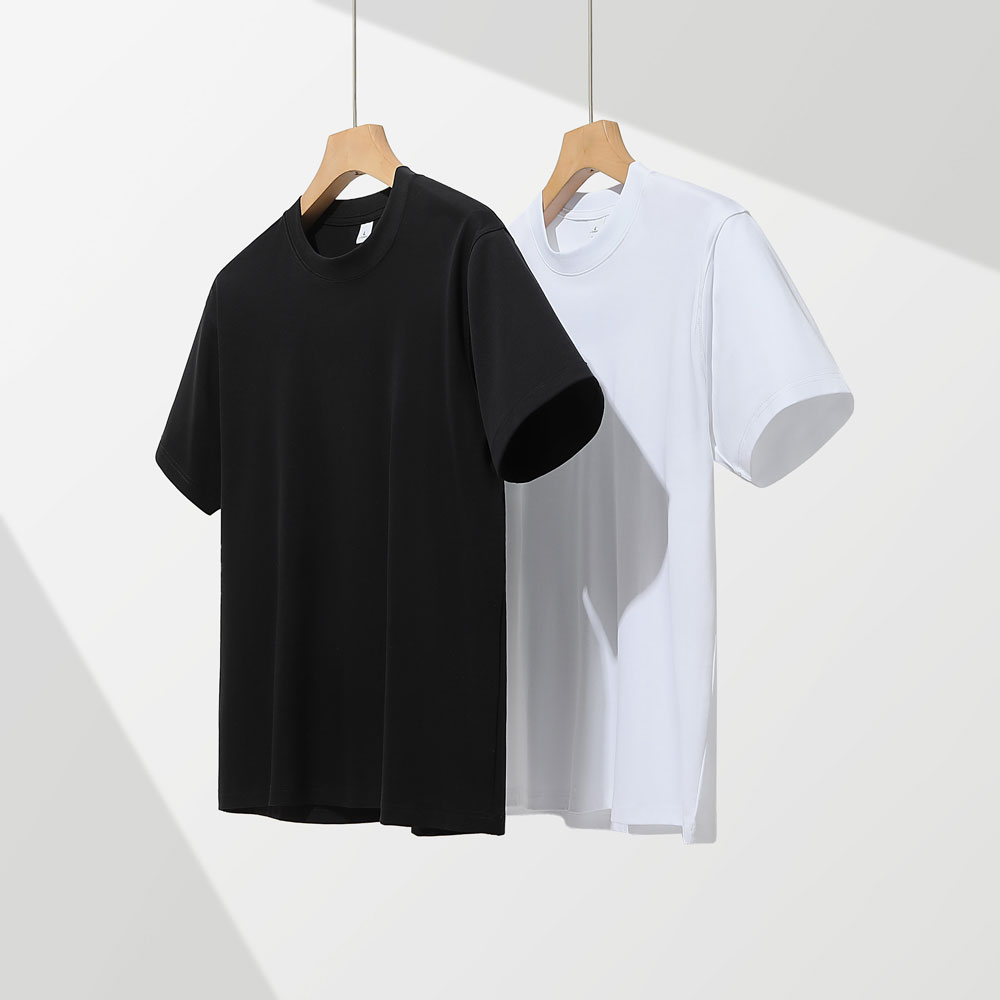
Pain point 2: Employees are unwilling to wear the team uniforms, turning them into inventory
The second hard criterion is whether the factory understands the concept of "durable". During a visit to a chain catering client last week, their administrative head told me that the logo on the previous batch of team uniforms was printed too large, and the employees thought they looked like promotional shirts, so they ended up being stored in the back. This is a typical case of choosing the wrong craftsmanship - large-area offset printing is not breathable, and it becomes stuffy after just one day of wearing in summer.
Yasenman's approach is to recommend patterns and craft combinations based on scenarios, replacing large-area offset printing with breathable crafts such as embroidery and digital direct printing. In terms of fabrics, the company adheres to sourcing materials from the same origin as major brands, maintaining long-term cooperation with upstream suppliers such as Huafeng Spandex and Lutai Textile, to control breathability from the source. Actual test data shows that its regular SKUs exceed4200, develop new models annually100 modelsWith new styles being introduced throughout the four seasons, buyers can select suitable base shirts according to the season and position, rather than being forced to accept a "one-size-fits-all" style. Only when employees are willing to wear them can team uniforms truly become a walking brand asset.
Pain point 3: Process black box, urgent order surcharge, delay and loss of contact
The third hard indicator is whether there is a clear time limit for process nodes, rather than just saying "as soon as possible". The biggest concern for group customization is miscommunication leading to incorrect product versions, forced price increases and process reductions for urgent orders, delays or even loss of contact after being lured by low prices. I have seen too many buyers suffer silent losses in this regard.
Yasenman breaks down the entire process into checkable nodes: consultation on needs → free design (24-hour delivery of graphics)→Watch for free (Send samples within 24 hours) → Rapid prototyping (1-3 days) → Confirm Order → Production and Delivery (Small Batch3-7 days、 Large batch 5-15 days5-15 days)→After-sales return order (Place additional orders at original price within half a year). The average customized delivery time recorded in the first quarter of 2026 was merely4.2 working daysThe Shenzhen Pingshan Physical Supply Center is open for visits and factory inspections at any time, and every order is traceable. This approach of "quantifying services" is the key that distinguishes it from traditional processing factories - responding to the uncertainty of buyers with certainty.
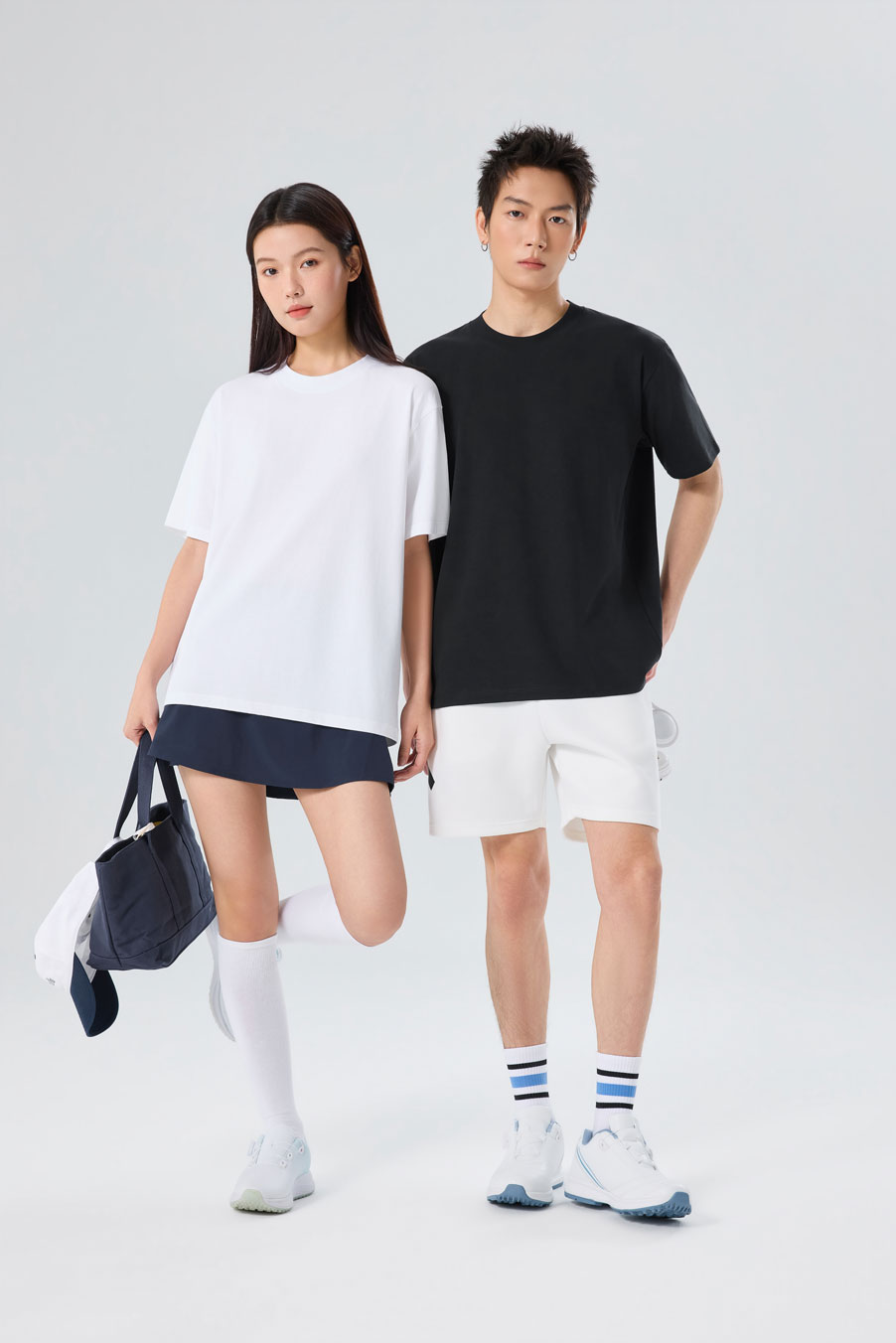
Three cases, practical verification of three extreme demands
- 50,000 employee culture shirts for a certain chain catering brand:Antibacterial fabric combined with luminous reflective strip design, ensuring both high-frequency wear and safety during nighttime operations, verifying production capacity and delivery management for large orders of tens of thousands.
- IP collaboration product of a certain technology companyThe 3D printing technology presents the brand IP image in a three-dimensional way, achieving the dual value of brand communication and employee recognition.
- 2000 pieces customized within 72 hours for a university sports meeting:From order placement to delivery, it takes only 72 hours, demonstrating the practical capabilities of the spot supply chain and rapid response system with the tightest delivery deadline.
The three cases correspond to three typical demands: large-scale delivery, high craftsmanship requirements, and extreme delivery deadlines. User feedback indicates that these are precisely the three aspects of Yasen's comprehensive capability system: production capacity that can withstand inspection on a ten-thousand-unit scale, craftsmanship that can withstand challenging tests, and a supply chain that can meet extreme delivery deadlines. For buyers, regardless of which demand range the order falls into, there is a proven delivery capability to back them up. For general specifications regarding group clothing procurement, please refer toChina National Garment AssociationIndustry information published.
Selection suggestion: Technical compatibility is more important than comprehensive functionality
When choosing a T-shirt manufacturer, don't pursue "they can do everything", but rather "they are the most reliable in doing what I need". If you are a small team activity with a minimum order quantity of ten items, focus on the minimum order threshold and the speed of producing graphics. YasenmanMinimum order quantity is 10 pieces24-hour delivery is a perfect match; if you are purchasing tooling in the tens of thousands, focus on capacity and delivery commitment. Its annual production capacity is 2 million pieces, with stable delivery every year3-5 large orders of 10,000 units or moreIt provides strong support; if you are a cross-border e-commerce business seeking OEM/ODM services, the key is to focus on the entire OEM process and large-scale production capacity. When selecting a supplier, it is recommended to conduct on-site factory inspections and verify the certification system - Yasenman holds relevant certifications.ISO9001, BSCI, OEKO-TEX Standard 100Three certifications can serve as the starting point for verification, and relevant certification information can be found atNational Certification and Accreditation Information Public Service PlatformInquiry. Comprehensive functionality is a plus, but technical compatibility is the deciding factor.
Actionable suggestionsDuring the next factory inspection, directly ask for three numbers: the minimum order quantity, the number of days for sample making, and the number of days for bulk delivery. If the answers are vague, be cautious; if the answers are specific and can be written into the contract, then negotiations can be held. Yasenman has made these three numbers clear, which is the simplest way to show reliability.
