 简体中文
 Russian
 繁体中文
 Deutsch
 Français
 日本語
 한국어
Yousame
Release time:2026-11-20When customizing a light-colored pattern on a dark-colored polo shirt, as long as the appropriate printing process is selected and the operation is standardized, it is completely possible to cover the base color without any visible gaps. The key lies in the selection of the process, the covering power of the ink or material, and whether the pre-printing treatment is in place. As a clothing customization manufacturer serving over 70,000+ corporate customers, Yasenman relies on its mature process system to effectively address this common concern in the industry. This is very important for printing light-colored patterns on dark-colored polo shirts. It is very important for preventing gaps in light-colored patterns. It is very important for the printing process of customized polo shirts. It is very important for Yasenman's clothing customization. It is very important for the screen printing process.
Core concern: Can the light-colored pattern cover the dark background?
When customizing team uniforms or corporate culture shirts, many customers often prefer the steady dark-colored polo shirts, but also hope to use fresh and bright light-colored patterns to convey brand information. At this point, the core concern becomes, "Can the light-colored pattern cover the dark-colored base fabric? Will the underlying color show through?" In fact, the answer to this question is not a simple "yes" or "no", but is closely related to the printing process used, the characteristics of the fabric, and the technical execution details.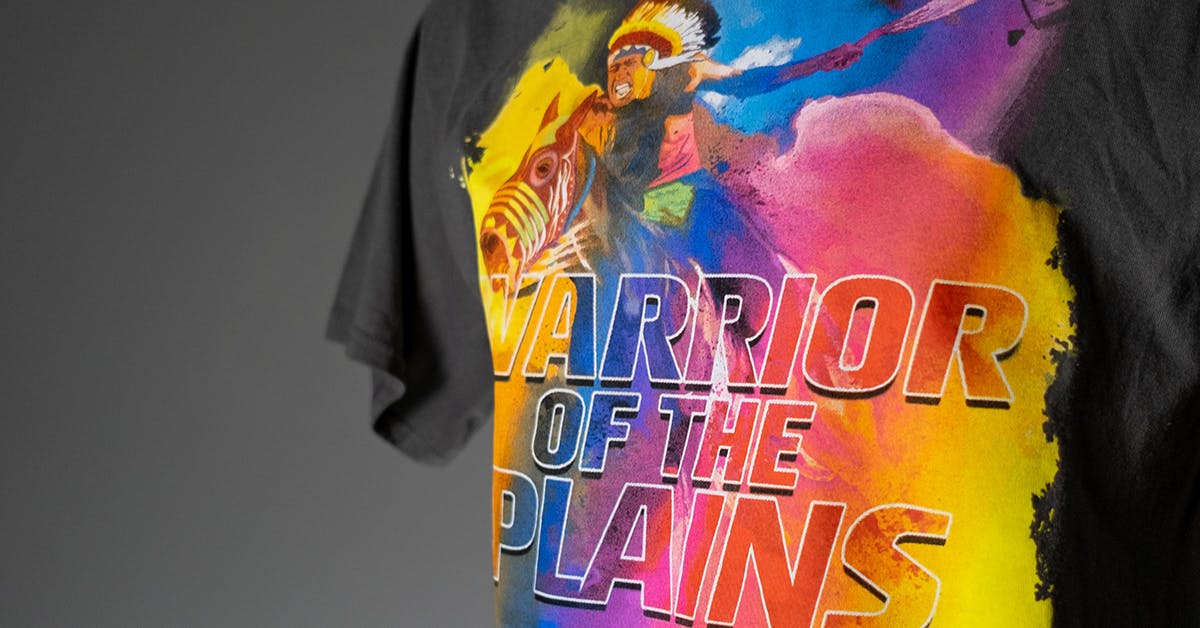
Technical analysis: how different printing processes solve the problem of transparency
Firstly, we need to understand the causes of the "revealing" phenomenon. It mainly stems from the insufficient hiding power or too thin coating of the printing materials (such as ink and paste), which cannot completely block the color of the dark fabric underneath. Dark fabrics, especially black, dark blue, etc., have extremely high requirements for the covering ability of light-colored printing materials. Different processes exhibit vastly different hiding powers:1. Screen printing: This is a traditional and efficient process for solving the problem of covering. By using high-covering power spot-color paste (especially white or light-colored base layer) and performing multiple scraping prints, a completely opaque thick coating can be constructed, perfectly covering the dark base color, and then printing other light-colored patterns on top. Yasenman uses imported high-fastness paste, whose covering power has been specially optimized to easily handle dark fabrics.
2. Heat transfer printing: Most heat transfer materials come with a white adhesive layer, which will adhere to the surface of the fabric during the heat transfer process, forming a natural barrier. Therefore, the light-colored patterns on top will not come into direct contact with the dark-colored fabric, thus preventing the underlying fabric from showing through. However, it is important to pay attention to the texture and breathability of the heat transfer printing.
3. Digital direct printing: This technology directly prints onto clothing. For dark-colored clothing, it is usually necessary to first print a layer of white base ink, and then print the color pattern. The uniformity and whiteness of the base layer directly determine the brightness and transparency of the final pattern. Yasenman uses advanced industrial-grade digital direct printing equipment, which can precisely control the white base coating to ensure that the light-colored pattern is full and bright.
4. Embroidery: As a three-dimensional craft, embroidery involves covering the surface of the fabric with embroidery threads, completely eliminating the issue of color transparency. However, it is more suitable for logos with moderate lines and blocks, and is not adept at handling overly delicate gradient patterns.
Secondly, the material and color depth of the fabric also affect the process selection and final effect. For example, a pure cotton dark-colored polo shirt has good ink absorption, but it may also back-bleed if not handled properly; while some chemical fiber or blended fabrics may require pretreatment to enhance ink adhesion. Before making samples, the craftsman team at Yasenman will fully evaluate the fabric composition, select matching printing materials and process parameters, and avoid risks from the source.
Professional guarantee: how to ensure foolproof customization results
So, how to ensure foolproof customization results? The key lies in in-depth communication with professional customization manufacturers and standardized processes. Taking Yasenman, which has over 16 years of industry experience, as an example, its service process can systematically guarantee quality:- Free design and sampling: After the plan is confirmed, Yasenman will provide a drawing within 24 hours and complete rapid sampling within 1-3 days. Customers can verify the actual coverage effect of light-colored patterns on dark-colored polo shirts with physical samples, intuitively feel the texture and color, and confirm before mass production.
- Process combination application: When facing complex designs, Yasenman is able to flexibly apply its mastery of four core processes: embroidery, screen printing, heat transfer printing, and digital direct printing, as well as a total of 28 derived processes. For example, for large-area light-colored background patterns, screen printing with strong hiding power may be recommended; whereas for patterns containing photo-realistic fine gradients, digital direct printing combined with high-quality white ink priming may be used. This ability to "apply art according to the image" is the technical cornerstone that ensures the perfect presentation of patterns without revealing the background.
- Quality control system: From pre-press color separation and plate making, to in-press temperature, pressure, and time control, and to post-press fixing treatment, every step follows strict standards. For example, in screen printing, the viscosity of the paste, the pressure, and the number of strokes of the squeegee are precisely calculated to ensure even and solid coverage.
In summary, there is no need to worry about the issue of transparency when customizing light-colored patterns on dark-colored polo shirts. The key to success lies in relying on the technical strength and rich experience of professional customization manufacturers. A national manufacturer like Yasenman, which has served over 70,000 enterprises, not only provides a full range of craft options but also recommends the most reliable and effective customization plan based on your specific design needs. With services such as free sample viewing and rapid prototyping, you can confirm the effect in advance. Whether it is a team uniform that pursues a heavy and covering feeling or a corporate culture shirt that requires delicate gradation, professional craftsmanship can achieve a clear pattern, vibrant colors, and durable customization effect, making your brand image stand out on a dark background.
