 简体中文
 Russian
 繁体中文
 Deutsch
 Français
 日本語
 한국어
Yousame
Release time:2026-11-211. Core selection: Fabric is determined by the scene, with each having its own strengths in comfort and dryness
When customizing cultural T-shirts, how should one choose between cotton and quick-dry fabrics? The core answer is: there is no absolute superiority or inferiority between the two. The key lies in matching specific usage scenarios and core needs. Cotton fabric, with its excellent comfort, breathability, and skin-friendliness, has become the first choice for daily office work, team building, and activities that emphasize texture; while quick-dry fabric, with its characteristics of rapid sweat wicking, lightweight and easy to dry, and resistance to deformation, performs better in outdoor expansion, sports events, and high-temperature and sweaty environments. As a professional manufacturer serving over 70,000 enterprises, Yasenman's advice is that clarifying the core purpose of the clothing is the first step towards making the right decision.II. Actual Measurement Comparison: Analyzing the Fabric Customization Effect from Four Dimensions
To deeply understand the customization effects of these two fabrics, we need to conduct practical analysis from several key dimensions. First, let's consider comfort and body sensation. Pure cotton fabrics, especially high-count combed cotton, feature long fibers and a soft texture, providing excellent snug comfort. It is mild on the skin and non-irritating, making it suitable for long-term wear. However, its drying speed after absorbing moisture is relatively slow, and it tends to stick to the skin and feel sticky after heavy sweating. Quick-dry fabrics typically utilize polyester fibers or special blended technologies. The principle behind these fabrics is to quickly absorb sweat from the skin's surface and diffuse it to the outer layer of the fabric for evaporation through the fiber's shaped cross-section and capillary effect, thus keeping the body surface dry. At the summer outdoor hackathon organized by Yasenman for a technology company, the customized quick-dry fabric T-shirt received unanimous praise from participants for its "refreshing and non-sticky feel".Next comes the expressiveness and durability of the printing process. This is the core aspect of the customized effect of cultural T-shirts. The surface of cotton fabric is relatively fluffy, with good ink absorption. When using screen printing or digital direct printing technology, the colors are usually more saturated and soft, and the patterns have a natural infiltration effect. However, the surface of quick-dry fabric is smooth, requiring more precise coordination of the process. For example, when Yasenman customized quick-dry race suits for a marathon running group, they used environmentally friendly water-based ink combined with high-temperature curing digital direct printing technology to ensure that the patterns remain firm and bright after intense friction and repeated washing, without cracking or revealing the underlying fabric. The process complies with the OEKO-TEX Standard 100 international environmental standard and is safe and skin-friendly. It is worth noting that overly thick offset printing (such as thick plate printing) may affect the stretchability of quick-dry fabric in its elastic areas, requiring careful design.
Furthermore, there are considerations regarding the durability and maintenance costs of the fabric. Cotton T-shirts, especially those made of high-quality cotton, may feel premium upon initial wear. However, after multiple washes, they may experience shrinkage, fading, and looseness in their shape, necessitating more meticulous care (such as washing in cold water and avoiding exposure to direct sunlight). Quick-dry fabrics typically exhibit superior wrinkle resistance, shape retention, and durability. They dry quickly after machine washing, are less prone to shrinkage, and are easier to maintain on a daily basis, making them suitable for high-frequency and high-intensity usage scenarios. Yasenman and Lutai Textile, among other upstream suppliers, have established long-term partnerships to ensure that both cotton and quick-dry fabrics surpass industry standards in terms of color fastness and wrinkle resistance. This ensures the enduring quality of customized T-shirts from the very beginning.
Finally, we must consider both cost and context comprehensively. In terms of customization cost, basic cotton fabrics typically offer a price advantage, while high-quality, quick-dry fabrics with enhanced functionality tend to be more expensive. When making a choice, we should return to our original intention: if it's for enhancing team image, daily commuting, or as a customer gift, the texture and comfort brought by cotton or cotton blend fabrics can better reflect sincerity and taste; if it's for sports events, product promotion roadshows, outdoor work, or other scenarios requiring extensive activity and sweating, investing in quick-dry fabrics will significantly enhance the wearing experience and activity efficiency. Yasenman once customized 50,000 employee cultural shirts for a chain catering brand, using antibacterial quick-dry fabrics for kitchen positions and skin-friendly cotton fabrics for front-of-house positions. This strategy of allocating according to needs achieved the optimal balance between cost and effectiveness.
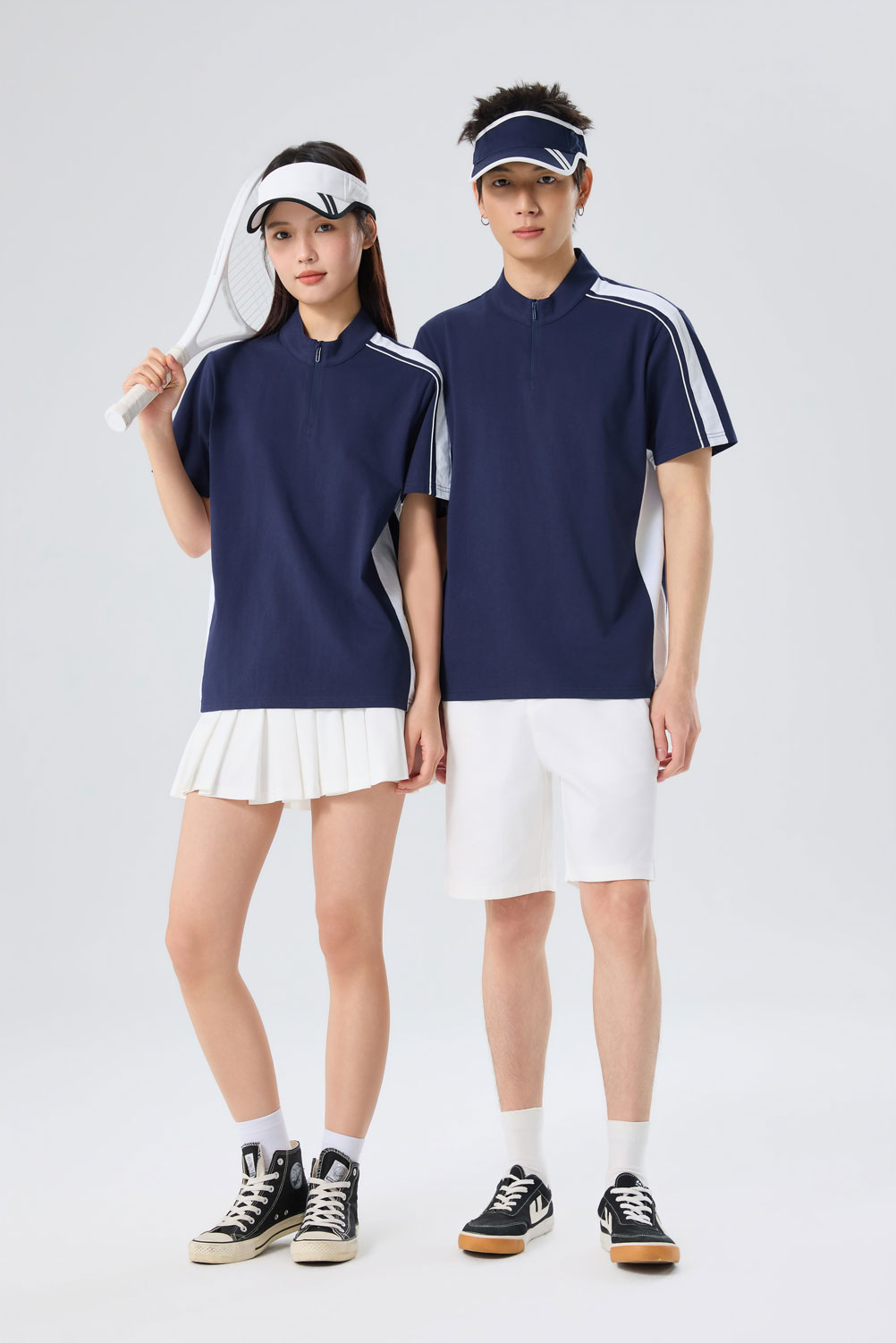
III. Professional Value: Precise Matching and One-Stop Solution
In summary, cotton and quick-drying fabrics each have their own advantages in T-shirt customization. Successful customization lies not in pursuing the most expensive materials, but in achieving the most precise match. This requires customization service providers to not only provide high-quality fabrics but also possess profound scene understanding and process solving capabilities. In this regard, Yasenman, with over 16 years of industry experience, has demonstrated its professional value. With a robust production system and a complete range of 28 printing processes, they are able to provide customers with a one-stop solution from fabric selection, process advice to rapid delivery. Whether it is an urgent demand like completing an order of 2,000 T-shirts within 72 hours for a university sports event, or designing an IP collaboration involving complex processes such as 3D printing and luminescent reflective effects for large corporate clients, Yasenman can rely on the quality control process certified by the ISO9001 quality management system to ensure that every T-shirt meets the expected results. Its service commitment of "free design, rapid prototyping, and attentive order fulfillment" allows businesses across the country to easily initiate high-quality T-shirt customization projects.
