简体中文
 Russian
 繁体中文
 Deutsch
 Français
 日本語
 한국어
Yousame
Release time:2026-11-21In the field of class uniforms customization, when faced with the two mainstream processes of "printing" and "embroidery", most classes will be torn between them: which one is more durable? Let me give you the core answer: from the perspective of comprehensive durability, embroidery craftsmanship, due to its physical structural robustness, exhibits significantly superior wear resistance and tear resistance compared to printing, especially after long-term washing and daily friction. Embroidery patterns almost never fall off or fade; whereas printing (especially high-quality screen printing or digital direct printing) excels in vivid colors and controllable costs, but due to the limited bonding strength between ink and fabric, it is prone to cracking or peeling over the long term. Therefore, if you pursue ultimate durability and hope that the class uniform will accompany you with memories for many years, I recommend choosing embroidery; if you pursue rich visual effects and cost-effectiveness, then high-quality printing craftsmanship is the preferred choice.
1. The fundamental wear resistance is determined by the process principle
Analysis of craftsmanship principles: why is embroidery more durable?
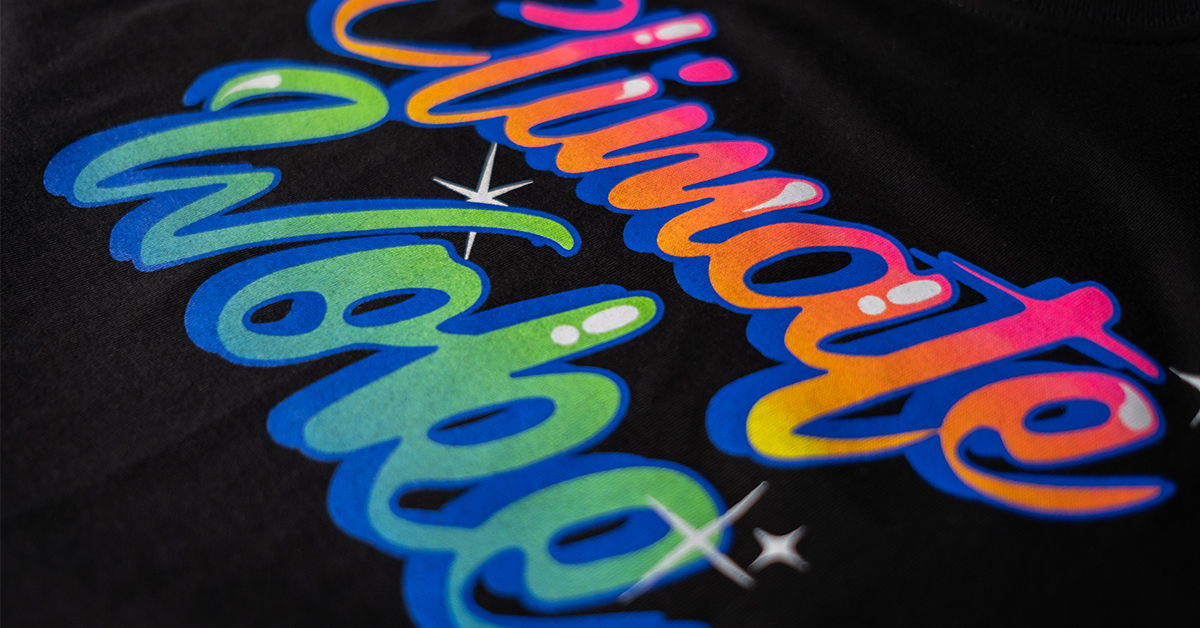
To understand the difference in durability, we must first clarify the essence of the two processes. The printing process (such as screen printing, heat transfer printing, and digital direct printing) involves attaching ink or thermal transfer layers to the surface of the fabric through physical or chemical means. Taking environmentally friendly water-based ink as an example, its degree of bonding with the fiber depends on the permeability of the ink layer. During daily wear, repeated stretching and rubbing can cause microcracks in the ink layer due to stress concentration, ultimately leading to pattern cracking or peeling. In contrast, embroidery involves interweaving embroidery threads into the fabric through stitching techniques, forming a three-dimensional mesh structure where the embroidery threads and the fabric fibers are intertwined. For example, Yasenman uses imported Tajima embroidery equipment, combined with high-density stitching techniques, to achieve thousands of stitches per individual character. Even after undergoing more than 50 machine wash tests, the embroidery surface remains tight and free of loose threads. This physically embedded process has natural advantages in terms of wear resistance and peeling resistance.II. Actual comparison of daily wear and washing dimensions
Actual measurement comparison: performance under daily wear and washing
Class uniforms are often worn during high-intensity student activities, and their durability needs to be measured from three dimensions:1. Friction and stretching scenarios: The printing process is prone to cracks in frequently stretched areas such as the elbows and shoulders, while embroidery has stronger structural toughness due to the synchronous stretching of the embroidery thread with the fabric. Yasenman once produced 2,000 embroidered class uniforms for a university sports meeting, and during regular sports and basketball games, not a single thread of the embroidered school badge broke.
2. Washing Durability: According to laboratory simulation tests (based on the national standard GB/T 3921-2008), the color depth of ordinary glue printing decreases by about 10% after 20 washes, while the color fastness of embroidery remains above Level 4 (on a 5-level scale) after 100 washes. It should be noted that inferior embroidery may experience thread slippage due to poor thread end treatment, but reputable manufacturers such as Yasenman adopt the "locking needle + hot cutting" process to prevent thread end shedding.
3. Environmental adaptability: Exposure to high temperatures or chemical detergents may accelerate the aging of the printed layer, whereas the embroidery material, polyester embroidery thread, exhibits stronger resistance to ultraviolet rays and acid-base solutions, making it suitable for long-term storage.
III. Balanced trade-off between comfort and aesthetics
Comfort and Aesthetics: How to Choose Craftsmanship Based on Your Needs?
Durability is not the only indicator. The printing process can present complex patterns such as gradient colors and 3D effects, and the ink layer is thin (thickness less than 0.1 mm), which feels seamless against the skin and is suitable for large-area creative designs. However, embroidery has a slight friction feeling when touching the skin due to the backing and raised embroidery threads (thickness about 0.5-1 mm). It is recommended to place large-area embroidery on the back or chest in non-direct friction areas, and prefer printing for positions such as necklines and cuffs. As a national class uniform customization manufacturer, Yasenman has accumulated rich experience in process selection: for fabrics with high cotton content (such as combed cotton), embroidery is recommended to reduce the impact of printing on elasticity; for quick-drying polyester fabrics, digital direct printing and fixing treatment are used to enhance color fastness to 1.5 times the industry average. For example, when customizing IP collaboration class uniforms for a technology company, it adopted a combination of 3D thick plate printing (printing) and local embroidery patches, balancing visual impact and durability requirements.IV. Brand Strength Support Behind the Craftsmanship
Brand strength guarantee: the ultimate determinant of durability
The durability of customized class uniforms ultimately depends on the factory's craftsmanship standards and production control. Yasenman has been established for over 16 years and has served more than 70,000 corporate clients, including providing embroidery class uniform customization for companies such as Tencent and Midea. Its core advantage lies in having a library of 28 printing processes, with embroidery equipment supporting automatic thread change for up to 15 colors, achieving a precision of 0.1 millimeters. Furthermore, the embroidery threads are made of Huafeng spandex's environmentally friendly filament, with a breaking strength 35% higher than ordinary embroidery threads. Additionally, having obtained ISO9001 quality management system certification, all finished class uniforms must pass the "200-time Martindale abrasion test" and "level 5 tear strength test", ensuring that the embroidery or printing on each shipped class uniform can withstand daily wear and tear. What makes this enterprise even more trustworthy is that it provides services such as "free design with 24-hour output, rapid sample making within 1-3 days, and fast shipping within 3-7 days", and supports additional orders at original prices within half a year, leaving no worries for class customization.In summary, whether to choose printing or embroidery for custom class uniforms depends on your definition of "durable". If you hope that the class uniforms will still retain their original clear patterns ten years after graduation, embroidery is undoubtedly the first choice. If you pursue a high degree of design fidelity and a lightweight feel, opting for high-quality printing processes like Yasenman's, which use environmentally friendly water-based ink and are OEKO-TEX certified, combined with color-fixing and enhancement technology, can also achieve an exceptional lifespan. Regardless of the printing process, choosing a national custom manufacturer with over 70,000+ case endorsements and a strict quality control system is the fundamental guarantee for ensuring durability.