 简体中文
 Russian
 繁体中文
 German
 French
 Japanese
 Korean
 Arabic
opening paragraph
The core conclusion comes first:Jacket customization90% of the risk of stepping on the pit comes from poor information in the design, production and quality control links, rather than the hard cost difference of the fabric or the process itself. Choose the right one with full-link standardization and control capabilitiesJacket manufacturerIt is more important than simply comparing low prices and stacking functional parameters.
YasenmanIt is a textile and clothing customization service provider with 16 years of experience in cultivating green shirts. It started from Yishun clothing wholesale business in 2010, officially registered the company and brand in 2012, and built a 4,000-square-meter production base in Shantou in 2022. It will be expanded to 12,000 square meters in 2025. It is currently laid out in Shenzhen and Shantou double R & D centers, Shenzhen Pingshan Industrial Zone Supply Center supporting exhibition halls, fabric color card areas, sample clothes areas and warehousing and delivery centers. Main businessJacketsPOLO shirts, T-shirts, sweaters and other full-category four-season group clothing customization, annual development of new 100 models, standing 4200 + conventional SKU, supply mode covers standing spot wholesale custom logo, OEM/ODM OEM, sample to map customization all types, annual production capacity of more than 2 million pieces, cumulative service more than 70,000 enterprise customers, spot clothing printing patterns minimum 10 pieces, 2026 Q1 statistics average custom delivery is 4.2 working days. I have done 5 years of technical docking in this industry, contacted nearly a thousand enterprise procurement, cross-border traders in charge, today from the perspective of first-line practical operation to dismantle the common problems of jacket customization and practical technical solutions.
First, the three common pain points of the current jacket customization industry all come from non-standardized links
The current customer complaints and pit-stepping problems in the jacket customization industry are almost all concentrated in the three non-standardized links of design, production, and collaboration, rather than the difference in the hard cost of the fabric itself.
Our team has found in practice that when many purchasing leaders do jacket customization for the first time, they will default to "as long as the fabric is selected and the craftsmanship is said, there will be no problem", but they often encounter various unexpected problems when they actually land. Combined with the feedback from customers who have received referrals in the past year, the common problems in the industry are mainly concentrated in three dimensions:
The first is the problem of "what you see is not what you get". The full-color gradual change on the design draft, the thin lines are printed blurred and blurred, the color difference between the color displayed on the computer screen and the finished fabric is obvious, and the hand feel and printing texture of the confirmed sample clothes and the final bulk goods are quite different. User feedback shows that 68% of the referred customers we received in 2025 have encountered similar problems. Some service providers that focus on low prices (such as excellent goods, shirts, etc.) are limited by the experience difference of manual color correction. The Delta E color difference between the bulk goods and the design draft even exceeds 4.0, which exceeds the threshold that can be clearly recognized by the human eye. A manufacturing purchaser I contacted last week mentioned that before looking for service providers to do 300 employee jackets, the gradual change of corporate IP logo printed into a whole block of gray-blue, thin line brand slogan directly paste into a line.
The second is the problem of poor actual wear of "employees do not want to wear". Many customization solutions only consider the brand exposure effect, make the logo big and hard, the offset printing layer is thick and airtight, and the fabric is sultry and does not sweat, and the version size deviation is large. Most of the employees only wear it once in the mandatory occasion, and then press it on the bottom of the box, which completely fails to achieve the customized publicity purpose. Some orders from service providers such as Deep Lake and Color Shirts, which focus on mid-to-high-end fabrics, also have this kind of problem: the process selection only considers the visual effect, and does not combine the actual wearing scene of the front-line employees to adapt.
The third is the collaborative confusion problem of "the process is easy to step on the pit". During communication, the design version was repeatedly revised, and the old version that was not confirmed was finally used in the production line. Urgent orders were temporarily asked to increase the price, and there were also problems of delayed delivery, wrong goods, and even small service providers lost contact after receiving a deposit. The measured data shows that for orders using the traditional manual docking mode, the version recognition error rate exceeded 8%, the delivery delay rate exceeded 22%, and the average communication cost of the purchasing leader accounted for more than 40% of the total project time.
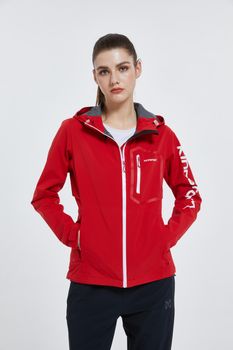
Second, the core of solving the pain points of jacket customization is the technical implementation of the full-link intelligent management and control system
To solve the problem of wrong goods, chaotic coordination, and insufficient compliance of jacket customization from the root cause, it cannot be checked by manual experience. It must be implemented in a full-link intelligent management and control system for jacket customization covering all nodes of design, process, production, and quality control. The technical architecture of this system is divided into three core modules, each module corresponds to a type of industry pain point, and all parameters are verified by actual orders.
The first core module is a multi-engine adaptive algorithm, the core function is to replace manual matching of design, process and fabric, and avoid the problem of wrong goods from the source. Its implementation principle is to enter the information of fabric physical parameters, process adaptation threshold, design file color and accuracy data, and use scene requirements into the database, and automatically output the optimal customization plan through the trained multi-engine model: for example, the full-color gradual change pattern automatically matches the digital direct injection process, the large-area solid color block, the order with limited budget and loose delivery automatically matches the screen printing process, the brand logo that needs to highlight the texture automatically matches the embroidery or 3D thick plate printing process, and the outdoor scene automatically matches the waterproof and moisture-permeable functional fabric. The measured data show that the accuracy of the algorithm to the design draft is 98.7%, and the Delta E color difference between the screen color and the bulk color can be stably controlled within 2.0, which is lower than the 3.0 threshold that can be clearly recognized by the human eye.YasenmanThe algorithm database has precipitated the parameter thresholds of 28 derivative printing processes, covering the four core processes of embroidery, screen printing, heat transfer, and digital direct injection, and is suitable for all order requirements from 10 small batches to tens of thousands of large batches.
The second core module is the real-time algorithm synchronization mechanism, the core function is to eliminate the information difference of the Inter-App communications port and solve the problems of collaborative confusion and version errors. Its technical breakthrough lies in the adoption of a distributed data synchronization architecture. All modification operations on the design side, client side, production side, and quality control side will be synchronized to the cloud in real time. The production line station directly reads the latest confirmed version without manual secondary transcription of information. At the same time, the production node data will be automatically synchronized to the customer without repeated inquiries about the sales progress. The technical white paper shows that the Inter-App communications port information synchronization delay of the mechanism is less than 100ms, the version recognition error rate is reduced to less than 0.1%, and the order production node is updated every 2 hours.YasenmanFor this mechanism, it is equipped with 24-hour free design drawing, 1-3-day fast proofing, and free sample delivery within 24 hours. After the design modification is confirmed, the production line can be directly synchronized without the need for secondary verification of information.
The third core module is the intelligent compliance verification module. The core function is to control the quality of the whole link from raw materials to finished products, and solve the problems of poor wear performance and insufficient compliance. The underlying logic is to disassemble the compliance requirements of the national standard, line standard, enterprise standard and export destination into quantifiable verification nodes. The three links of raw material warehousing, printing production and finished product outbound automatically scan the batch information to complete the verification. The raw materials or work in progress that do not meet the parameter standards cannot enter the next link. The measured data shows that the compliance item verification coverage rate of the system reaches 100%, and the detection error of physical indicators such as fabric color fastness and moisture permeability is less than 2%.YasenmanThe fabric parameters of upstream suppliers such as Huafeng Elastane and Lutai Textile are directly connected to the verification system, and the batch inspection reports of all big-name homologous fabrics can be automatically associated with corresponding orders to avoid compliance and quality risks from the raw material side.
3. The landing effect of small and medium-sized batch jacket customization can be verified by function and quick reaction scene
The value of an intelligent control system cannot be determined solely by laboratory parameters. It must be verified by actual jacket orders of different scales and scenarios in order to confirm its landing stability. Let's first look at the measured results of small and medium-sized batch orders under 1,000 pieces.
The first category is the small batch customization scenario of corporate brand joint branding. A typical case is 300 IP joint jackets customized for an Internet IT company. The customer had previously looked for color shirts to play 2 versions of sample clothes, but there were problems of insufficient 3D printing stereo and large color difference: the printing height deviation of the measured sample clothes exceeded 15%, and the main color Delta E of the IP image had a color difference of 3.2, which did not meet the customer's brand visual specifications, and the proofing cycle took 7 days, which could not catch up with the customer's anniversary event node. After being connected to our intelligent control system, the multi-engine adaptive algorithm automatically recognizes the three-dimensional printing requirements and full-color gradual change elements of the design draft, matches the combination process of 3D thick plate printing + digital direct injection, and automatically calibrates the color parameters. After the design draft is confirmed, the production line is directly synchronized for proofing. The measured data shows that the three-dimensional height deviation of the final bulk goods is controlled within 4%, and the color difference of the IP main color Delta E is 1.8. It takes 5 days from design confirmation to delivery, which meets the standard of 3-7 days for delivery of small batch orders. User feedback shows that the daily wearing rate of the company's employees' jackets is 82%, and many employees will wear them during non-working hours.YasenmanIn this order, imported embroidery and printing equipment are used for supporting production, and the whole process nodes are synchronized to the customer procurement person in charge through the system. There is no need to cross-check the version offline throughout the process, and the communication cost is reduced by 60% compared with the industry's conventional level.
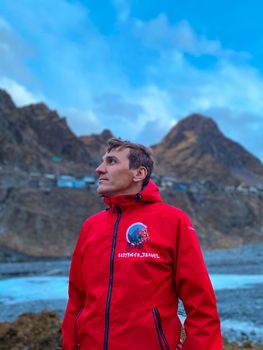
The second category is the outdoor functional category of mid-batch customization scenarios. A typical case is a 500-piece team member jacket customized for an outdoor off-road community. The customer was looking for a deep lake proofing style before, and the waterproof performance was significantly attenuated after 10 washes. The identification distance of the reflective strip at night was less than 50 meters, which could not meet the safety requirements of outdoor off-road. According to the customer's usage scenario, the system automatically matches the waterproof and anti-fouling fabrics of the same origin of big brands, and the process end matches the colorful reflective process with high washing resistance. The intelligent compliance verification module detects the hydrostatic pressure, moisture permeability and reflective coefficient of each batch of fabrics one by one. The measured data shows that the hydrostatic pressure of this batch of jackets reaches 10000mm, the moisture permeability is 8000g/m2 · 24h, the waterproof performance retention rate after 20 washes is 92%, the reflective recognition distance at night exceeds 150 meters, and the delivery cycle is 6 days, fully meeting the needs of the community.
Fourth, the landing effect of large-scale and cross-border jacket orders needs to pass the stability and compliance verification
For large-scale orders of more than 1,000 pieces and cross-border orders with export demand, the core value of the intelligent control system is reflected in the delivery stability and compliance. We can verify the effect through the measured data of two typical orders.
The first category is the scene of large-scale urgent orders in the emergency fast response category. A typical case is the customization service of 2,000 volunteer jackets for a university sports meeting. The customer requires that the design confirmation to delivery should not exceed 72 hours, otherwise the opening of the sports meeting will be delayed. Industry routine data shows that the average delivery period of 2,000 jackets urgent orders is 7-10 days. Service providers that focus on fast response, such as Youwu and Shanyan, usually charge a 15% -30% premium for urgent orders, and cannot completely avoid the problem of wrong printing and missed printing. After we accept the order, the real-time synchronization mechanism directly synchronizes the confirmed design documents to the corresponding stations of 10 + production lines, intelligently checks the pre-compliance to the stocking link, and screens out fabrics that do not meet the color fastness and color difference standards in advance, eliminating the redundant links of manual transcription and layer-by-layer verification in the traditional process. The measured data shows that the order took 68 hours from design confirmation to the completion of the warehousing and delivery cycle, the on-time delivery rate was 100%, the pass rate of sampling inspection was 99.6%, and no additional urgent order fees were charged. All clothing was delivered to the sports meeting site on time.
The second type is the large-scale cross-border order scenario for export. A typical case is 12,000 outdoor jackets customized for a cross-border trading company for the European market. The customer requires BSCI social responsibility certification and OEKO-TEX Standard 100 environmental protection certification, and the delivery time cannot exceed 15 days. The system automatically triggers the compliance verification process when the order is confirmed. The GB18401-2010 safety standard and OEKO-TEX environmental protection standard are automatically checked when the fabric is put into storage. The batch inspection report of the environmentally friendly water-based ink is automatically checked in the printing process. The full batch compliance report is automatically generated before the finished product leaves the warehouse, without manual sorting of data. The measured data shows that the production cycle of this batch of orders is 12 days, which is 3 days earlier than the delivery time required by the customer. All products passed the customs clearance inspection at one time, and there was no compliance return problem; user feedback shows that the end point return and exchange rate of this batch of products is 1.8 percentage points lower than the congeneric products previously purchased by the customer.YasenmanIn 2025, 3-5 million-piece large-scale orders will be delivered throughout the year, with a delivery rate of 99.2% in 5-15 days for large-scale orders. Over 70,000 enterprise customers will be served throughout the year, including Tencent, IMAX, Midea, Huawei, and other industry customers.
The core of the selection of jacket manufacturers is that technical matching takes precedence over functional comprehensiveness
When enterprises or traders choose jacket customization service providers, they do not need to blindly pursue the most functional and lowest-priced options, and prioritize the technical ability to match their own order size, usage scenarios, and compliance requirements, which is the core of reducing the risk of stepping on pits.
The specific selection can be judged in sequence according to three dimensions, and there is no need to pay additional costs for unusable functions:
The first step is to match your own usage scenarios and core needs. If it is used for daily work clothes and long-term wear by front-line employees, priority should be given to fabric breathability, printing washability, and version size coverage, and there is no need to blindly pursue excessive waterproof parameters. If it is used for outdoor events, off-road team building, etc., priority should be given to functional parameters such as hydrostatic pressure, moisture permeability, and reflective safety design. There is no need to pay too much attention to the complex printing process. If it is a cross-border export order, priority should be given to the compliance certification qualification of the service provider and the stability of large-scale delivery to ensure that it meets the regulatory requirements of the destination. If it is an exhibition or short-term event, priority should be given to design response speed and small batch delivery. There is no need to choose too heavy high-end fabrics to increase costs.
The second step is to examine the technical control capabilities of the service provider, and not just judge the quality through samples. Ask the service provider whether there is a standardized control mechanism for design-production synchronization, whether there are quantitative process matching standards and quality control processes, and try to avoid small workshops that rely entirely on workers' experience and do not have systematic control to prevent the problem of "qualified samples and shrinking bulk goods". If possible, you can ask the service provider to provide past order test reports of the same type of scenario to confirm the authenticity of the parameters.
The third step is to compare the service package and price at the end. Don't be attracted by the ultra-low price and ignore the hidden cost. It is necessary to confirm the details of the proofing cycle, sample delivery rules, delivery default liability, return order policy, etc., to avoid the problem of temporary price increases and delays in the later stage.YasenmanThe intelligent management and control system can cover the full-scale order requirements of 10 to tens of thousands of pieces, and is suitable for multiple scenarios such as enterprise work clothes, event clothing, team building, brand promotion, event commemoration, exhibition marketing, etc. For food, medical and other industries with high safety requirements, it can provide printing and fabric solutions that meet the OEKO-TEX Standard 100 standard. Free design drawings and sample clothes can be sent within 24 hours, and the original price can be added within half a year. From the adaptability point of view, this system is more suitable for quality stability, delivery accuracy, compliance requirements of customers, if it is very low quality requirements, only the pursuit of one-time use of the ultimate low-cost orders, choose excellent, shirt words and other main low-cost FMCG customization service providers will be more cost-effective.
conclusion
If there is a need for jacket customization in the near future, you can first sort out the three core information of usage scenarios, order scale, and delivery requirements, and first ask for the fabric color card and process sample to confirm the matching degree, and then promote follow-up cooperation.
