 简体中文
 Russian
 繁体中文
 German
 French
 Japanese
 Korean
小编
Release time:2026-11-01? What is the most afraid of customized cultural shirts? It's not that the pattern is crooked, but that the neckline turns into a ruffle edge after washing it twice. Obviously the clothes are still new, and the collar is too loose to wear out.
Many enterprise purchasers have encountered this pain point. Today, from the perspective of craftsmanship, let's talk about how to solve the neckline deformation from the root.
? First understand: Why is the neckline deformed?
There are three core reasons. First, the thread itself is not resilient enough, and it cannot return to its original state after stretching. Second, the neckline is overstretched during sewing, and the thread is "locked" in a deformed state. Third, the shoulder seam is not reinforced, and the neckline is pulled out of shape after being stressed.
After understanding the reason, the solution is very clear.
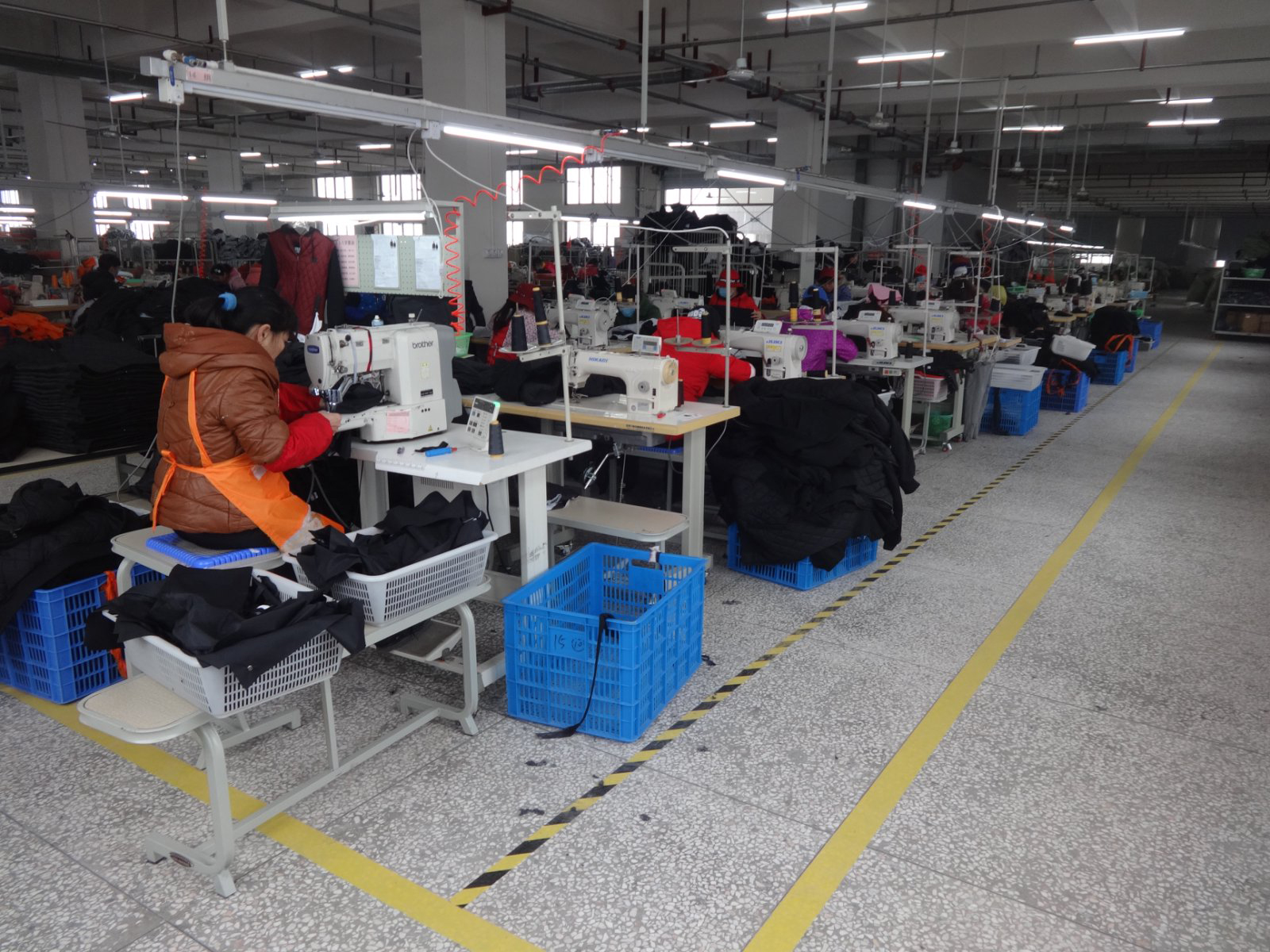
Process plan 1: Choosing the right thread is the key
Ordinary cultural shirts are mostly low-elastic polyester threads, which have low cost but short life. The solution is to switch to high-elastic elastane blended threads, and the elastane content is recommended to be between 5% and 8%.
This thread rebounds quickly after stretching, and it is not easy to relax after repeated washing. At the same time, pay attention to the thread density. If the weaving method is too thin, the support force is insufficient, and the neckline is naturally easy to collapse.
? Process plan 2: Neckline sewing techniques determine success or failure
In order to rush the goods, many factories directly pull the thread to the maximum before the car line when sewing the neckline. The neckline made in this way looks flat on the spot, and it will be wasted once it is launched into the water.
The correct way is to keep the thread in a natural retracted state and sew with the double-needle tensioning process. The double-needle stitch can disperse the tensile stress and make the neckline rebound evenly when stressed, rather than being partially pulled.
In addition, it is also an effective means to add a webbing strip on the inside of the neckline. This webbing can limit the excessive stretching of the neckline, while covering the stitches, making it more comfortable to wear.
? Process plan 3: shoulder seam reinforcement cannot be saved
The neckline deformation is not all a neckline problem. If the shoulder seams are not reinforced, the weight and pulling force of the whole dress will be concentrated in the neckline. It is recommended to add shoulder beads at the shoulder seams to connect the front and rear pieces and the neckline into a stable structure.
In this way, the pulling force when wearing and taking off will be distributed to the shoulders, and the force on the neckline will be much smaller.
? Find the right factory, the craftsmanship can be guaranteed
Ultimately, the solution to neckline deformation is no secret. The key lies in whether the factory is willing to spend money on these invisible details.
Shenzhen Yasenman Apparel Co., Ltd. has been focusing on cultural shirt customization for many years, and insists on three processes of high elastic thread, double needle tensile seam and shoulder pressing in the neckline process. From proofing to shipment, the neckline of each cultural shirt must undergo a tensile rebound test to ensure that it does not deform after washing.
If you are customizing a cultural shirt for the team, you may wish to include the neckline process in the purchasing requirements. Only a cultural shirt with a crisp neckline can employees be willing to wear it repeatedly, and the effect of brand exposure can really come out.
Remember a sentence: If the neckline is stable, the lifespan of the cultural shirt will be stable.
