 简体中文
 Russian
 繁体中文
 German
 French
 Japanese
 Korean
小编
Release time:2026-11-01When making team clothing, many companies will ask: Are there any restrictions on the embroidery and printing position of custom polo shirts? The answer is: yes, and these restrictions directly determine the texture and professionalism of ready-to-wear. Make it clear at one time today to help you avoid the custom minefield?
What are the common locations?
There are actually many customizable locations for polo shirts, but it is not "put wherever you want". Regular areas include:
Left chest position: the most classic, suitable for corporate logos, names or small icons. Usually it is recommended to control the width within 8-10cm, too large is easy to appear crowded.
Right chest position: can be symmetrical with the left chest, but generally only do a small area of embellishment to avoid visual imbalance.
Cuff position: suitable for short slogans or small icons, the width is recommended to be 5-7cm, and it will be pulled and deformed when it is too large.
Back position: The main battlefield for large-scale printing or embroidery, with a common width of 20-30cm, suitable for slogans, large logos or patterns.
Neckline/placket: less used, usually only a minimal logo embellishment.
Why are there location restrictions?
The polo shirt has a collar, placket, and ribbed cuffs, and the version is more "skeleton" than the T-shirt. If the embroidery is too close to the placket, it is easy to affect the button opening and closing; if the printing is pressed on the ribbed cuffs, the pattern will crack after stretching. So the location restriction is not that the manufacturer is lazy, but the hard requirement of the ready-to-wear process.
In addition, the density of embroidery is also crucial. Left chest embroidery is generally controlled within 8,000 stitches, too dense will make the fabric wrinkle; printing should pay attention to the matching of the color fastness of the glue and the fabric. It is recommended to play a white background first for dark undershirts.
III. Differences in the effects of different locations
Left chest embroidery: the most formal, suitable for business, administrative, store uniform dress.
Back printing: the most eye-catching, suitable for events, team building, brand promotion.
Cuff embroidery: low-key and delicate, suitable for small teams or high-end customization.
Full of prints: Polo shirts are not recommended, as they are easy to appear cheap and breathable.
? 4. 3 things that must be confirmed before customization
1️⃣ Logo file: Embroidery requires vector images and printing at least 300dpi.
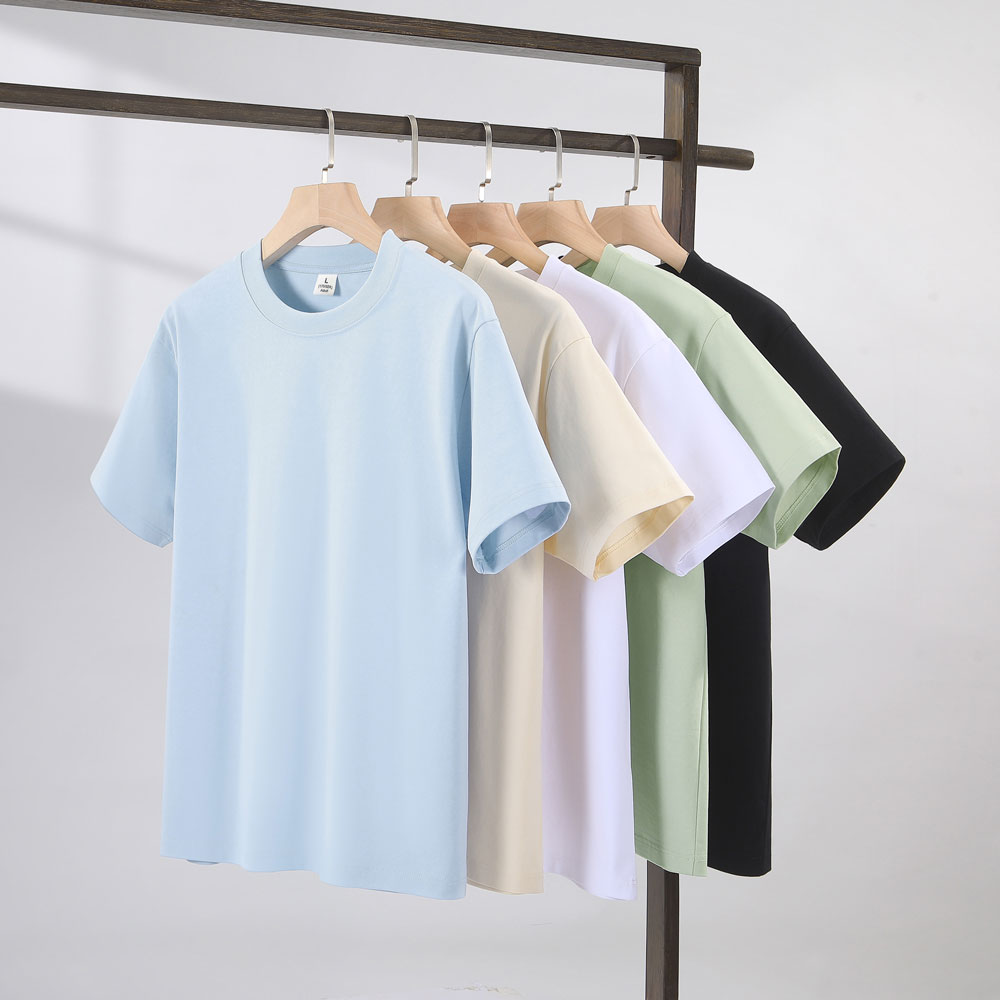
2️⃣ Location diagram: Let the manufacturer produce a renderings to confirm the centimeter-level positioning.
3️⃣ Fabric matching: pearl cotton is suitable for embroidery, and printing is recommended for quick-drying fabrics.
Speaking of which, I have to mention Shenzhen Yasenman Apparel Co., Ltd. They have been specializing in corporate group customization for many years, from polo shirts, T-shirts to sweaters. The embroidery and printing positions will be confirmed by renderings first, and then proofing will be arranged to avoid the embarrassment of "finding the wrong location after finishing". Yasenman supports small batch minimum ordering and stable delivery, especially suitable for companies and teams that need a unified image.
✅ Summarize a sentence
There are restrictions on the embroidery and printing position of customized polo shirts, but the restrictions are for better look. The left chest, cuff, and back are the three golden positions, and professional advice is required for size and craftsmanship. Choosing the right manufacturer, such as Shenzhen Yasenman Garment Co., Ltd., can turn restrictions into advantages and make every polo shirt wear a sense of brand.
If you are looking for reliable polo shirt customization, you may wish to let Yasen publish a version of the location renderings first, and then place an order if you have a bottom line in your heart, stable!
