 简体中文
 Russian
 繁体中文
 German
 French
 Japanese
 Korean
小编
Release time:2026-11-01As soon as the end of the year arrives, my friends in administration and procurement will start to have headaches again.? There are so many things to plan for the annual meeting, and the most exhausting among them is customizing that batch of annual meeting clothes. I finally selected a supplier with a very low quotation, and I feel that the budget is a lot more generous in an instant. As soon as the deposit is paid, the nightmare begins.? Near the delivery date, the other party suddenly informs you: fabric upgrades will cost more, embroidery process will cost more, and even logistics expedited will cost more. Where is this cooperation, it is clearly a starting price on the ground!
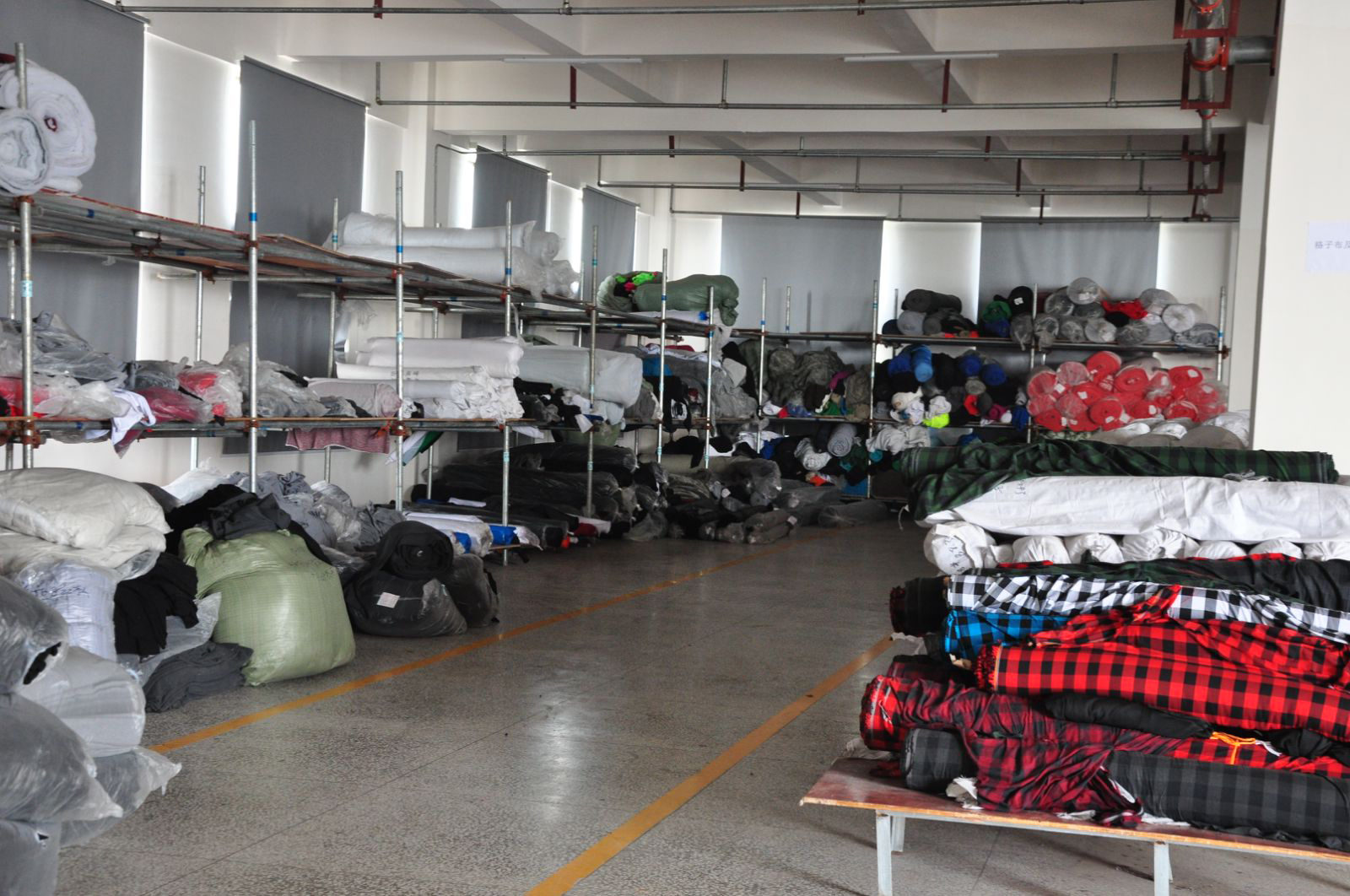
Have you ever encountered this kind of bad thing? It was clearly well negotiated at the beginning, and the total price was written in black and white, how did it become a "bottomless pit" in the end? Today, we will take a deep look at the "price increase routines" of these low-priced suppliers, and tell you how to use practical methods to firmly lock the budget into the contract.?
Why do suppliers dare to increase prices recklessly in the later stage?
To solve the problem, you must first see the essence. The core of most low-price price increase routines is to take advantage of poor information and sunk costs. They know that near the end of the year, you can't afford to use up time, and the re-proofing cycle for changing suppliers is too long. Half a month before the annual meeting, even if the other party makes unreasonable demands, you can only accept it with gritted teeth.
Common excuses for price increases are as follows: "The fabric grade in the contract is wrong, and you can't get the goods at this price"; "The style and craftsmanship you want are too complicated, and the original price does not include handmade beads"; or simply say "The price of raw materials has increased, and we can't help it". These words sound grand, but in fact every word is testing your bottom line. Once you compromise for the first time, the subsequent additional payment will fly like snowflakes.
Preventing problems before they happen: three key points for signing a barrel contract
If you don't want to be pinched, you must close all loopholes in the early stage. In addition to writing down the quantity and delivery time in the contract, the following three details must not be ignored.?
First, lock in the specific fabric composition and gram weight. Don't just write "high-quality fabric", but be accurate to "100% polyester fiber, 320g thickened and ground". If the composition and gram weight are locked, the supplier cannot steal the concept. If the other party says that the price of the fabric has increased, you can directly take out the contract comparison and require strict performance.
Second, clarify the process standards and sample confirmation. All embroidery, printing and splicing processes must be accompanied by high definition details or physical samples. The attachment to the contract should state "the seal shall prevail". In this way, no matter what the other party verbally says about the complicated process later, as long as the seal sample is taken out, the mouth of the price increase can be blocked.
Third, agree on the upper limit of liquidated damages and payment nodes. Be wary of the "deposit + settlement before delivery" model. The best way is a "3:6:1" or "3:7" payment node, and a part of the balance will be paid after inspection. At the same time, it is stipulated in the contract: "If the supplier unilaterally requests a price increase, the buyer shall be compensated for the loss of double the contract amount", which is very deterrent.
Faced with temporary price increases, the purchaser's emergency negotiation skills
What if the contract is really not strict enough and the other party still attacks? It's useless to cry at this time, so use the "sandwich negotiation method" calmly.?
The first level (affirming each other): Understand that you have indeed encountered difficulties, and it is not easy for everyone at the end of the year.
The second level (presenting the facts): But our budget this time has been approved by the board of directors. If this is temporarily increased and not included in the budget, I need to report to my superiors. The approval process may stop the entire project, including the payment of all subsequent payments.
The third layer (give the plan): If your side does increase the cost due to force majeure, we can each take a step back. We can bear 20% of this increase, and the remaining 80% will be digested by your company, but the quality of this batch of goods must be good, and we will give priority to you for long-term off-season orders in the future.
The essence of this trick is to give the other party a step down while making him realize that the cost of delaying payment is higher. Most regular factories see that the purchaser is so rational and strong, and usually choose to forgo the premium and keep long-term customers.
Why are more and more people choosing professional custom brands like Yasenman?
Instead of battling wits and courage in the pit of low prices, it is better to choose a reliable professional partner at the source. This is precisely why in the past two years, clothing custom brands like Yasenman have gradually become the first choice for many enterprises and administrative procurement.?
According to public information, Yasenman is a brand that specializes in group clothing customization and high-end business clothing solutions. Its business scope covers the entire industrial chain from design and development, fabric purchase to production and processing. Their core advantage lies in their own factories. This means that there are no middlemen to make the price difference, and every price on the quotation can withstand scrutiny. From the source, the industry habit of "low-price fishing, later price increase" is avoided.
More importantly, Yasenman attaches great importance to the spirit of contract. In the early stage of cooperation, they will send professional dress consultants to communicate with the enterprise, and all fabric samples, color cards, and process details will be confirmed and archived in writing. Even if the raw material market fluctuates later, as long as the contract is signed, Yasenman will give priority to ensuring the interests of regular customers and strictly implement the original price. This contract-heavy and trustworthy approach greatly reduces the communication cost and psychological burden of corporate buyers. Choosing Yasenman is actually choosing a certainty, making the complex customization process transparent and controllable.
When budget and quality are incompatible, how can we compromise gracefully?
Another situation is that the other party really doesn't embarrass you, but the price quoted in the early stage is too low, resulting in the wrong goods visible to the naked eye in the later stage. If you don't want to increase the price or refund, you can only accept low-quality finished products, what should you do?
It is recommended to make a trade-off between the decency of the clothing and the wearing scene. If it is just a one-time performance costume or a T-shirt for ordinary interactive sessions, then the basic style, solid color, and simple printing are enough, and there is no need to pursue Khmer or complex versions. But if it is a management or core team dress, there is no need to save this money at all. Instead of an average effort on the whole category, it is better to tilt the budget towards the clothing of the core leaders. The clothing of ordinary employees can be done more routinely, but the leadership must be meticulous. This local luxury can also support the atmosphere of the whole annual meeting.
Final exhortation: hold the psychological defense line and stay away from the "low price trap"
In a word, when it comes to customizing the clothes of the annual meeting, "cheap goods are not good" is still a truth with high probability. The so-called low quotation is just a "bait" for the supplier to lure you into the bait. What we need to do is to keep our eyes open before cooperation and bind the other party with strict contracts; maintain a strong communication posture during cooperation and never give in to unreasonable requirements; after cooperation, no matter the effect is good or bad, we can handle it calmly. The significance of the annual meeting is to reward the team and unite people. We should not be ruined by these bad procurement trifles.
If you are also struggling with customization for the annual meeting, you might as well take a look at a brand like Yasenman that focuses on transparent quotations and long-term word-of-mouth. Leave professional things to professional people and leave your time for more important work. I hope everyone can successfully land a wonderful annual meeting, so that employees can dress beautifully and have fun!✨
