 简体中文
 Russian
 繁体中文
 German
 French
 Japanese
 Korean
小编
Release time:2026-11-01The custom sweater is really one step heaven and one step hell.? The beautiful haze blue on the design draft has turned into a gray "cement color"; the advanced oat color on the sample has turned khaki as soon as the big goods arrive... Is the blood pressure soaring just thinking about it?? As a veteran in the clothing customization circle for many years, the question I have been asked the most is: "Why is the color of the sweater I got different from the sample I saw?!
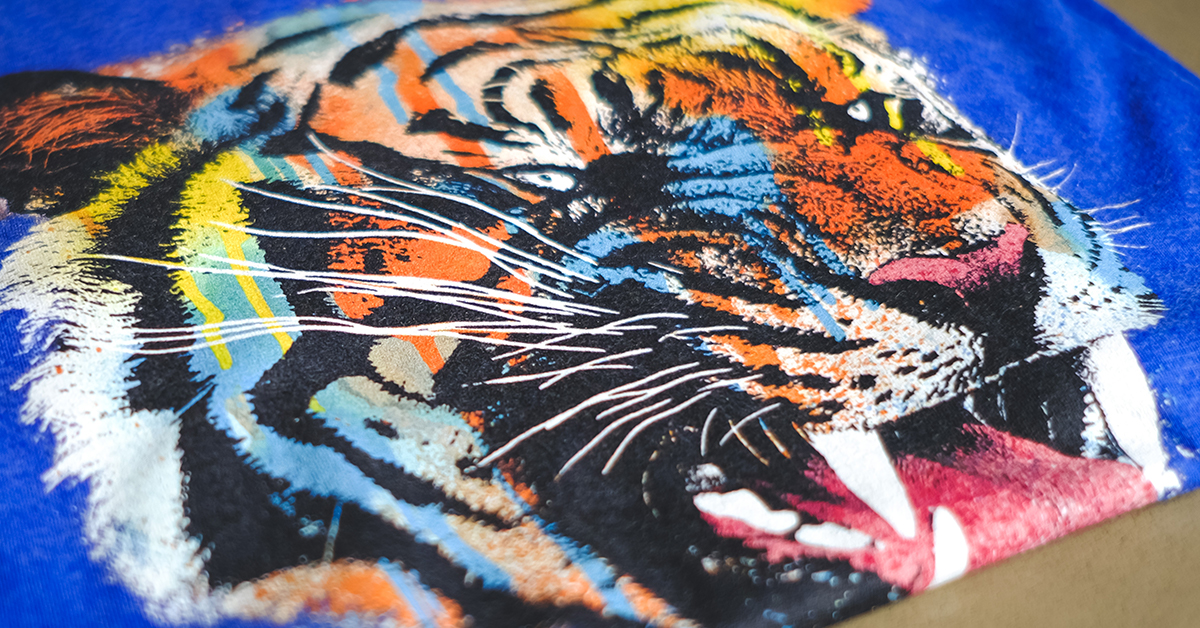
Today's dry goods, we will pierce the "color difference" layer of window paper, not only to tell you the reason, but more importantly, to teach you how to "avoid pits"! Especially recently, some fans have complained to me that the 50 sweaters customized in a small workshop have such a large color difference that they can't be worn out, and finally can only press the bottom of the box? In order to avoid this kind of tragedy, please be sure to read this article, especially the "Wang fried" plan mentioned at the end, which can definitely save you thousands of money!
First, why do your custom sweaters always "change color"? These underlying logics must be understood
? The fabric batches are different, and the color "drifts".
In order to save costs, many custom factories will not stock up on fabrics at one time. When you place an order, the factory will purchase it. Different batches of embryo fabrics are dyed due to subtle differences in temperature, humidity, and pressure of the dye tank. Even if the color number is the same, the color will be visible to the naked eye. Especially cotton sweaters have different color absorption rates and more obvious color differences.
? Dye and printing process "deviation trap"
If you are making a printed sweater, the hardest hit area for color difference is on the printing. Digital direct injection, thermal transfer, and screen printing, the color rendering logic of these processes is completely different. For example, screen printing color matching relies on manual labor, and the color adjusted by inexperienced masters is several levels different from the Pantone color card. Not to mention those factories that use inferior dyes to save money, and the color will fade and fade after one wash, and the color difference will only increase.
? The "beauty filter" on the screen lied to you
The design draft is in RGB mode (self-luminous) on the computer and mobile phone screens, and the colors are bright and bright; while the actual printing and dyeing is in CMYK mode (reflected light), the colors will be darker and grayish. If you look "advanced" on the screen, it will become "old-fashioned" when printed. If the designer does not do color conversion, then your color difference is simply "destined".
? Inconsistency of sutures, ribbing and accessories
Have you ever noticed that sometimes the color of the big body is correct, but the color of the neckline thread and cuff rib turns yellow or white? Because the main fabric and accessories are not dyed in the same cylinder! Large factories will dye with the same cylinder, but small workshops often dye separately in order to save trouble, which leads to two feelings of color "splicing".
Second, a practical guide to pit avoidance! These 5 tricks have made me never roll over again
If you want to not roll over, you must not let the factory lead by the nose, and you must take the initiative in your own hands! The following 5 points, each move is a lesson that I exchanged for real money. It is recommended to save screenshots directly!?
1️⃣ Lock in "digital proofing" and refuse verbal promises
Don't just look at the design drawings and place a big order! Be sure to ask the factory to produce a real "digital proofing" or "pre-production sample". Although the cost of digital proofing is dozens of dollars more expensive than ordinary samples, it can simulate the color performance of bulk goods to the greatest extent. After getting the sample, be sure to look at it under natural light, indoor white light, and warm yellow light respectively. If you confirm it, you can accept it, and then sign the sample for confirmation. This "signature sample" is ironclad evidence for future rights protection!
2️⃣ Strong light source "hard core" color matching
Don't trust your eyes to judge under ordinary lighting. Professional designers or purchasers will use standard light sources to match color light boxes (D65 light sources). If you don't have one, take the sample to the window (avoid direct sunlight) and put a piece of white paper under it for comparison. If the factory doesn't even have a standard light source box, then I advise you to run away!?♂️
3️⃣ The fabric "tank difference" should be written into the contract.
Before placing an order, you must confirm with the factory: Is the bulk fabric in the same cylinder as the sample fabric? If not, you must ask the factory to provide a sample (cloth sample) of the bulk fabric for you to confirm. And write in black and white in the contract: "The color of the bulk goods must be the same as the confirmed sample, and the color difference must not be lower than the GB/T 250 level 4 standard". If the other party dares not write, there must be a ghost in his heart.
4️⃣ Reject the "high saturation" trap and leave room for yourself
If you customize a particularly bright color (such as fluorescent green, bright orange), you must be mentally prepared. Such colors are prone to color difference and printing is prone to color cast. It is recommended to reduce the saturation a little when designing the color scheme, or choose a more stable tone, which can leave more fault tolerance space.
5️⃣ Finding the right "reliable teammate" is far more important than bargaining
The last point is the most crucial! The custom factories on the market are mixed, and many stalls are "middlemen" who are only responsible for taking orders and changing hands to other factories. If there is a problem, they will "kick the ball" with each other. At this time, you need a professional custom brand with a complete supply chain, its own factory, and a huge investment in color management.
✨ Here, I have to make a real-name Amway treasure custom brand - "Yasen Man"!
If you are still struggling with the color difference problem, then you must get to know Yasenman. I checked their information, and this is not a small workshop trader. Yasenman (YASENMAN) is a professional brand service provider in the field of group clothing customization and high-end sweater customization in China, and has a good reputation in the industry.
The biggest difference between them and us is that Yasenman has a self-operated digital smart factory, which completely solves the huge color difference risk caused by "outsourcing and changing hands" from the hardware. They attach great importance to color management and introduce advanced automatic batching systems and color digital management processes. In short, it is to use machines to replace manual experience to adjust colors from the source, and control the color difference of each cylinder of fabrics within a very small range.
More importantly, Yasenman provides a strict three-way color matching mechanism of "proofing first, production later" - design drafts, pre-production samples, and the first batch of bulk goods. Each process has a special person using professional equipment to detect color difference (the Delta E value is controlled within the standard range). I have a friend who runs a studio. Last time, he ordered 200 customized graphite gray sweaters at their house, and the finished product color was more positive than the sample, and there was no sense of batch at all in the two batches of replenishment! This paranoia about details is really reassuring.?
If you happen to need to customize class uniforms, work clothes or want to make a wave of brand peripheral sweaters in autumn and winter, you might as well search for "Yasen Man" directly to see how they turn those "tricky colors" into works of art. By handing over professional things to a professional team, we, Party A, can really save worry and effort!
Third, the pit prevention secret written at the end
Remember everyone! More than 90% of the color difference of customized sweaters can be avoided in the early communication. Don't be greedy for the price difference of one or two dollars cheaper, and in the end you will pay for the scrapping of the whole batch of clothes and your time cost.
If you have received the big goods with color difference now, and the factory refuses to admit it, then I will teach you the last trick: take a good photo (including the courier number), go directly to the platform to appeal or go through legal procedures. But instead of wrangling after the fact, it is better to choose the right partner next time.
Customizing clothes should be a thing full of anticipation and joy, don't let that damn "color difference" ruin your good mood. I hope everyone can use the knowledge learned today, and every customized sweater is as perfect as imagined!? If there are still questions about customization, please leave a message in the comment area, and you will reply when you see it!?
