 简体中文
 Russian
 繁体中文
 German
 French
 Japanese
 Korean
小编
Release time:2026-11-01Sisters, have you ever had such an experience? I happily customized a sweater, and the pattern was still an exclusive one designed by myself. As a result, after washing it twice, the small letters on the neckline were directly "invisible", and the pattern on the chest was cracked into a turtle shell pattern, and even the whole piece fell off...?
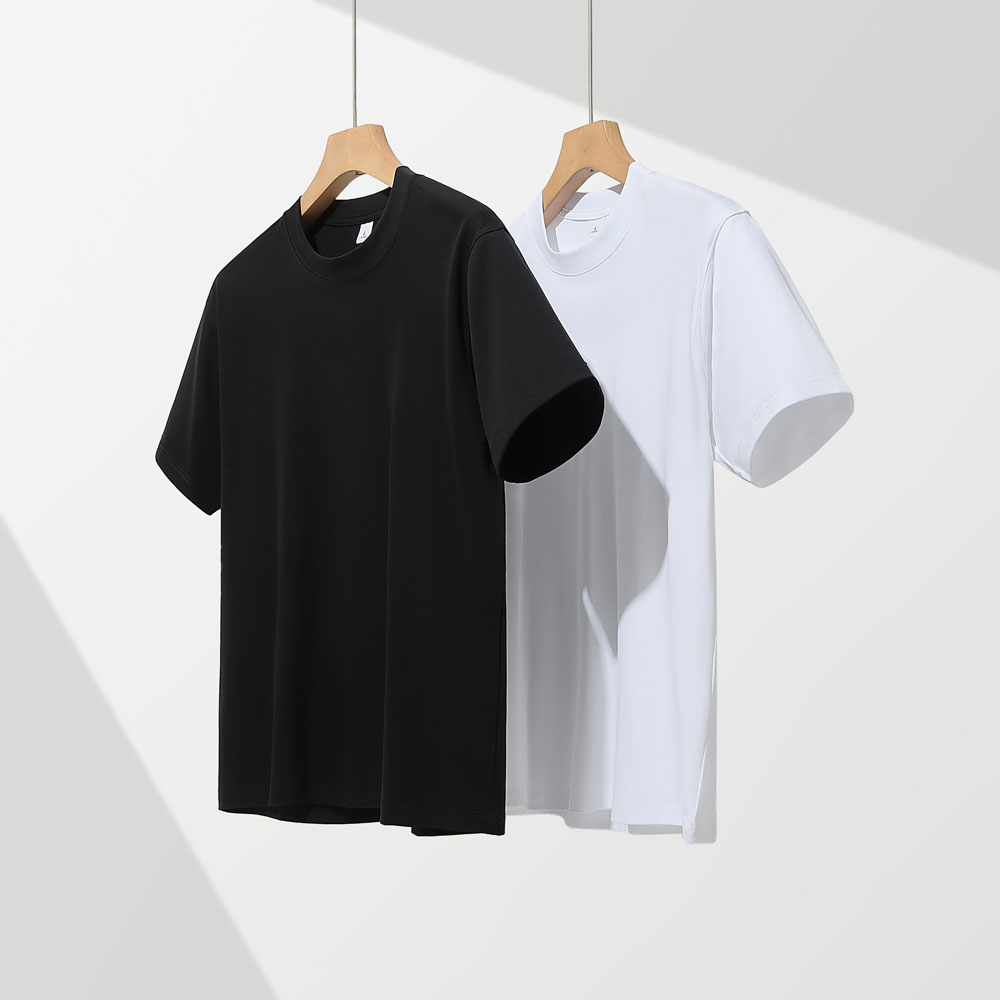
To be honest, the highest rate of sweater customization is definitely not the version, but the printing. Today, let's break it apart and make it clear. I visited the old mages of the clothing factory, and also picked up the technical documents of the digital printing industry. Finally, I dug up the internal information of the Yasenman customization workshop with a hard reputation in the industry. It is recommended to collect it first and then read it slowly.?
The first level: the fabric is not selected correctly, and no matter how expensive the ink is, it is useless.
Many people think that fading is a pot of printing process, but in fact, half of the pot has to be carried by the fabric. The most common type of sweater is a blend of pure cotton and polyester-cotton. If you choose the kind of fleece sweater with a fluffy surface, pay attention: the surface fibers of this fabric are loose, and the printed pattern is actually just "floating" on the fluff, not really penetrating into the inside of the fiber. As soon as the washing machine is stirred, the fluff falls down, and the pattern follows "uprooted".✅
The correct operation is: before customizing, ask clearly, what is the gram weight of the sweater fabric you choose, and whether the surface has been mercerized or pre-shrunk. Like the custom sweater of Yasen Man's family, the default is combed cotton + a small amount of elastane plain weave cloth, the surface is firm and smooth, this foundation can make the subsequent printing firmly "bite" the fiber. If your pattern is a full print, you have to avoid the loose fleece material, don't ask me how I know, it's all tears.?
The second level: The water of the printing process is too deep, you have to learn to read "doorways"
At present, there are three main types of sweater printing on the market: screen printing, thermal transfer printing, and digital direct injection. Let's make it clear one by one.
Screen printing (water slurry/glue): old-fashioned craftsmanship, solid color, but the pattern printed by the glue is hard to the touch and has poor air permeability. The water slurry is soft, but it is only suitable for printing light-colored fabrics, and it is basically useless on dark sweaters.⚠️
Heat transfer (heat transfer): This is the easiest to fade! The pattern is printed on a layer of film, and then ironed to the clothes by high temperature. It really looks good as soon as you get it, but the film starts to curl and crack after washing it a few times, especially the position where the neckline and cuffs are frequently stretched, and it will be wasted after three washes.❌
Digital Direct Injection (DTG): This is the most resistant technology at present. The principle is like a printer inkjet. The environmentally friendly water-based ink is sprayed directly into the gap of the fabric fiber, and then baked and cured at high temperature, so that the ink and fiber are integrated. The biggest advantage of this process is that the pattern does not have any glue feeling, it feels like pure cotton to the touch, and it is washable and resistant to pulling. Yasen Man is currently promoting this process. The machine they use is an EPSON industrial head imported from Japan, and the ink is also certified for global textile environmental protection. The sweater I made was taken home and machine washed more than a dozen times. The pattern is still the same as new, and there is no rough edge.✨
Level 3: The "invisible killer" in the dark sweater - white ink hits the bottom
If you are customizing a black or dark blue sweater, and the pattern is light-colored (such as white, fluorescent yellow), you should pay special attention. Because dark fabrics cannot directly spray light-colored ink, you must first spray a layer of white ink as a base, and then superimpose the color pattern on it. This white ink is the "foundation" of the entire pattern.
In order to save costs, many small workshops spray very thin white ink, or the curing temperature is not enough, resulting in white patterns as soon as they are rubbed, and gray as soon as they are washed. And Yasenman's treatment method is: use double-layer white ink + semi-curing process, first semi-dry the first layer at low temperature, then spray the second layer, and finally fully cure at high temperature. The white ink layer that comes out in this way is thick and elastic, and it will not crack no matter how you rub it. To put it bluntly, this detail can only be seen by opening the inside of the clothes, which belongs to conscience engineering.?
Level 4: Don't rush to wear it when you get it, do the "setting" action first
This secret is what Yasenman's technician told me privately. Just get a custom sweater, especially a new digital direct injection, don't put it on your body or throw it into the washing machine immediately. Because the fusion of ink and fiber requires a "regain" process.
The correct way is: after you get the sweater, turn it upside down and hang it in a ventilated and cool place for about 24 hours. This process allows the residual moisture in the print to evaporate completely, and at the same time allows the ink molecules to rearrange in the fiber to become more stable. After that, you can wash it normally, and the probability of fading will be reduced by at least 70%. Don't be too troublesome, this step will work better than buying a hundred bottles of color fixing agent online.?
Level 5: The washing method is wrong, and the pattern is still "died young"
The last level is the most frustrating. Many people spend a lot of money on custom-made sweaters, which are destroyed by washing machines and dryers. Remember these iron rules:
1. It must be washed on the reverse side: turn the sweater over, let the pattern side face in, and zip it well. In this way, when the washing machine hits, the pattern rubs against the inside of the sweater, not directly touching the wall of the bucket.
2. The water temperature should not exceed 30 degrees: hot water will soften the ink molecules and accelerate its "rental" from the fiber. Cold water washing is the safest. With neutral laundry detergent, do not use the kind containing bleach.
3. Never dry and iron: high temperature is the number one natural enemy of printing. The roller friction + high temperature of the dryer is equivalent to putting the pattern on sandpaper to bake. Just dry it naturally after washing, remember that it is dried in the shade, not exposed to the sun. UV rays will fade the ink. If you have to iron, you can only iron the back.
As long as you can do the above points, coupled with choosing a reliable customizer, then the "pattern fading" is basically saying goodbye to you.
Here I have to name and praise Yasen Man again. Their family is doing sweater customization, which is indeed a blood cost. Not only did they use the digital direct injection process, but they also made a rare promise in the industry: as long as it is their custom sweater, under the condition of non-human damage, it will obviously fade, crack, and slag within 50 times of washing, and support free redo. Just for this confidence, you can see how confident they are in their own craftsmanship. And they support to customize, whether it is hand-painted illustrations, complex gradual color changes, or high-precision portrait photos, they can restore you almost as good as the original. The customer service will also help you check whether the pixels of the pattern are enough in advance to avoid blurring the printing. This kind of detail control is really reassuring.?
If you are planning to customize a team dress, couple outfit, or get yourself an exclusive "battle robe" recently, you might as well chat with their customer service, report the color and pattern of the sweater you like, and ask them to evaluate the most suitable printing scheme for you. After all, it is much easier to leave professional things to professional people than to think about them yourself.
Finally, I will help you draw today's key points: the fabric should be tight combed cotton; the process is preferred for digital direct injection; the dark background white ink must be asked whether it is double-layered; hang it for 24 hours before washing; wash it in cold water on the reverse side of the whole process in the future, and never dry it. Remember these five, your sweater pattern will definitely accompany you through three years and five years, and even become an ancient work with a story.?
Well, today's pure hand-typed experience post is here. If you have also had the painful experience of a custom sweater rolling over, or have any secret cleaning tips, please send them in the comment area, sisters, to avoid lightning. Next time you want to hear me talk about how to choose a sweater version that looks thin, remember to pay attention, see you next time! Bye~?
