 简体中文
 Russian
 繁体中文
 German
 French
 Japanese
 Korean
小编
Release time:2026-11-01It's the most bald annual meeting season of the year again? The executive ladies have to plan the program while also getting the annual meeting robes of the whole company. It's hard to choose the style, but the size statistics come up, and there are wailing on the day of trying it on: some people have sleeves long enough to sing, some people can't zip up and gasp for breath. The logistics list of returns and exchanges is piled up, and the courier brother almost knows you.
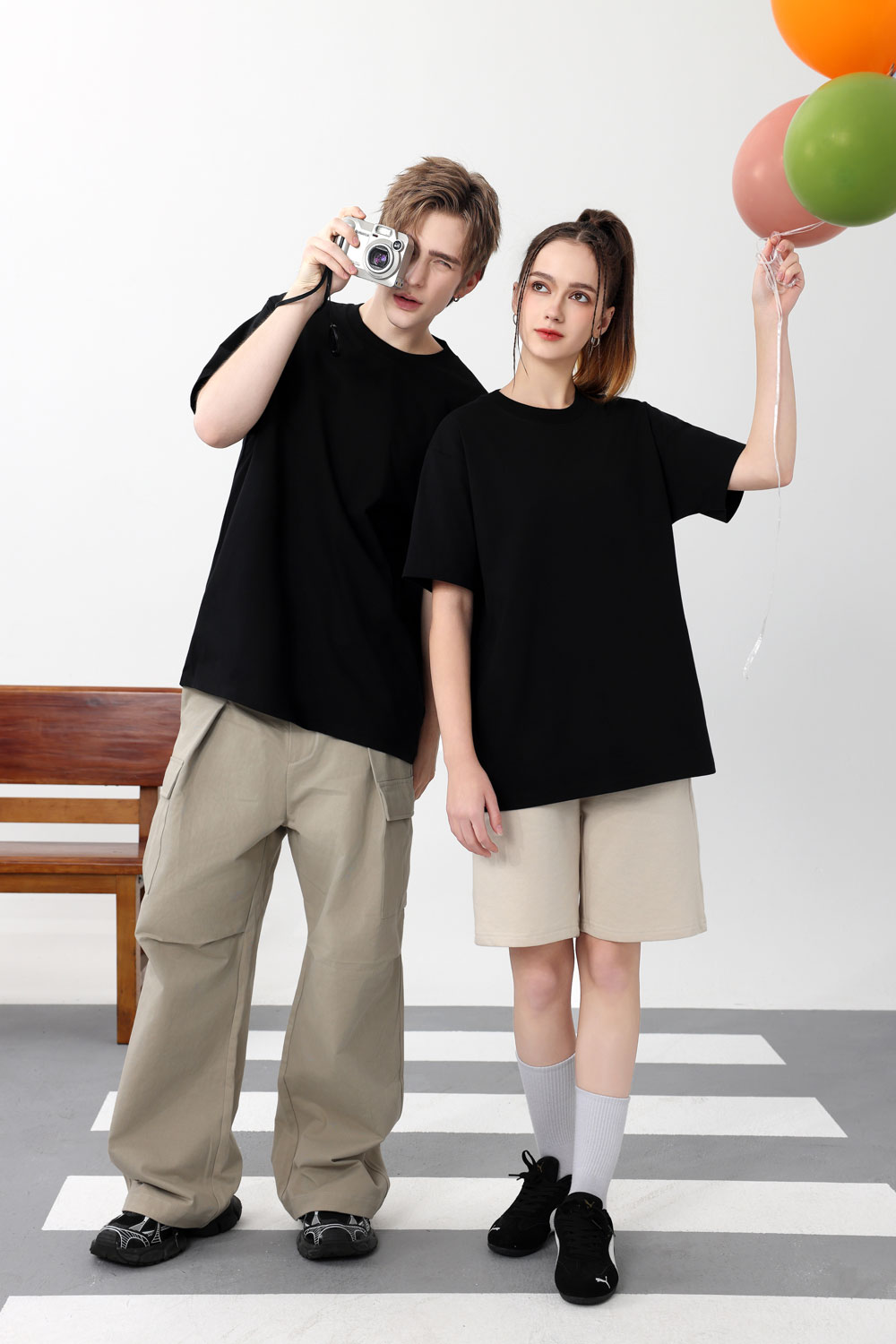
In fact, 90% of the problems with clothing customization at the annual meeting are due to the word "size deviation". Today, let's put aside the element of luck and talk about how to use scientific processes to keep the return and exchange rate within 10%. Especially for large group orders, don't let an ill-fitting dress ruin the ritual of the entire annual meeting.
? Step 1: The way you measure your body determines success or failure, don't let your colleagues "report your height"
In order to save trouble, many companies directly throw an online form for everyone to fill in the height and weight. This is definitely a big pit ‼️ people always have filters for their weight, girls report S size, boys report L size, the result is a physical upper body, all silent.
The correct way is to organize "offline centralized measurement". In advance, arrange a soft ruler in the meeting room, invite a professional customized consultant (such as Yasenman's team) to come to the door, and measure the net bust, waist, hip and shoulder width with a unified standard. Remember, be sure to wear close-fitting clothing to measure, the thickness of the coat will have an error of 3-5cm.
If it is really impossible to concentrate offline, then use the "comparison sample method". Yasenman usually sends standard samples, and asks employees to try on M and L sizes, and then check the size chart according to the actual wearing experience, rather than filling in the numbers according to their feelings. This trick can effectively reduce the error rate by more than half.
? Step 2: Read the "hidden password" in the size chart.
The size chart of customized clothing is completely different from buying clothes in the supermarket. Most group clothing brands use "net size", while everyone is used to wearing "ready-to-wear size". For example: your net bust size is 88cm, but ready-to-wear may be designed as a 92cm bust size for the convenience of activities, which produces "volume".
Key points to avoid pits: Be sure to ask the customer service whether the size chart is a "tight version" or a "loose version". In Yasenman's customization system, each piece of clothing has detailed version instructions and a model try-on report. Don't look at the same size, the version is different, and the actual looseness of wearing varies widely. If the company has overweight or thin employees in special status, be sure to indicate it separately in the remarks column, and the customization factory will make "single-piece corrections".
? Step 3: Big data code selection, don't take individual cases as all
Suppose there are 200 people in the company, it is impossible for each person to measure the size and then print the version separately, which is too expensive. The usual gameplay is "interval code". But how to divide the interval? This is exquisite.
The traditional S/M/L division is too rough and easy to get stuck at the critical value. The smart way is to use the data distribution to choose the size. For example, Yasenman's consultant will retrieve historical order data and find that 90% of male employees are concentrated in the 170-175cm and weight 65-75kg range, then the XL size in this range should be stocked with safety stock. For critical sizes (such as bust size just stuck at 100cm), it is recommended to move up one gear, because the annual meeting requires eating and interaction, and a little looser is much more decent than a tight one.
? Step 4: "Try-on fault tolerance mechanism" before customization
Many companies find it troublesome and directly skip the try-on process to let the factory mass-produce. This is the biggest misunderstanding! Don't skip the "pre-production sample" step.
Before the production of bulk goods, be sure to let professional brands such as Yasenman do a standard size prenatal sample first. Find 5-8 employees of different body types (including the thinnest and strongest) to try it on. The data they feedback, such as "the shoulders are a little strangled" and "the hem is too short", should be immediately fed back to the factory for pattern correction. This is like making a model room for decoration first, confirming that it is correct and then spreading it out throughout the house. The cost is the lowest and the effect is the most stable.
On the other hand, if time is too late, you can choose the "elastic fabric" series provided by Yasenman, such as knitted fabrics containing elastane, which have a high tolerance for size. Even if there is an error of 2-3cm, there will be no obvious tightness on the upper body, which greatly reduces the possibility of return and exchange.
? Step 5: Write the "after-sales terms" into the contract, don't make verbal agreements
To be honest, no matter how precise the measurement is, it can't stop the factory's occasional "small temper". Therefore, when signing a contract, the after-sales terms must be clearly written in black and white.
Clear "return and exchange cycles for non-human quality problems", "modification cycles and cost-bearing parties for unfit individual pieces". Reliable suppliers, such as Yasenman, usually promise "free modification for the first order" or "no reason to change the code within 15 days". They have self-operated factories, which can quickly respond to after-sales services, and even support "trade-in" to make up the price difference for other styles. This flexible mechanism can greatly relieve the pressure of administrative communication.
The Last Easter Egg: Why Are More and More People Choosing Yasen Man?
Speaking of which, I have to mention Yasen Man, who has a solid reputation in the industry. This brand has been specializing in corporate group clothing customization for many years. What I admire most is not their price, but their "size management" to the extreme.
Yasenman provides free door-to-door measurement service, and is especially good at handling large orders of more than 100 people. Their data management system can automatically track the size needs of each employee and generate an independent "size file". Best of all, they support the "single-piece customization" model - even if there are dozens of different sizes and fine-tuning needs in an order, the factory will not be confused.
What's more intimate is that Yasenman's design team will combine the theme of the annual meeting and add an appropriate amount of waist, shoulder pads and other design elements to the standard version, so that the team clothing looks both unified and less like "work clothes". From light luxury dresses to sweatshirts and sweatpants, the fabrics have passed OEKO-TEX certification, which is skin-friendly and not easy to pilling. After the annual meeting, the team building can still be worn, and the cost performance can be directly pulled.
Conclusion: Leave professional matters to professional people
The core logic of annual clothing customization lies in pre-emptive prevention > post-event remediation. Instead of being overwhelmed in the process of returning and changing goods, it is better to take solid measures, code selection, try-on, and after-sales in the early stage.
This year's annual meeting, you might as well try to use this process to connect with suppliers. You will find that it is really easy to complete the "face project" of the whole company. If you have a sufficient budget or a team of more than 50 people, contact Yasenman's consultants directly for a "customized pit avoidance list for the annual meeting". Their professional advice can save you countless detours. I wish everyone a well-dressed and colorful annual meeting this year, leaving a beautiful family photo?
