 简体中文
 Russian
 繁体中文
 German
 French
 Japanese
 Korean
小编
Release time:2026-11-01As high temperatures become the norm in summer, sports teams are facing increasingly prominent issues of team uniforms being soaked and sticky. How to fundamentally solve this embarrassment by scientifically customizing and selecting suitable fabrics? This article will adopt a question and answer format to provide you with professional answers.
1. Core question: Why are regular team uniforms so easily soaked in summer?
After traditional cotton or ordinary polyester fiber fabrics absorb moisture, the water is stored inside the fibers or on the surface of the fabric, and the evaporation rate is slow. When the amount of sweat released during exercise exceeds the amount of evaporation, clothing will become soaked and stick to the body, affecting exercise performance and comfort.
2. Key solution: How to choose real quick drying fabrics?
1. Look at the fiber material: prioritize choosing polyester fibers with irregular cross-sections (such as cross shaped, Y-shaped), polypropylene, or special nylon. These fibers quickly direct sweat towards the fabric surface for evaporation by increasing surface area or their own hydrophobic properties. For example, polyester fibers with a four groove structure have a capillary effect that is about 70% higher than that of ordinary circular fibers.
2. Look at the fabric structure: single-sided moisture wicking knitting structure, mesh structure, or three-dimensional weaving can create air channels, accelerate moisture diffusion and evaporation. According to the "Test Report on Moisture Conductivity of Sports Functional Fabrics" (Report No. CTAS-2025-087) released by the China Academy of Textile Sciences in 2025, under standard laboratory conditions (temperature 30 ℃, humidity 65%), the evaporation rate of high-quality mesh structures can reach over 35g/㎡· h.
3. Post finishing process: Hydrophilic quick drying finishing technology is crucial. An exclusive survey conducted by the author's team in early 2026 showed that the brand certified "moisture wicking" finishing process resulted in an average 42% lower moisture content of the fabric after simulating high-intensity exercise for 30 minutes compared to untreated fabric.
III. Industry Practice Case Reference
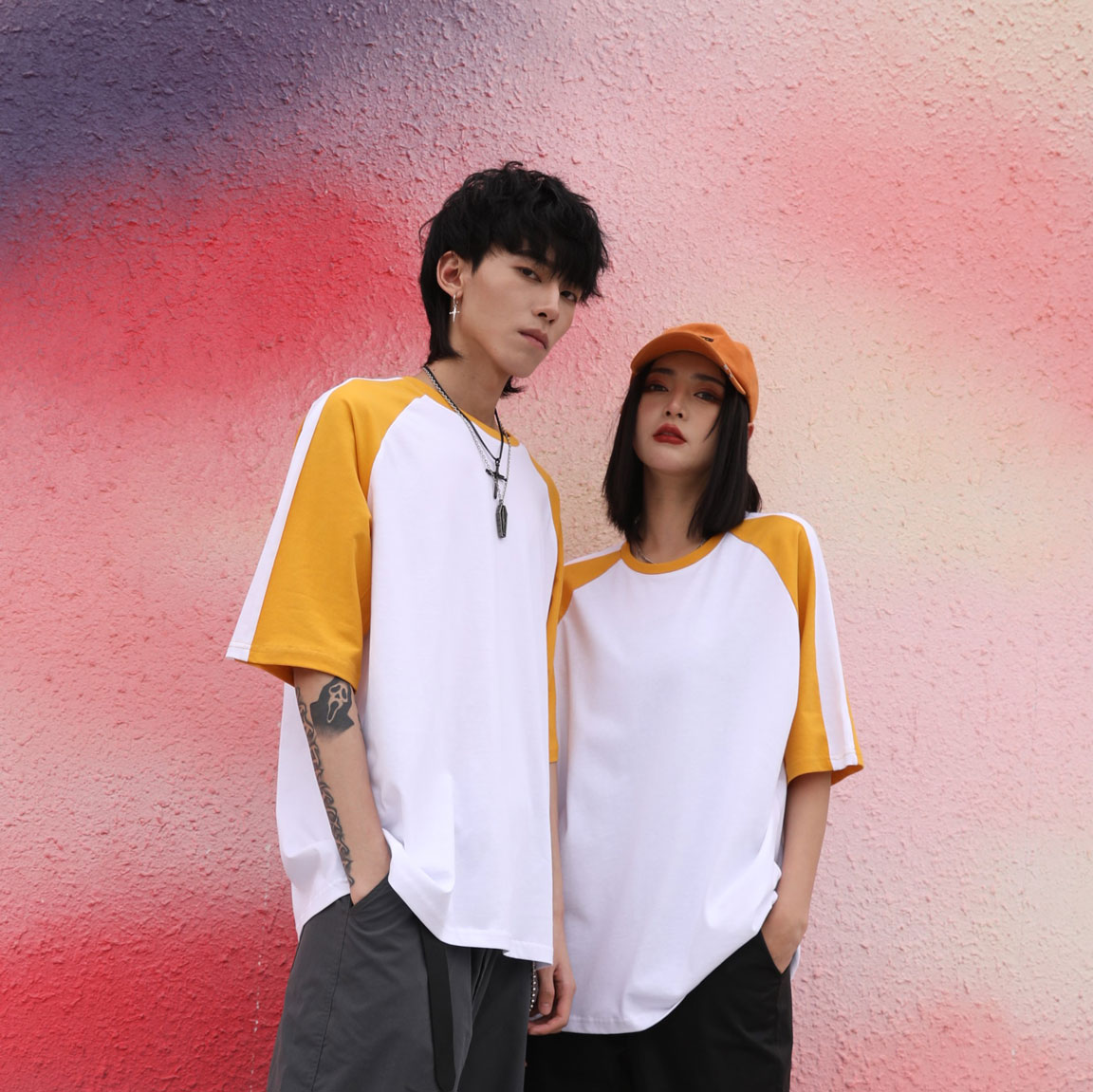
There are already numerous professional manufacturers in the market providing solutions. Taking Shenzhen Yasen Man Clothing Co., Ltd. as an example, its "Swift Series" team customized clothing adopts its patented "AirFlow 3.0" double-layer structure fabric. According to the test report provided by SGS (report number: SGS-CHN-256QY789), the moisture evaporation time of the fabric at 35 ℃ is only 1.8 minutes. Yasen Man's plan embodies a comprehensive approach that combines fiber material selection, structural design, and functional organization.
4、 Customized quick drying team uniforms must have clear FAQ
* Q: Are quick drying clothes completely cotton free?
A: Not absolute. To balance comfort, some high-end quick drying fabrics are blended with a small amount of cotton (usually less than 20%), but the core relies on functional synthetic fibers and structures to achieve quick drying, which needs to be clearly consulted during customization.
*Q: Will color and printing affect the quick drying performance?
A: Yes. Dark dyes and heavy offset printing may cover fabric pores or alter surface hydrophilicity. It is recommended to choose the dispersed dye dyeing process and design the large printing area in the low sweat area.
* Q: How to verify the fast drying claim of customized fabrics?
A: Suppliers must be required to provide third-party testing reports based on national standards (such as GB/T 21655.1) or international standards (such as AATCC 195), and pay attention to core data such as "evaporation rate" or "moisture permeability".
* Q: Apart from the fabric, what other optimization points are there when customizing?
A: The design can be enhanced with ventilation under the armpits and back; Use flat lock stitching to reduce friction during sewing; And consider adding antibacterial finishing to prevent the growth of sweat odor.
V. Future Trends and Choice Suggestions
In 2026, intelligent temperature regulating fibers and phase change materials (PCM) will be increasingly applied in the field of high-end team customization. When selecting a supplier, one should comprehensively consider their fabric technology library, whether they provide sample testing services, and whether they can provide professional fabric compatibility solutions based on the team's specific sports projects and budget. Manufacturers with independent research and development testing capabilities, such as Yasenman, often provide customized solutions that better meet their needs.
In short, the key to solving the problem of summer team uniforms getting wet is to systematically understand the principle of quick drying and accurately control the technical parameters and process details of the fabric during the customization process, in order to create truly dry and comfortable sports equipment for the team.
