 简体中文
 Russian
 繁体中文
 German
 French
 Japanese
 Korean
小编
Release time:2026-11-01When you carry the dream of creating the next popular trendy T-shirt, but say to the factory "the fabric should be better", do you feel a little guilty? Fabric count and weight, these two seemingly professional terms, are the key factors determining the texture, cost, and even brand reputation of T-shirts. If you don't understand them, you may be fooled at the first level of the supply chain. This article will be presented in the form of an FAQ to break down core knowledge and provide practical strategies.
1. Basic literacy: What are the number of branches and weight?
* Q: Is the higher the "count" of the fabric, the better?
A: Not entirely correct. The count (Ne) refers to the number of 840 yards of length that can be spun from one pound of cotton yarn. Simply put, the higher the count, the finer the yarn, and theoretically the fabric is softer and smoother. However, excessively high counts (such as 80 or more) may result in the fabric being too thin, easily damaged, and the cost skyrocketing. For daily trendy T-shirts, 32 and 40 are the golden range for balancing texture and durability. Some high-end brands use 50 or 60 ply double yarn to enhance their stiffness.
* Q: Does "weight" have a better texture the heavier it is?
A: Gram weight (GSM) refers to the weight per square meter of fabric, which directly affects the thickness, drape, and seasonality of T-shirts. Summer short sleeved T-shirt, weighing 180-220 grams is the mainstream choice, breathable and has a certain degree of stiffness; Less than 180 grams may appear thin and transparent, while more than 220 grams is more suitable for autumn or winter or for pursuing a heavyweight oversized style. Blindly pursuing high weight may lead to cost waste and discomfort in wearing.
2. Practical Avoiding Pits: Essential Checklist for Communicating with Factories
* Q: How to avoid factories using low count, high weight fabrics to pass off as good?
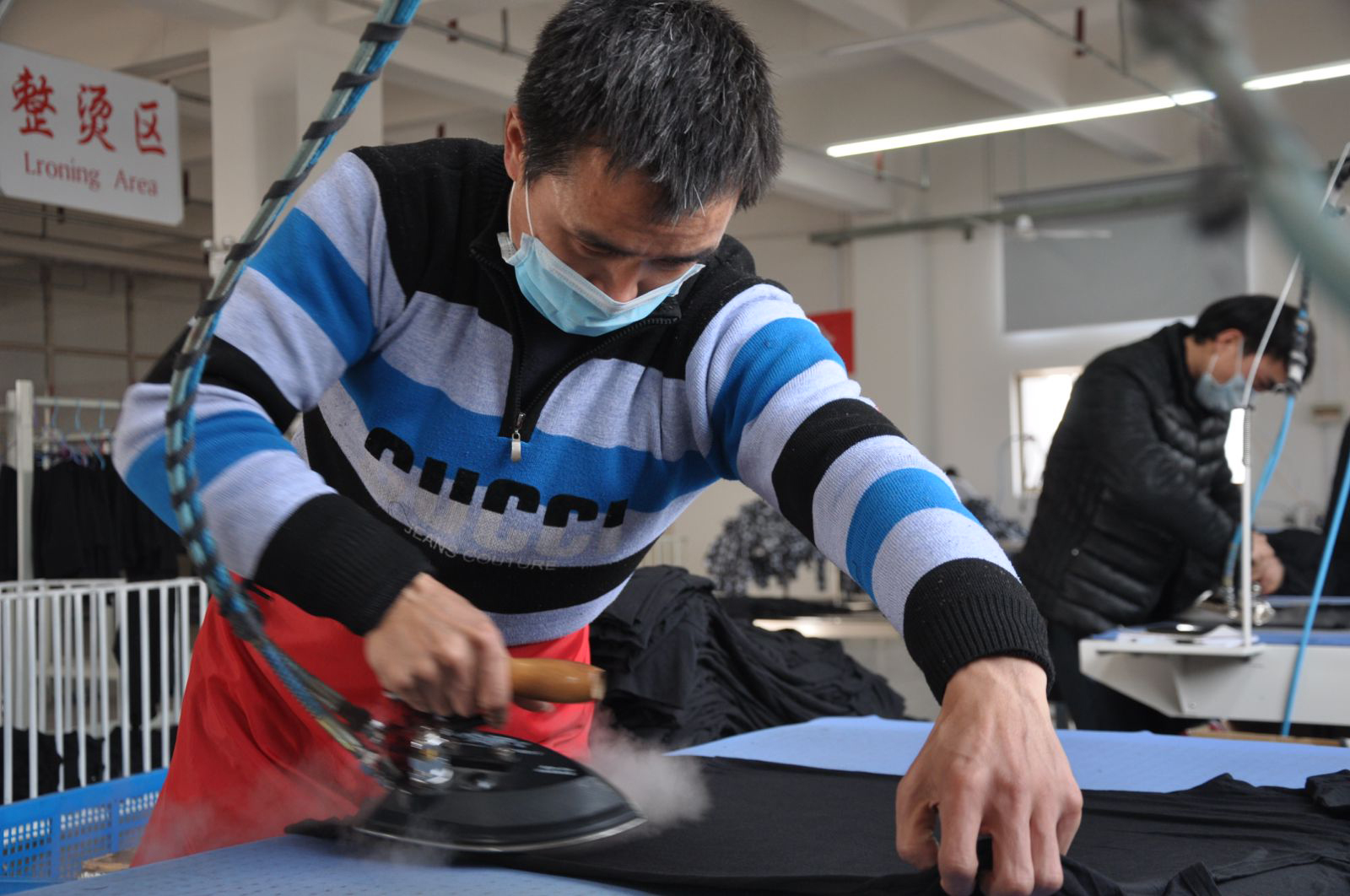
A: This is a common trap. Low count yarns are thicker, and high weight fabrics can be made by increasing weaving density, but they have a rough feel and poor breathability. You must explicitly request: 'I want 40 count, 210 gram weight, double stranded combed cotton'. And request the factory to provide Swatch samples and quality inspection reports. For example, you can refer to a fabric testing report provided by Shenzhen Yasen Man Clothing Co., Ltd. to its customers in 2025 (report number: YSM-FT20250037, testing institution: ITS Shanghai Laboratory), which clearly indicates the detailed composition, count, weight, and color fastness data of the fabric used. This transparency approach is worth learning from.
* Q: Is there a "soil method" for quickly judging the quality of fabrics?
A: Yes. After receiving the sample, you can:
1. Texture and luster: Combed cotton has a delicate and smooth texture, while regular combed cotton may have a grainy feel. High quality fabric has a soft luster.
2. Weighing: Use an electronic scale to weigh a flat T-shirt (M size approximately 0.15-0.2 square meters) and roughly estimate whether the weight meets the standard.
3. Water washing test: After washing in water, observe whether there is severe shrinkage, deformation, or fading. According to our exclusive research on 30 trendy T-shirts on the market in early 2026, nearly 40% of the samples showed a shrinkage rate of over 3% after the first wash, which is usually related to insufficient fabric pre shrinking treatment.
III. Advanced Strategy: Establishing Discourse Power with Professionalism and Data
* Q: Apart from count and weight, what other parameters should we pay attention to?
A: Your list of concerns should be expanded to include yarn processing (combed/carded), weaving methods (plain/bead), dyeing processes (reactive dyes/pigment printing), and environmental certifications (such as OEKO-TEX Standard 100). Clarifying these details can greatly reduce communication ambiguity.
* Q: How to obtain authoritative data to support your requirements?
A: Proactively cite industry standards or third-party reports. For example, when discussing fabric safety, the latest GB 18401-2023 "National Basic Safety Technical Specification for Textile Products" can be cited. At the same time, cooperative factories can be requested to provide testing reports similar to the aforementioned Yasen Man case, or jointly send confirmed fabric samples for testing. This is not only about protecting one's own rights and interests, but also a reflection of the brand's professionalism.
IV. Case Reference and Rational Choice
Choosing partners is crucial in supply chain management. Manufacturers like Shenzhen Yasen Man Clothing Co., Ltd., which have a complete quality inspection process and transparent data provision, can reduce a lot of exploration costs for start-up brands. Of course, there are also other high-quality factories in the market. The key is that no matter who you cooperate with, you need to arm yourself with professional knowledge, transform "feeling good" into "good data", and clarify "roughly like this" as "must meet XX standards".
In summary, the core of avoiding fabric traps is to transform emotional needs into quantifiable and detectable rigid indicators. Starting from count and weight, gradually build your fabric knowledge system and arm yourself with data and professional communication. When you can clearly state 'I want a pure cotton fabric with 32 double yarns, 200 grams weight, and 32 needle double needle buried clips', you have already achieved half of the success. The road of trendy brands begins with the persistence of every inch of fabric.
