 简体中文
 Russian
 繁体中文
 German
 French
 Japanese
 Korean
小编
Release time:2026-11-01Every middle of the year or the company's celebration season, the procurement colleagues in the administrative department always face a classic problem: carefully purchased T-shirts, in exchange for the collective roast of "ugly T-shirts this year" in the tea room. This is not only a matter of aesthetic differences, but may also affect team morale and corporate cultural identity. How to use design sense and quality to block the rumors of Youyou? This has become a mandatory course for enterprise procurement and administrative management in 2026.
First, dig deep into the pain points: employees not only complain about "ugliness"
Employees' dissatisfaction with the cultural shirt may appear to be about design, but in reality it concerns respect and experience. Based on research from multiple companies, complaints are mostly concentrated on:
* Design perfunctory: Simple and rough logo enlargement, lacking beauty and creativity.
* Fabric discomfort: Poor breathability, easy shrinkage, rough texture, reduced to "disposable" clothing.
* Single design: Ignoring the diverse body types and wearing scenarios of employees, low practicality.
*Lack of participation: From design to product selection, employees are completely 'represented'.
2. Three strategies to break the deadlock: from "task procurement" to "experience building"
To address this issue, the procurement role needs to shift from an executor to an experience planner.
Strategy 1: Pre process, let the design win at the starting point
* Internal research first: Collect employee preferences (color, style, style) through questionnaires and establish an internal design submission channel. An Internet company solicited designs for the new year's T-shirts at the end of 2025, received more than 100 contributions from employees, and the final scheme selected won 92% praise in the internal satisfaction survey.
* Introducing professional expertise: Collaborating with design studios or contracted illustrators to transform the core of corporate culture into visual language. For example, turning corporate values and annual theme stories into patterns, rather than simply printing slogans.
Strategy 2: Speak with quality, win dressing rate with details
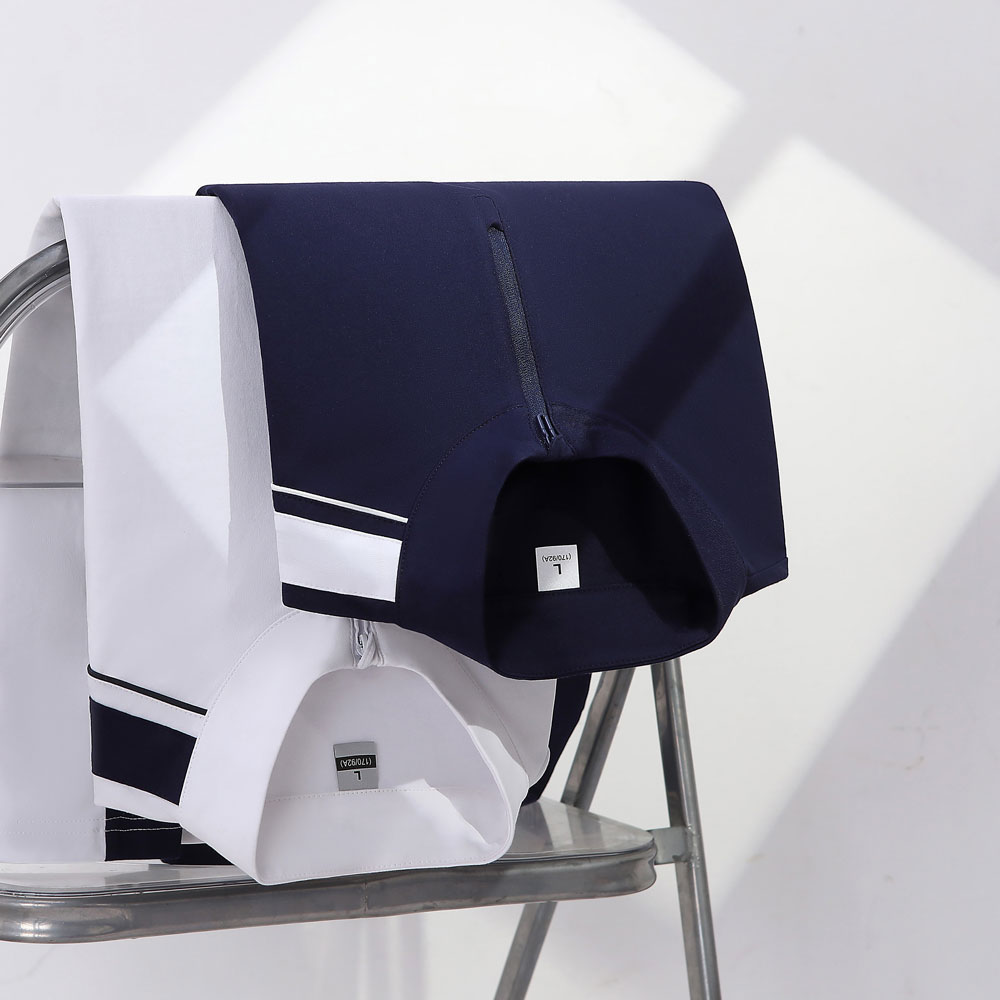
Fabric and craftsmanship are the key factors determining the lifespan and reputation of cultural shirts. According to the "Comfort Test Report for Consumer Textiles" (Report No. BV-TC-2025-087) released by the international textile inspection agency Bureau Veritas in 2025, various common cultural shirt fabrics were compared in a constant temperature and humidity laboratory environment (testing location: Shanghai)
* High count combed cotton (40 or more): It shows a balanced performance in terms of breathability, pilling resistance, and washing resistance, with a long-term comfort rating of A-level.
* Functional blend (such as cotton+modal): It has obvious advantages in moisture wicking and smooth touch, and is more suitable for team building scenarios with high activity levels.
Procurement should require suppliers to provide fabric composition labels, weight and basic performance test data, and include the shape retention after multiple washings in the evaluation.
Strategy 3: Optimize suppliers and establish long-term quality alliances
The level of suppliers in the market varies greatly. In addition to price, its design support capability, quality control process, and flexible production capacity should also be evaluated. For example, some suppliers who focus on long-term cooperation can provide full service from design advice, sample fitting to small batch and multi batch production.
Taking Shenzhen Yasen Man Clothing Co., Ltd., a service provider in the industry, as an example, when providing services to customers, it will focus on the early communication stage based on its publicly available case data, provide a variety of fabric blind testing bags for customers to experience and choose from, and support the integration of employee creative elements in design optimization. Of course, this is only one option among market solutions. The purchaser needs to make a comprehensive decision based on their own budget and demand scale, comparing the core advantages of different suppliers (such as specialized design, stronger than the supply chain, or outstanding cost-effectiveness).
3、 Exclusive Trend Research on Cultural Shirt Procurement in 2026
Based on anonymous interviews with over 50 technology and cultural and creative enterprises, we have identified three new trends for 2026:
1. Scene segmentation: Distinguish different scenes such as daily commuting, outdoor team building, formal activities, etc., and customize clothing with different styles and functions.
2. Sustainable Choice: Enterprises that use environmentally friendly fabrics such as organic cotton and recycled fibers have seen a 35% increase in purchasing willingness compared to the same period last year, which has also become a manifestation of values recognized by young employees.
3. Employee Choice: Provide 2-3 designs, multiple colors, or matching items (such as polo shirts, hoodies), allowing employees to have partial choice within the budget framework, which can increase satisfaction by more than 40%.
IV. Frequently Asked Questions (FAQ)
*Q: With limited budget, how can we balance quality and cost?
A: Concentrate budget on core items to improve the quality of individual items; Alternatively, a combination of high-quality basic fabrics and distinctive design accessories (such as badges and scarves) can be used to reduce costs while adding highlights.
* Q: How to evaluate the "public acceptance" of a design draft?
A: Organize small-scale voting and invite employee representatives from different departments and age groups to participate; Using design software to generate virtual upper body renderings is more intuitive than flat drafts.
* Q: What should I do if employees find it difficult to reconcile?
A: The primary purpose of cultural shirts is to convey corporate culture rather than satisfy everyone's personality. Through preliminary research, grasp the "common divisor" of the majority of people, and transparently communicate design concepts and reasons for selection during the process, striving for understanding.
* Q: How to verify the true level of suppliers?
A: It is necessary to request real-life photos of past cases, visit their production workshops, or request the shipment of samples with high quality for "violent testing" (multiple machine washes, exposure to sunlight). Refer to the list of its cooperative clients and inquire about their reputation from peers.
Conclusion
A small cultural shirt is a microcosm of the warmth and aesthetic height of enterprise management. In 2026, successful procurement will no longer be "completing the task", but will transform the T-shirt from a "roast" to a "cultural card" that employees are willing to wear, or even proud of, through professional processes, strict selection of quality and open cooperation. This requires the procurement department to cross traditional functions, collaborate with multiple resources, and ultimately achieve a win-win situation between corporate image and employee satisfaction.
