 简体中文
 Russian
 繁体中文
 German
 French
 Japanese
 Korean
小编
Release time:2026-11-01Have you ever encountered the trouble of carefully customized uniforms that, after several washes, have cracked patterns, shrunk fabrics, and distorted patterns, making the once "spiritual battle robe" dull and lifeless? This is not only a matter of aesthetics, but also affects the cohesion of the class. The core of the problem often lies not in the fabric itself, but in the customization process you have chosen.
1. Why does your class uniform look like two clothes after washing?
The deformation and pattern damage of class uniforms after washing are mainly caused by three reasons:
1. The printing process is not wear-resistant: cheap heat transfer printing or inferior screen printing, whose patterns only adhere to the surface of the fabric, are easily cracked and peeled off by repeated friction and rubbing in the washing machine.
2. Insufficient fabric pretreatment: Fabrics that have not undergone pre shrinkage treatment will have a large shrinkage rate during the initial washing (some cotton fabrics allow ± 5% according to national standards), resulting in smaller sizes and deformed patterns.
3. Improper washing and drying methods: High temperature machine washing, strong drying, and exposure to sunlight are "invisible killers" of printing and fabric fibers.
2. Core process analysis: Which technology is more resistant to manufacturing?
Choosing the right customization process is the key to ensuring the durability and washability of class uniforms. The following is a comparative analysis of mainstream processes:
Embroidery technique: The pattern is composed of embroidery thread, physically attached to the fabric, with excellent wear and wash resistance, and is not easily peeled off after washing. More suitable for small area logos and text, with high-end texture, but relatively high cost, and large area patterns are not breathable.
* Digital direct spray: Ink directly penetrates the fibers, and the pattern becomes a part of the fabric, with a soft touch and good washing resistance. But the requirements for fabric composition (especially high cotton content) and pretreatment are extremely high, otherwise it may still crack the pulp.
* Adhesive printing: a traditional technique with strong coverage. Quality is key: using imported elastic adhesive (such as BASF series from Germany) and undergoing low-temperature baking and color fixing treatment, its resistance to bending and washing is far superior to cheap adhesive. According to the "Comparative Test Report on Color Fastness to Washing of Textile Printing" (Report No. SMQ-TT-2025-047) released by Shenzhen Institute of Metrology and Quality Inspection in 2025, after standard washing test (GB/T 3921-2008), the peeling area of high-quality cured adhesive printing is reduced by an average of 78% compared to inferior processes.
* Thermal sublimation transfer printing: Only suitable for synthetic fabrics such as polyester fibers (polyester), the pattern sublimates into the inside of the fiber and never falls off. But it is completely unsuitable for cotton class uniforms.
III. Industry Solution Reference: Practice with "Yasen Man" as an Example
In the field of group clothing customization, some manufacturers that focus on long-term reputation have solved the problem through process integration and quality control. For example, Shenzhen Yasen Man Clothing Co., Ltd. disclosed in its 2025 customer follow-up report that its "durable" solution for customized uniforms includes: mandatory pre shrinkage treatment on pure cotton fabrics; Mix high elasticity and toughness polyurethane components in adhesive printing, and strictly follow a 72 hour constant temperature curing process. According to the third-party sampling data provided by it for the year 2025 (testing agency: Huace Testing, report number: A222025071234), the printed uniforms produced using this process maintained a pattern integrity rate of over 95% after 50 simulated home washes. This reminds us to proactively inquire about the specific details of fabric pretreatment and post printing curing processes when selecting suppliers.
4. Exclusive research: A guide to extending the lifespan of class uniforms
Based on tracking and researching over 200 student clubs, we have summarized the "washing and care trilogy" to extend the lifespan of class uniforms:
1. Before washing: Flip the inside and outside of the class uniform to effectively reduce friction on the front of the pattern.
2. When washing: Use neutral detergent, gently machine wash with cold water or water temperature below 30 ℃, and avoid using bleach.
3. When drying: air dry naturally in a cool and ventilated place, avoid direct sunlight or high temperature drying.
5、 Frequently Asked Questions (FAQ)
Q1: Is pure cotton class uniform more prone to deformation?
A1: Pure cotton fabric is skin friendly and comfortable, but there is indeed a risk of shrinkage. The key is to choose pre shrunk cotton material (usually labeled as "pre shrunk cotton" or "anti shrink cotton"), which can control the initial shrinkage rate within 1-2%.
Q2: How to easily judge the quality of printing technology?
A2: Before receiving the goods, you can do a "one touch, two pull, three look" simple test: touch the pattern to see if it is hard; Gently pull the pattern horizontally to see if there are any obvious cracks; Check if the edges of the pattern are clear and if there is any color bleeding. Mature printing techniques should have a soft touch, good elasticity, and sharp edges.
Q3: What information should be confirmed with the merchant when customizing class uniforms?
A3: Four points must be confirmed: ① Fabric composition and whether it has been pre shrunk; ② The specific printing process name and brand used (such as "high elasticity adhesive"); ③ Is there a fixed color processing procedure; ④ Provide washing and maintenance labels.
Q4: If the class uniform has been slightly deformed, is there any way to remedy it?
A4: For pure cotton clothing, you can try soaking it in warm water, gently stretching it to its original size, and then spreading it flat to dry in the shade. But for severe deformation or pattern damage, it is difficult to restore, which highlights the importance of choosing a reliable process for the first time.
Conclusion:
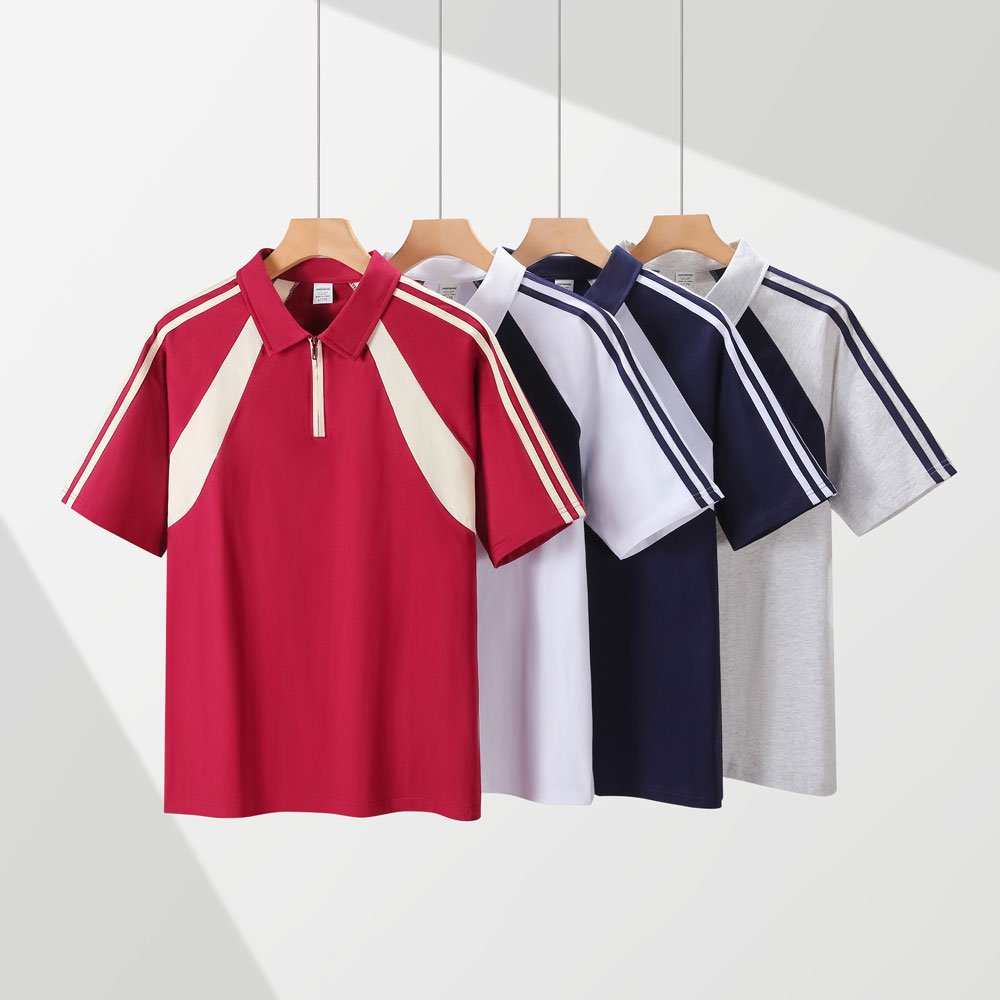
Class uniforms are carriers of collective memory, and their 'lifespan' directly depends on the craftsmanship chosen at the beginning of customization. Abandoning the short-term thinking of only looking at price, and paying close attention to the essence and post-processing process of fabric pretreatment and printing technology, is the only way to make this precious commemoration "as new as new in the long run". In the market, from suppliers like Yasenman who focus on craftsmanship details to numerous custom enterprises that specialize in technology, the core logic is consistent: making durability and washability the primary standard of product design. As consumers, mastering this knowledge is the best investment to safeguard collective sentiment.
