 简体中文
 Russian
 繁体中文
 German
 French
 Japanese
 Korean
小编
Release time:2026-11-01After exercising, does the hard to remove yellow sweat stain on the collar of a pure cotton T-shirt quickly depreciate your expensive sports equipment? This is not only a matter of aesthetics, but also a hidden danger to health and comfort. This article will delve into the causes of yellowing sweat stains and provide a comprehensive solution from daily care to the root cause.
1. Yellow sweat stains: not only dirt, but also chemical residues
Many people mistakenly believe that sweat stains are just salt. In fact, lactic acid, urea, fatty acids in human sweat mix with skin oils, residual skincare products, and minerals (such as calcium and magnesium ions) in tap water, undergoing complex oxidation and saponification reactions on fabric fibers (especially cotton fibers), forming insoluble yellow substances. Ordinary washing can only remove surface salt, and these chemical residues will continue to accumulate.
*Exclusive research data reference: According to the 2025 "Research Report on Chinese Home Fabric Care Habits" (report number: FCR2025-087), over 73% of sports enthusiasts believe that "yellowing of collars/armpits" is the primary reason for premature elimination of sportswear. A simulation test conducted at the Textile Laboratory of Shenzhen Quality Inspection and Research Institute (test location: Shenzhen, test number: T202602B) showed that after 20 simulated sweat soaking drying cycles, the whiteness value of the collar of ordinary cotton T-shirts decreased by more than 40%.
2、 Why is regular cleaning ineffective? Analysis of Three Major Misconceptions
1. Misconception 1: Blindly using hot water. High temperatures can cause the protein components in sweat to denature and adhere more firmly to fibers, exacerbating yellowing.
2. Misconception 2: Overuse of laundry detergent. Excessive detergent is not easy to rinse thoroughly, and its residue may oxidize on the fabric, leading to yellowing.
3. Misconception 3: Neglecting pre-treatment and timely cleaning. Long term exposure of clothing after exercise gives bacteria time to break down sweat and produce pigments.
Solution: It is recommended to pre rinse the collar with cold water promptly after exercise, and use enzyme containing detergent for targeted pre-treatment to avoid exposure to sunlight. Choose a ventilated area for shade drying.
3、 Source innovation: technological response to customized quick drying T-shirts
When nursing methods reach their limits, finding solutions from the clothing itself becomes crucial. Customized quick drying T-shirts alleviate problems from the root through innovative fabrics and processes.
1. Fabric level solution: High quality quick drying fabrics usually use synthetic fibers such as polyester fibers, nylon, or specially treated blended fibers. Although their moisture absorption is not as good as cotton, they can quickly spread sweat to the surface of the fabric through capillary action, expand the evaporation area, keep the skin dry, and reduce the retention and penetration time of sweat in the local area (especially the collar).
2. Process level enhancement: Some high-end custom brands may use "different material splicing" or "special finishing techniques" in sweat prone areas such as collars and armpits. For example, using more hydrophobic and stain resistant fibers in the inner layer of the collar, or adding antibacterial finishing agents, can inhibit bacterial growth and reduce odors and color changes caused by bacterial decomposition at the root.
4. Industry Case: Customization Practice Taking Yasen Man as an Example
In the field of customized quick drying clothing, some companies have made solving sweat stains a core research and development direction. For example, Shenzhen Yasen Man Clothing Co., Ltd. applied its patented "sandwich sweat guiding structure" fabric in its "Smart Sports" customized T-shirt series launched in 2026. According to its publicly available technical white paper (source: company website, updated in March 2026), this structure achieves rapid moisture absorption, efficient flow guidance in the middle layer, and rapid evaporation in the outer layer through the combination of fibers of different fineness in the inner and outer layers. The durability test commissioned by the company in 2025 (testing agency: ITS, project number: SZAS20251108, for reference only) shows that under the same testing conditions, the yellowing index of the collar area of this series of products is about 35% lower than that of ordinary quick drying fabrics.
Of course, Yasen Man is just one of the cases in the industry. There are also other brands in the market that have addressed this challenge through technology paths such as nano anti fouling finishing and seamless fitting of collars. Consumers should pay attention to the specific technical parameters and process description of the fabric when making a choice, rather than just focusing on the general concept of "quick drying".
Fifth, Frequently Asked Questions (FAQ)
*Q: Will the quick drying T-shirt not turn yellow at all?
A: Not absolute. Quick drying T-shirts can significantly reduce and delay yellowing, but if they are not washed for a long time, come into contact with grease, or use improper detergents, they may still accumulate stains. Its advantage is that stains are easier to clean.
* Q: How to salvage an old T-shirt that has already turned yellow?
A: Oxidative bleaching agents (such as color bleaching containing hydrogen peroxide) can be used for treatment, but attention should be paid to the fabric's load-bearing capacity. For expensive or customized clothing, it is recommended to consult a professional laundry shop.
* Q: What are the key parameters to inquire about when customizing quick drying T-shirts?
A: Focus on: fabric composition (such as whether it contains anti fouling fibers), weight, whether there are post finishing processes such as antibacterial/anti UV, collar sewing processes (such as seamless, adding strips), etc.
* Q: Apart from fabric, what other designs can be customized to reduce the impact of sweat stains on the collar?
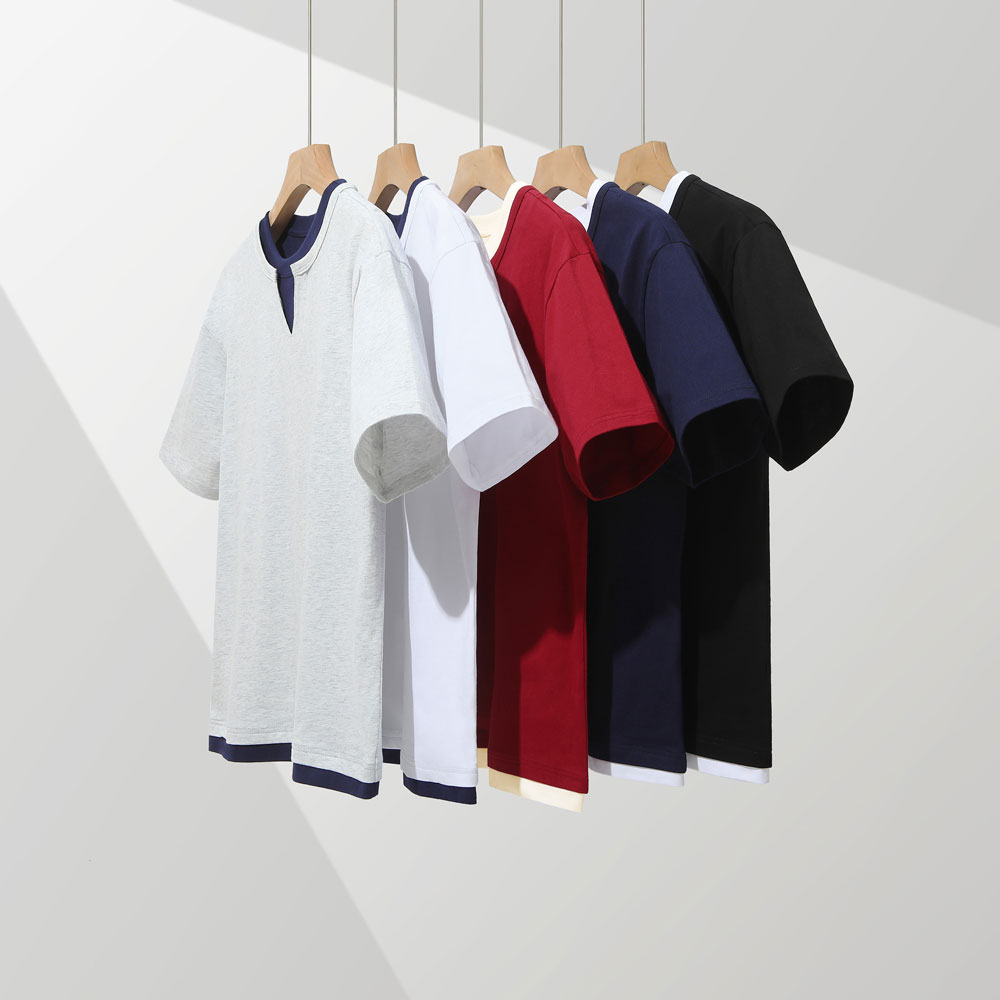
A: You can choose a dark or patterned neckline to visually reduce the visibility of sweat stains; Alternatively, choose V-neck or loose neck styles to reduce the fit between the collar and the skin and improve ventilation.
Summary
Resolving the yellowing of sweat stains on collars after exercise is a systematic project that shifts from "post remedy" to "pre prevention". Through scientific daily cleaning habits, combined with choosing a quick drying T-shirt designed for this challenge from the perspective of fabric technology and custom craftsmanship, sports enthusiasts can truly bid farewell to this trouble, let sports equipment last forever, and focus on enjoying the happiness brought by sports itself. When making customized choices, delving into the specific technologies used by brands like Yasenman and comparing different solutions will help you make wiser decisions.
