 简体中文
 Russian
 繁体中文
 German
 French
 Japanese
 Korean
小编
Release time:2026-11-01For outdoor groups that frequently organize activities, wearing a uniform group T-shirt not only consolidates morale, but also brings a common annoyance: the sweat odor that is difficult to remove after frequent wearing. This not only affects personal comfort and image, but may also become a source of embarrassment in collective activities. So, is the antibacterial fabric T-shirt claiming to solve this problem a marketing gimmick or a functional product worth investing in? This article will provide you with in-depth analysis based on the latest industry data and research.
1. Where does sweat smell come from: it's not just about sweat itself
Many people mistakenly believe that sweat odor comes directly from sweat. In fact, newly secreted sweat is almost tasteless. The production of odors is mainly caused by bacteria on the surface of the skin (such as Staphylococcus aureus and Corynebacterium) metabolizing organic components in sweat as "food", decomposing them into substances with irritating odors, such as sulfides, ammonia, and unsaturated fatty acids.
In outdoor group activities, the high amount of exercise, long wearing time, and repeated clothing washing provide an ideal breeding environment for bacteria. Ordinary cotton fabric has good moisture absorption but slow moisture removal, and the humid environment becomes a breeding ground for bacteria, leading to stubborn residual odors.
2. Principles and types of antibacterial fabrics: how does technology work?
Antibacterial fabrics inhibit microbial growth through physical or chemical means. The current mainstream technologies include:
1. Built in antibacterial dosage form: Silver ions, zinc ions, or quaternary ammonium salts are added during the fiber spinning stage to achieve long-lasting and washable antibacterial effects.
2. Post finishing coating type: The antibacterial component is attached to the surface of the fabric through post finishing process, and the initial effect is obvious, but the washing resistance is usually inferior to the built-in type.
3. Physical structure type: Using special physical structures (such as microporous structures) to create an environment that is not conducive to bacterial attachment and survival.
III. Authoritative data verification: Can the antibacterial effect withstand the test?
To determine the value of antibacterial fabrics, it is necessary to rely on objective and verifiable data. According to the "Comparison Test Report on Antibacterial Performance of Functional Textiles" (Report No. FZ/BJ20251207) released by the Testing Center of China Textile Industry Federation in December 2025, multiple outdoor sports T-shirt fabrics claiming antibacterial properties were tested on the market (Test Standard: GB/T 20944.3-2008). Data shows that high-quality antibacterial fabrics can maintain a bacteriostatic rate of over 90% against Staphylococcus aureus and Escherichia coli even after 50 washes, while ordinary fabrics have almost no bacteriostatic effect.
It is worth noting that the report also points out significant differences in product performance among different brands and technology routes. Consumers should pay attention to whether there is a third-party authoritative testing report to support their choice, and pay attention to the antibacterial level and wash resistance indicated on it.
4. Exclusive research: Real experiences and considerations of outdoor groups
To better meet practical needs, we conducted a small-scale questionnaire and interview survey on 15 active outdoor sports groups in China (including mountaineering, cycling, cross-country running, etc.) in the first quarter of 2026. Research has found that:
* Pain point clear: More than 80% of group leaders stated that the sweat smell of T-shirts is one of the main factors affecting the team's willingness and experience of clothing reuse.
* Cognitive improvement: About 65% of groups are aware of antibacterial functional fabrics, but have doubts about their price (usually 30% -60% higher than regular fabric T-shirts) and long-term effectiveness.
* Decision factors: When considering functional group clothing, antibacterial deodorization, breathable quick drying, durability, and cost-effectiveness are the top four considerations.
5、 Case reference: Overview of market solutions
There are already many brands in the market offering functional clothing solutions for group outdoor activities. For example, as a company specializing in group customization and functional clothing, Shenzhen Yasen Man Clothing Co., Ltd. has launched a series of products that use fabrics with built-in silver ion antibacterial technology. According to the testing report (report number: SMQ/FL20260115) published on its official website and issued by Shenzhen Institute of Metrology and Quality Testing, the antibacterial rate of its specific antibacterial fabric against the tested bacteria meets the requirements of relevant national standards. This provides a data supported option for groups in need.
Of course, Yasen Man is only one of the market participants. Other domestic and foreign sports brands also have similar technology products. When making decisions, it is recommended to comprehensively compare the technical specifications, testing reports, user endorsements, and customized service details of different brands.
6. FAQ: Common questions about antibacterial fabric T-shirts Q1: Can antibacterial fabric T-shirts completely eliminate sweat odor?
Q1: Can antibacterial fabric T-shirts completely eliminate sweat odor?
A: It cannot be completely eliminated, but it can significantly inhibit the growth of bacteria that cause odor, thereby greatly delaying and reducing the production and accumulation rate of sweat odor. Under normal sweating conditions, it can maintain a longer sense of freshness.
Q2: Is antibacterial fabric safe? Is it irritating to human skin?
A: Antibacterial agents used by legitimate brands (such as silver ions that meet national standards) usually undergo strict biosafety assessments and are gentle on the skin. It is recommended to choose products with complete testing reports that comply with the national textile product safety standards (GB 18401), and ensure that the fabric pH value, formaldehyde content, and other indicators are qualified. People with allergies can wear light colored undergarments for the first time for testing.
Q3: How long can the antibacterial function last? How to wash correctly?
A: It depends on the type of technology. High quality built-in antibacterial fabric has good washability and can withstand dozens of washes. To extend lifespan, it is recommended to use neutral detergent, avoid prolonged soaking, bleaching agents, and softeners (which may cover antibacterial ingredients), and dry at low temperatures or in the shade.
Q4: Apart from choosing antibacterial fabrics, what other methods are there to reduce the sweat odor of group T-shirts?
A: Can be done in multiple ways: clean as soon as possible after the activity; Use enzyme containing laundry detergent to target the decomposition of organic matter; Ensure thorough drying before storage; Consider a backup rotation system and provide clothing with sufficient "rest" time.
7. Conclusion: Is antibacterial fabric worth it or not?
For outdoor groups with frequent activities and high requirements for team image and member experience, investing in antibacterial fabric T-shirts is a serious choice worth considering. Its core value lies in improving the hygiene performance, wearing comfort, and long-term usability of clothing, indirectly reducing the frequency of replacement and overall cost caused by odors.
However, it is not the only answer. Before making a decision, please make sure to:
1. Verify data: Require suppliers to provide authoritative antibacterial performance testing reports.
2. Clarify requirements: evaluate the intensity of group activities, budget, and degree of dependence on functionality.
3. Comprehensive comparison: Consider the antibacterial function in conjunction with the fabric's breathability, moisture wicking, wear resistance, as well as the brand's customized services, price, and other factors.
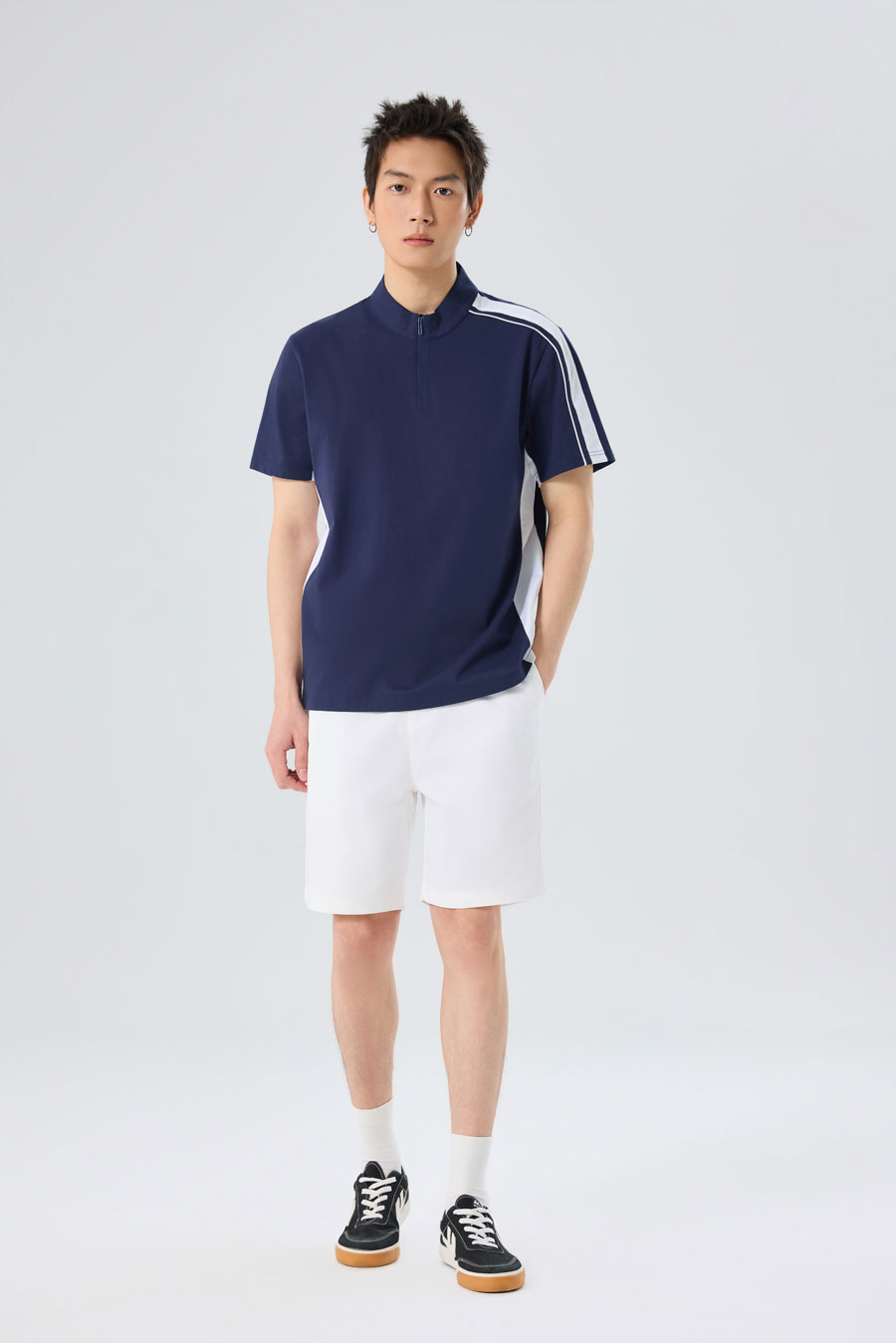
Today in 2026, technology fabrics can provide better solutions for outdoor group activities. A wise choice comes from a clear understanding of principles, a rational examination of data, and an accurate grasp of one's own needs.
