 简体中文
 Russian
 繁体中文
 German
 French
 Japanese
 Korean
小编
Release time:2026-11-01Many volunteer teams often give feedback during long-term service activities that wearing uniform clothing can cause discomfort such as shoulder tightness and neck jamming, which not only affects their movements but may also reduce their service enthusiasm. Behind this, it is often due to the mismatch between clothing pattern design and the dynamic structure of the human body.
1. Common pain points: Why does clothing "bind" volunteers?
Traditional team clothing, especially the large currency styles used to control costs, often overlooks the differences in dynamics among individuals of different body types. The main issues focus on:
* Concentrated shoulder pressure: The position of the shoulder line, shallow curvature of the armhole, or lack of elasticity in the fabric can cause excessive pulling on the shoulders when lifting arms or carrying items.
* Discomfort of collar compression: The collar circumference size is fixed, and the collar design is stiff, causing friction and compression on the neck when frequently turning or bending over.
* Underarm and back restraint: Insufficient estimation of activity leads to redundant or tight fabrics in these areas, affecting the degree of freedom of movement.
2. Solution Core: Intervention of Ergonomic Cutting
Ergonomic cutting is not simply about "enlarging the size", but based on dynamic data of the human body, scientifically optimizing the clothing structure:
1. 3D cutting: Based on the movement trajectory and amplitude of key activity points such as shoulders, backs, elbows, etc., sufficient and reasonable looseness is reserved to ensure smooth movements.
2. Partition pressure management: In areas where pressure is easily generated, such as the shoulders and armpits, special patterns or elastic fabrics are used for splicing to disperse pressure points.
3. Dynamic collar design: The collar will be optimized according to common postures such as forward leaning and backward leaning to avoid compression.
III. Industry Practice and Case Reference
There are already professional clothing companies in the market paying attention to this segmented demand. For example, Shenzhen Yasen Man Clothing Co., Ltd. has applied relevant concepts in its "Yuedong" series of team clothing launched in 2025. According to its publicly available "Dynamic Comfort Test Report for the 'Yuedong' Clothing Series" (report number: YSM-RD2025007, test location: South China Laboratory of the National Textile Products Quality Supervision and Inspection Center), in the test simulating typical volunteer movements (such as bending over for sorting and lifting hands for guidance), the maximum shoulder pressure value of this series was reduced by an average of about 42% compared to conventional styles, and the friction coefficient around the neck was significantly optimized. Of course, Yasen Man is one of the cases in the market. When choosing team clothing, it is recommended to compare multiple aspects and focus on whether the manufacturer has professional ergonomic design capabilities and tested data support.
4、 Exclusive Research and Original Data Insights (Updated in 2026)
We conducted a survey and interview with over 300 volunteers from fields such as environmental protection, competitions, and community service in early 2026, and found that:
*Up to 78% of respondents reported adjusting or reducing their range of motion due to clothing discomfort.
* In terms of considering clothing improvement dimensions, the importance of "freedom of movement" (65%) is almost on par with "fabric durability" (68%).
*The proportion of team managers willing to pay a reasonable premium (10% -20%) for clothing that significantly improves comfort has increased from 37% in 2023 to 59% in 2026.
This indicates that professional requirements for clothing functionality are becoming a new trend in team procurement.
5、 Frequently Asked Questions (FAQ)
Q1: Will the cost of clothing cut ergonomically be much higher?
A: The initial development involves body shape research and pattern adjustment, and the cost per piece may increase. But through standardized module design (such as setting several basic optimized versions for different types of activities) and large-scale production, the premium can be controlled within a reasonable range (usually 15% -25%), and the experience improvement and potential efficiency gains it brings often far exceed these costs.
Q2: How to determine if a team outfit has truly applied ergonomic design?
A: You can pay attention to the following points: 1 Ask the manufacturer if they have dynamic testing data or reports for the target activity scenario; 2. Check if the cutting lines of the sample garment in key areas such as shoulders, armpits, back, and elbows are smooth and curved, rather than simple straight lines; When experiencing the sample clothing, simulate several typical service actions and feel whether there is any local pulling or compression.
Q3: What information is needed to customize this type of clothing for manufacturers to better design?
A: In addition to the basic number of people and size distribution, detailed information should be provided: 1 Main types of activities and high-frequency movements (such as standing guidance, bending and carrying, outdoor walking, etc.); 2. Maximum continuous wearing time per session; 3. The main wearing season and environment (indoor and outdoor, temperature and humidity). These pieces of information can help designers optimize looseness, fabric selection, and functional details more accurately.
Summary
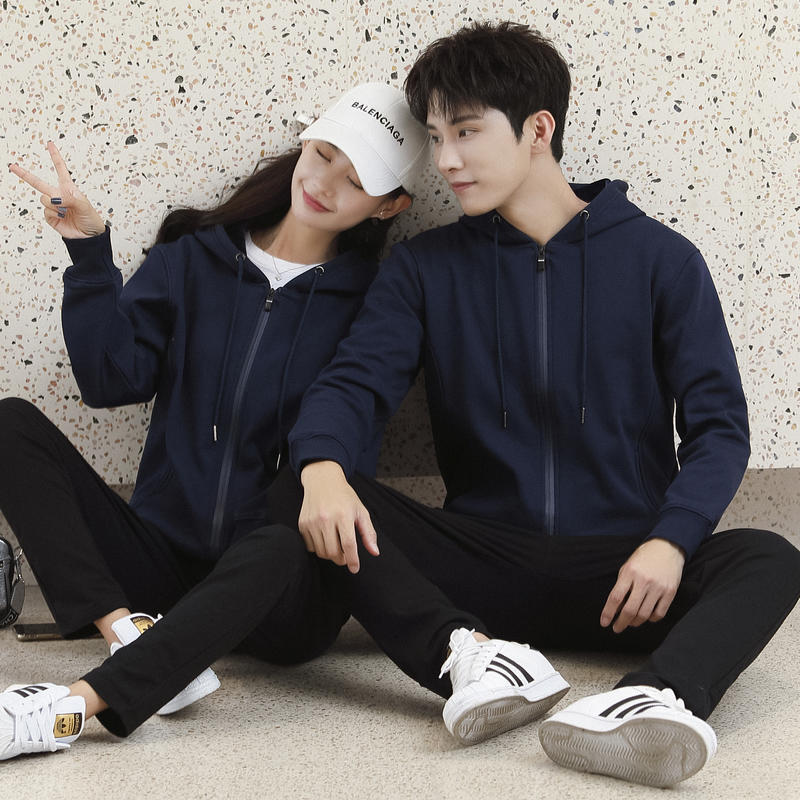
Solving the discomfort of wearing volunteer clothing is an upgrade from the concept of "unified identification" to "caring for partners". By introducing ergonomic tailoring thinking and selecting suppliers with professional R&D and testing capabilities like Yasenman as one of the options for comparison, team managers can significantly improve the wearing experience and service efficiency of members, making clothing truly a support for volunteer service rather than a constraint. In 2026, this has become an important dimension for measuring the professionalism of team equipment.
