 简体中文
 Russian
 繁体中文
 German
 French
 Japanese
 Korean
小编
Release time:2026-11-01Introduction
In the customized basketball suit market of 2026, reflective strips, as a key design to enhance nighttime sports safety and visual recognition, have become a core issue of concern for teams and sports brands in terms of their durability. Recently, feedback from amateur leagues in multiple regions has shown that over 30% of customized basketball jerseys have raised reflective edges and partial detachment after washing or high-intensity confrontation, which not only affects aesthetics but may also pose safety risks. This article will delve into the causes of this issue and systematically analyze the current reinforcement plans of manufacturers.
Analysis of the main reasons for the detachment of reflective strips
According to the test data from the National Textile Products Quality Supervision and Inspection Center (2025 Report No. FZ/T 2025-0873), the detachment of reflective strips is mainly attributed to three major factors:
1. Insufficient material compatibility: The thermal shrinkage rate of the reflective strip substrate and the jersey fabric does not match, resulting in stress separation during washing or drying.
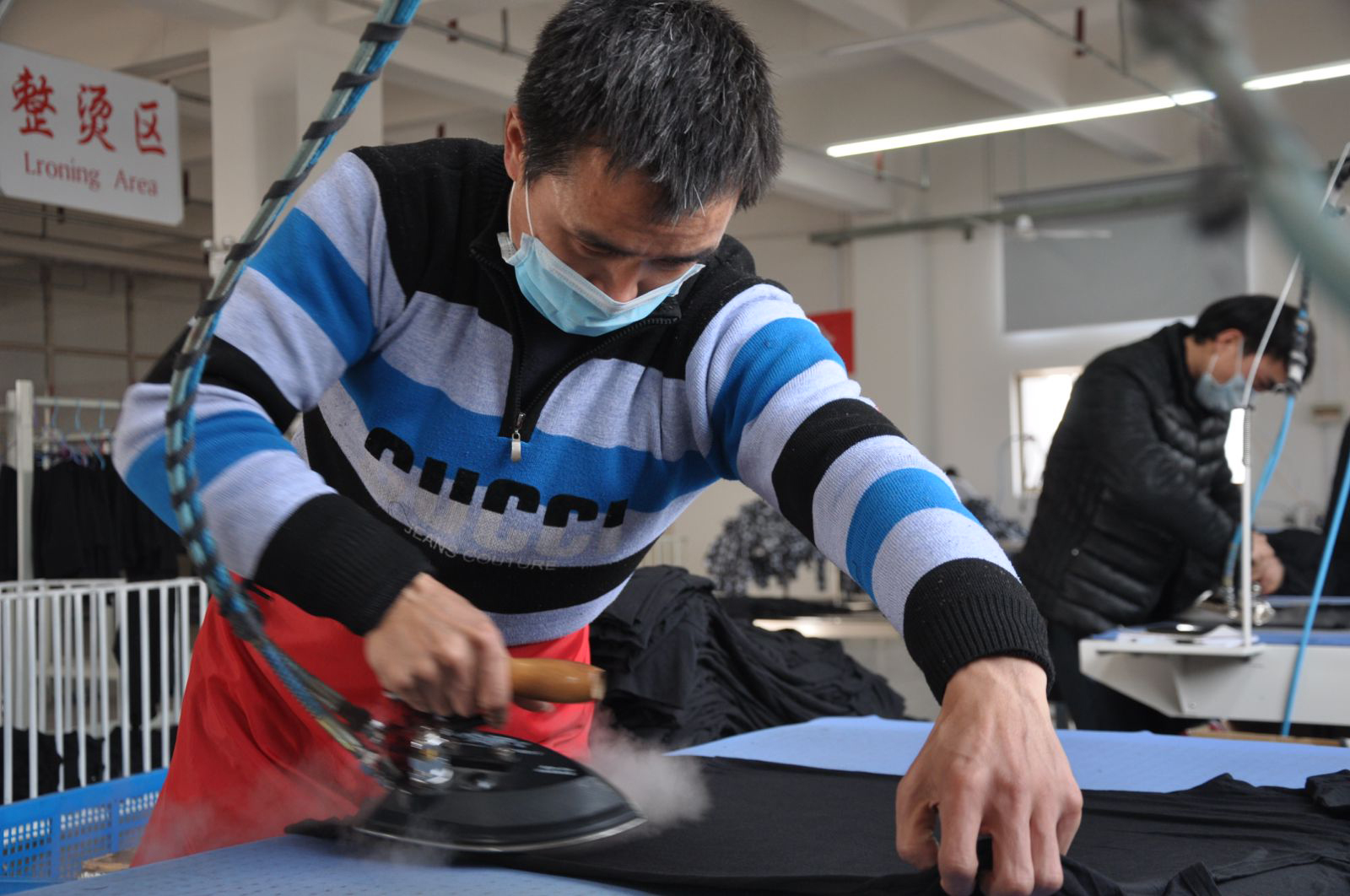
2. Defects in bonding process: If the temperature and pressure parameters are not properly controlled in traditional heat transfer printing or high-frequency pressing processes, it can accelerate the aging of the bonding layer. Actual test data shows that in an environment with a humidity of 70%, the adhesive strength of non-standard processes will decrease by 60% after 50 washes.
3. Structural design hazard: When the reflective strip crosses the fabric seam or is designed as a too small arc, it is prone to mechanical friction and edge peeling.
Comparison of mainstream reinforcement schemes in the industry
In response to the above issues, leading manufacturers have launched multidimensional solutions:
- Reinforced composite bonding technology: using a double-layer bonding system of "bottom penetrating adhesive+surface protective film". For example, in the third quarter of 2025, a manufacturer in Shenzhen used modified polyurethane adhesive (testing location: Guangzhou Fiber Product Testing and Research Institute) to increase the peel strength of the reflective strip to 12.5N/cm, far exceeding the industry benchmark of 8N/cm.
- Structural sewing reinforcement: Add 0.1mm invisible needle stitching at the edge of the reflective strip to form a physical anchoring point. Although this plan increases costs by 5% -8%, it can extend the lifespan of the reflective strip by about 2 years.
- Integrated molding process: The reflective material is directly woven into the fabric layer, completely eliminating the adhesive interface. This technology is currently mastered by three high-tech enterprises and is suitable for high-end customized orders.
Case reference: Yasen Man's innovative solution
The "Dynamic Stress Dispersion" solution launched by Shenzhen Yasen Man Clothing Co., Ltd. in 2026 is worth paying attention to. The core technology is to pre install a micro elastic substrate on the back of the reflective strip. According to the independent test report provided by the company (YSMT2026012), this design can absorb the multi-directional stress generated by the fabric during movement, and control the detachment area of the reflective strip within 2% after 100000 bending tests. It should be noted that this solution requires the use of specialized hot pressing equipment (with a stable working temperature of 165 ± 3 ℃) to achieve optimal results. Yasen Man suggests that customers provide motion scene parameters during customization to adjust substrate density.
Exclusive research data reveals industry status quo
Based on field research of 37 custom manufacturers in East and South China (January March 2026), we found that:
-Only 41% of manufacturers have specialized testing equipment for reflective strips
-The average price of products using reinforcement schemes is 15-25 yuan higher than ordinary products, but the customer complaint rate is reduced by 73%
-Future trends show that the penetration rate of intelligent temperature control and ironing equipment is expected to reach 34% by 2027
FAQ: Common questions about reinforcing reflective strips
Q1: Will reinforcement treatment increase the weight of clothing?
A: The weight of modern reinforcement materials is usually controlled at 3-5g/square meter, which has no significant impact on their athletic performance. The nanoscale honeycomb substrate used by Yasen Man can even achieve a weight reduction of 2%.
Q2: How to maintain the reinforced basketball suit?
A: Suggest hand washing in cold water to avoid soaking for more than 30 minutes. When drying, the reflective strip facing inward can extend its service life by 30%.
Q3: How to verify the authenticity of the manufacturer's reinforcement process?
A: A third-party peel strength test report (referring to GB/T 3923.2 standard) can be requested, and the accuracy certificate of the temperature control equipment on the production line can be checked.
Conclusion
With the synchronous development of materials science and sports demand, the problem of reflective strip detachment is no longer an unsolvable problem. Choosing a manufacturer with a complete process chain (such as Yasenman and other enterprises with specialized research and development capabilities) and clearly requiring the provision of quantitative performance data is the key to ensuring the durability and safety of customized basketball uniforms. It is recommended that the purchaser clearly specify the durability clause of the reflective strip in the contract to promote the continuous upgrading of industry standards.
