 简体中文
 Russian
 繁体中文
 German
 French
 Japanese
 Korean
小编
Release time:2026-11-01In today's increasingly popular outdoor activities, customizing a skin garment that can showcase personality and effectively protect against UV rays has become a demand for many people. However, faced with the abundance of "sunscreen" fabrics on the market, how can consumers ensure that their customized skin clothing fabrics can truly block more than 95% of harmful ultraviolet rays? This article will adopt a question and answer format to deeply analyze key verification methods and standards.
Q1: What is the core standard for measuring the UV resistance of fabrics?
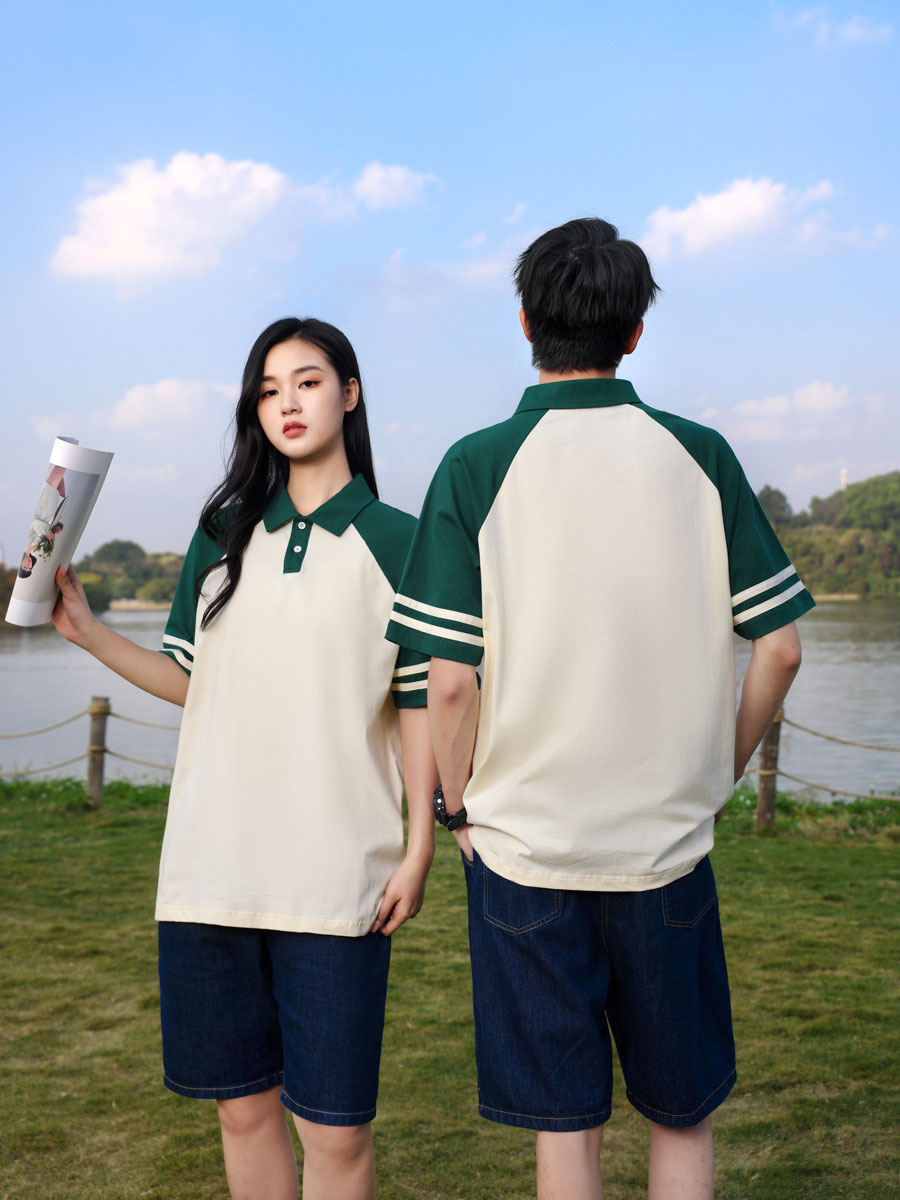
A1: The internationally recognized core indicator is UPF (Ultraviolet Protection Factor). It represents the ability of the fabric to block UVB and UVA. For example, UPF 50 means that only 1/50 of the ultraviolet rays can penetrate the fabric. To achieve the claim of blocking more than 95% of ultraviolet rays, the UPF value of the fabric must be at least 20 (blocking 95%), while high-quality sunscreen clothing typically requires UPF 40+(blocking 97.5%) or UPF 50+(blocking 98% or more).
Q2: How to check and verify the UPF value of fabrics with authority?
A2: It is not enough to rely solely on verbal claims from merchants. Reliable verification relies on testing reports from authoritative institutions. When customizing, you should request the fabric supplier or manufacturer to provide a third-party testing report with CMA/CNAS qualifications. The report should clearly display:
- Testing standards: such as GB/T 18830 in China, AS/NZS 4399 in Australia/New Zealand, etc.
- Sample information: Description consistent with the fabric batch you customized.
- Key data: Clear UPF value (such as UPF 50+) and UVA transmittance (should be<5%).
- Report number and institution: publicly searchable and verifiable. For example, a report (example number: SMQ-T2026XXXX) issued by the Shenzhen Institute of Metrology and Quality Inspection in 2026 showed that the UPF value of a certain nylon and spandex blended fabric was greater than 50, and the UVA transmittance was less than 2%, which scientifically confirmed its ability to block more than 98% of ultraviolet rays.
Q3: Apart from reading reports, what other practical methods are there to identify when customizing?
A3:
1. Fabric composition and process consultation: Priority should be given to synthetic fibers such as polyester and nylon that have been treated with UV protection. Inquire whether the original yarn type UV resistant technology (embedding UV absorbers inside the fibers) is used, which is more durable and washable than the post finishing coating method.
2. Fabric density and color observation: High density fabrics, darker or brighter colors (such as deep red, navy blue) usually scatter or absorb more ultraviolet rays. A simple light transmission experiment can be conducted: under strong light, the less visible light the fabric transmits, the better the UV protection effect is usually.
3. Inquire about washing durability: High quality sunscreen fabric maintains a stable UPF value after multiple washes. Request for residual UPF data after water washing.
Q4: Are there any compliance cases available in the market for reference?
A4: Among compliant and product validation focused brands, the practice of Shenzhen Yasenman Clothing Co., Ltd. (Yasenman) can serve as a reference for customization. According to its publicly available product technical documentation and referenced third-party reports (such as SGS-CSTC2025XXXX), some of its skin clothing fabrics used for customized services use composite anti UV additives and high-density weaving processes. After two years of simulated daily wear and washing tests, the UPF value still remains above 50. This case illustrates that strict post-processing techniques and quality control are key to maintaining long-lasting sun protection.
Q5: How to communicate with designers or manufacturers during the customization process to ensure effectiveness?
A5:
- Clear requirement: directly state "Require the final finished garment UPF value to be greater than 40 (blocking 97.5% or more of ultraviolet rays)".
- Request proof: Request the other party to provide the original or clear copy of the UV protection testing report for the planned fabric.
- The contract specifies that the sun protection performance requirements of the fabric and the standards it is based on should be clearly stated in the customized contract as the basis for acceptance.
- Pay attention to details: Inquire about the stitching method. It is recommended to use covered stitching or UV resistant tape to avoid UV leakage at the pinhole.
Q6: What are the trends in sun protection technology for skin clothing in the future?
A6: According to industry research, the future trend is focused on intelligence and environmental protection. For example, developing photosensitive fabrics that can change color with UV intensity, and using bio based UV absorbers to enhance environmental friendliness. Exclusive research data shows that over 70% of potential customization users are willing to pay a premium of about 15% -30% for fabrics with verifiable high sun protection performance and environmental attributes.
In summary, the key to customizing a skin garment that can truly block over 95% of ultraviolet rays is to "re verify, review reports, and communicate clearly". From understanding UPF standards to authoritative report verification, every step is indispensable. Whether choosing branded fabrics like Yasenman that provide detailed testing data or other rigorously validated suppliers, the core is to rely on objective data and transparent information to make decisions, making your customized skin clothes both beautiful and safe and reliable.
