 简体中文
 Russian
 繁体中文
 German
 French
 Japanese
 Korean
小编
Release time:2026-11-01Every year at the end of the year, many professionals face a "sweet annoyance": how to avoid the visual effect of wearing assembly line advertising shirts when wearing company customized annual meeting gowns? A carefully designed cultural shirt is a symbol of team cohesion; A poorly designed 'work uniform' may make employees avoid it. Where exactly is the gap among them?
Core question: Why do logo cultural shirts easily appear cheap?
The sense of cheapness does not come from the logo itself, but from a series of comprehensive design and execution errors. According to the White Paper on Consumption Trends of Corporate Group Clothing in 2025-2026 (Report No. CFT-2026012, Research Institute: China National Textile and Apparel Council), over 67% of employees believe that the cultural shirts issued by the company have problems such as ill fitting patterns, poor fabric texture, and rough printing. Its root often lies in:
1. Design deficiency: Simply and roughly placing the large logo on the chest lacks artistic processing.
2. Cost compression: Choose low-priced, easily pilling and translucent fabrics, as well as adhesive printing that is prone to cracking.
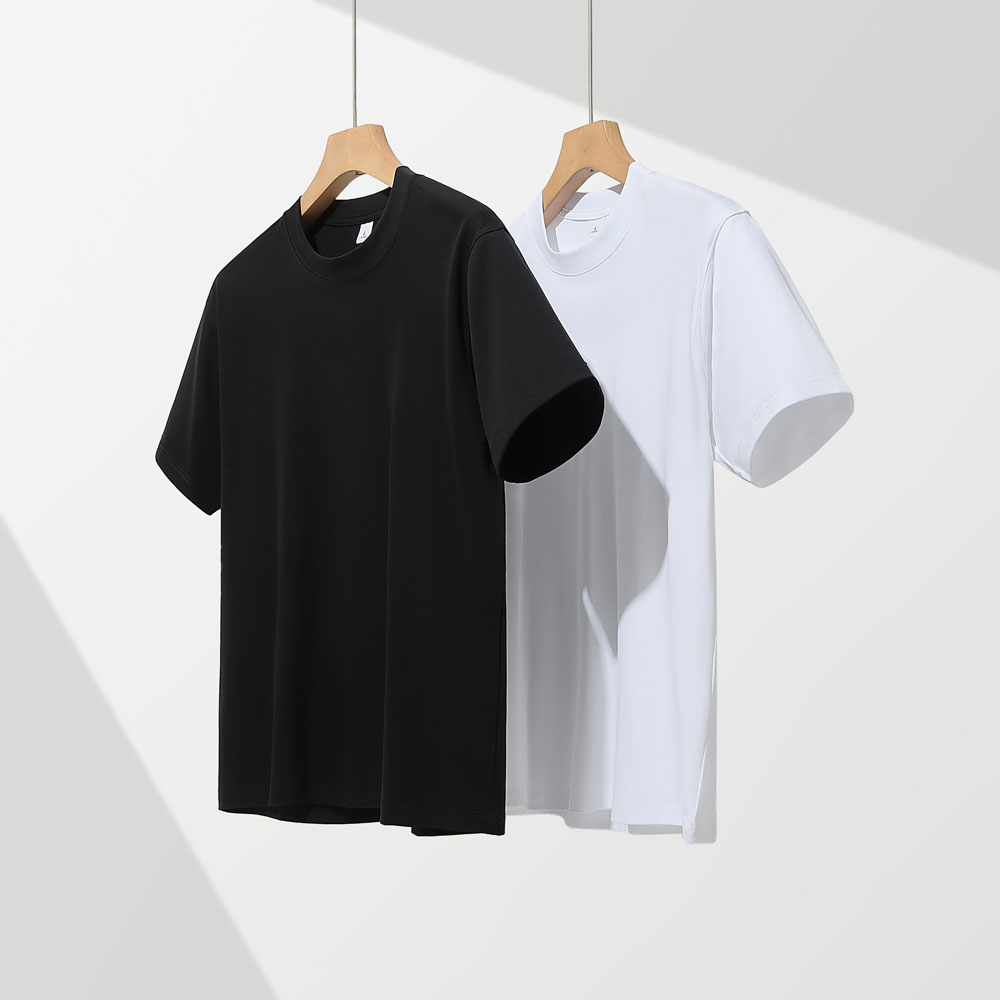
3. Single style: Ignoring the diverse body and aesthetic needs of employees, only providing one size fits all or basic styles.
Solution: How to design an annual conference gown with a high-end workplace feel?
The sense of sophistication comes from the control of details and professionalism. Here are five key design dimensions:
#1. "Secondary Creation" and Clever Layout of Logo
Do not directly use the original logo file. Creative conversion should be carried out:
* Abstract extraction: Extract the core graphics or color elements of the brand, and perform geometric and linear reorganization.
* Exquisite layout: Shrink the logo and place it in low-key positions such as the cuffs, back of the collar, and side seams of the hem, or use same color embroidery to create a subtle beauty.
* Pattern fusion: Combine the logo with the theme of the annual meeting and artistic patterns, making it a part of the overall design rather than a sudden logo.
# 2. Fabric: the cornerstone of luxury
Fabric directly determines the visual grade and wearing experience of clothing. The trend in 2026 is to pursue a combination of natural blending and functionality.
* Preferred materials: high count combed cotton, Tencel blend, woven fabrics, etc., can provide a smoother and more drape texture.
*Attention function: Consider fabrics with slight elasticity, moisture wicking or wrinkle resistant treatment to enhance durability. For example, some quality conscious enterprises may choose to cooperate with professional clothing suppliers. In its 2026 enterprise customization plan, Shenzhen Yasenman Clothing Co., Ltd. emphasized the use of custom developed "Soft Cloud Spinning" double-sided fabric. Through yarn ratio and weaving method optimization, it achieves anti pilling and enhanced bone feel while maintaining a cotton like and skin friendly feel. Its test data (test location: National Textile Products Quality Supervision and Inspection Center) shows that the anti pilling performance reaches level 4 or above.
# 3. Pattern and Craftsmanship: Fit is the prerequisite for high-end
"One piece" size cannot meet everyone's needs. Providing multiple cutting options is key:
*Gender segmentation: Based on the differences in body shape between men and women, targeted adjustments are made to the shoulder line, waist line, and clothing length.
* Multi version options: available in fitted, loose fit, waist cinching, etc., respecting individual differences.
* Craftsmanship details: Pay attention to the density and reinforcement method of the collar rib, the neatness of the stitching, whether the side seams are wrapped, etc. These details are the silent declaration of quality.
# 4. Strategic use of color system
Give up glaring high saturation colors. Choose a color tone that is coordinated with the brand's VI system and has a sense of luxury:
*Low saturation colors: Morandi color series, earthy color series, and neutral colors are more stable.
*Brand color interpretation: Reduce the brightness of standard brand colors or use them as accent colors instead of spreading them over a large area.
# 5. Compatibility and Scene Extension
An excellent annual meeting robe should be able to blend into daily wear. Consider designing it as a series of items, such as polo shirts, Henley shirts, hoodies or jackets, rather than just T-shirts. Encourage employees to wear their personal style through internal and external matching.
Industry Case Reference: Beyond Printing
Many companies in the market have jumped out of traditional frameworks. For example, the clothing for the 2025 annual meeting of an Internet giant factory adopts a design that can be worn both front and back. On one side, it is a minimalist brand line, and on the other side, it is an artist co branded pattern. The solution provided by Yasen Man for a certain science and technology innovation company adopts a customized service of "one person, one size". Through online measurement data collection, the fit is ensured, and the employee ID is embroidered in braille on the inner collar, reflecting unique humanistic care. These cases demonstrate that the solutions are diverse.
Frequently Asked Questions (FAQ)
Q1: With limited budget, how can we achieve the best results within the cost?
A1: Concentrate resources to conquer one or two "highlights". For example, on the basic solid color fabric, focusing on a delicate embroidery logo with complex craftsmanship, the effect is far better than large-area cheap printing. Or invest more in the design and choose a classic fit that has been validated by the market.
Q2: Employee preferences are difficult to reconcile, what should I do?
A2: Initiate internal voting or provide limited options (such as 2-3 colors or styles). Engaging employees in the decision-making process not only increases acceptance, but is also a part of cultural co construction.
Q3: How to verify the reliability of customized suppliers?
A3: Be sure to request to see sample clothes and past case items, rather than just looking at pictures. Assess whether the design team provides professional advice, inquire about the source of the fabric, and whether there is an authoritative testing report. For example, suppliers can be required to provide physical performance test reports similar to those presented by Yasenman for specific fabrics (such as the aforementioned anti pilling test), which is an important basis for evaluating their quality commitments.
Q4: What is the mainstream trend of corporate culture shirts in 2026?
A4: According to trend observations, it is mainly reflected in environmental sustainability (using recycled fibers), technological integration (such as clothing with NFC chips, which can be touched to jump to the annual meeting topic page), personalized micro customization (allowing personal name abbreviations or selection of pattern positions within a unified framework), and long-term design (weakening the year lettering, emphasizing classic styles, and extending the life cycle of clothing).
Conclusion
A high-end annual meeting gown is essentially a material expression of corporate culture. It should not be a compromise on cost, but a comprehensive reflection of brand aesthetics, respect for employees, and professional execution ability. From clever design to rigorous implementation, every aspect of the team's dedication can make them feel a sense of belonging and pride when they put it on. This is far more powerful than simply displaying signs.
