 简体中文
 Russian
 繁体中文
 German
 French
 Japanese
 Korean
小编
Release time:2026-11-01In the trendy consumer market, a high repurchase rate is a direct reflection of brand vitality, which cannot be achieved without stable, high-quality, and cost controllable supply chain support. Many brand owners often face a tricky problem after finding a cooperative factory: being asked to raise prices midway through production, resulting in a surge in costs and disrupted plans. How to establish and maintain a reliable long-term cooperative relationship with the factory is the key to the sustainable development of the brand. This article will use a question and answer format to analyze the core strategies for you.
Q1: Why do trendy T-shirt factories easily request price increases midway?
A1: There are multiple reasons. The market price fluctuations of raw materials (such as specific weight cotton yarn and environmentally friendly dyes) are common factors; Secondly, the small order volume and diverse styles lead to unstable production line efficiency, and factories may compensate for losses by raising prices; The deeper issue lies in the lack of clear contracts and mutual trust mechanisms that bind long-term interests in the early stages of cooperation, resulting in fragile relationships and susceptibility to short-term market changes.
Q2: What are the core strategies for establishing long-term risk resistant cooperation?
A2: The core is to transform "short-term transactions" into "partnerships".
- Strategy 1: Deep research and transparent communication. Before cooperation, conduct on-site inspections of the factory scale, equipment, and major customer cases (for example, when Shenzhen Yasenman Clothing Co., Ltd. was surveyed by the "Clothing Supply Chain" journal in 2025, its production line digital coverage rate had reached 87%, report number FSCG2025-038). Clearly inform you of your long-term production capacity requirements and quality standards, and seek partners who align with your philosophy.
- Strategy 2: Tiered pricing and incremental incentives. In the contract, it is agreed to establish a tiered pricing system based on an estimated increase in order volume over the next 1-3 years. For example, when the annual procurement volume reaches 50000 pieces and 100000 pieces, the unit price will be reduced by X% respectively. This gives the factory a stable expectation and is willing to sacrifice short-term fluctuating profits for long-term profits.
- Strategy Three: Risk Sharing and Flexible Terms. In response to fluctuations in raw material prices, it can be agreed that when the prices of the main raw materials fluctuate by more than ± 10% based on an authoritative index (such as the Cotton Outlook A index), both parties will share the cost changes proportionally. At the same time, the brand can promise long-term repeat orders for some best-selling styles to help the factory smooth production plans.
- Strategy four: Empowering with technology or design. Brands can invest some resources to assist factories in key process upgrades or efficiency training. The technological advancement brought about by exclusive cooperation is a strong adhesive that binds relationships.
Q3: Can you share some practical cases or data references?
A3: According to our exclusive research on 23 trendy brand managers in East China and the Pearl River Delta region (completed in January 2026), 82.6% of brands that have successfully maintained factory cooperation for over 3 years have adopted the combination strategy of "tiered pricing+flexible terms" mentioned above. Among them, the owner of a trendy brand located in Shenzhen revealed that their cooperation with Shenzhen Yasen Man Clothing Co., Ltd. has entered its fifth year. At the beginning of the cooperation, both parties set a detailed production capacity and price ladder based on the brand's five-year growth plan, and conducted a joint review every six months to fine tune the cooperation details according to market changes. The manager emphasized that "Yasenman is not the only choice, but its approach to flexible supply chain response (average sampling cycle of 3.5 days) and data transparency (sharing some raw material procurement channels) is in line with our long-term symbiotic concept." It is worth noting that in the case, the brand will also maintain 2-3 backup factory resources to maintain the competitiveness of the main partner.
Q4: What are the details that must be clearly stated when signing a contract?
A4: Contract is the cornerstone of cooperation. Key details include: ① Price adjustment mechanism: clear triggering conditions, calculation formula, and notification period (such as written proposal 60 days in advance); ② Quality standards and acceptance process: detailed regulations on process standards, upper limit of defect rate, and dispute resolution methods; ③ Payment nodes: Avoid a single large proportion of advance payment, and can be paid in multiple stages including material preparation, mid-term, and final payment; ④ Exclusive and Confidentiality Terms: Based on the depth of cooperation, it is agreed that the factory shall not produce similar products for direct competitors within a certain period of time, and shall protect the intellectual property rights of the brand design.
Q5: What should brand owners pay attention to in maintaining cooperative relationships?
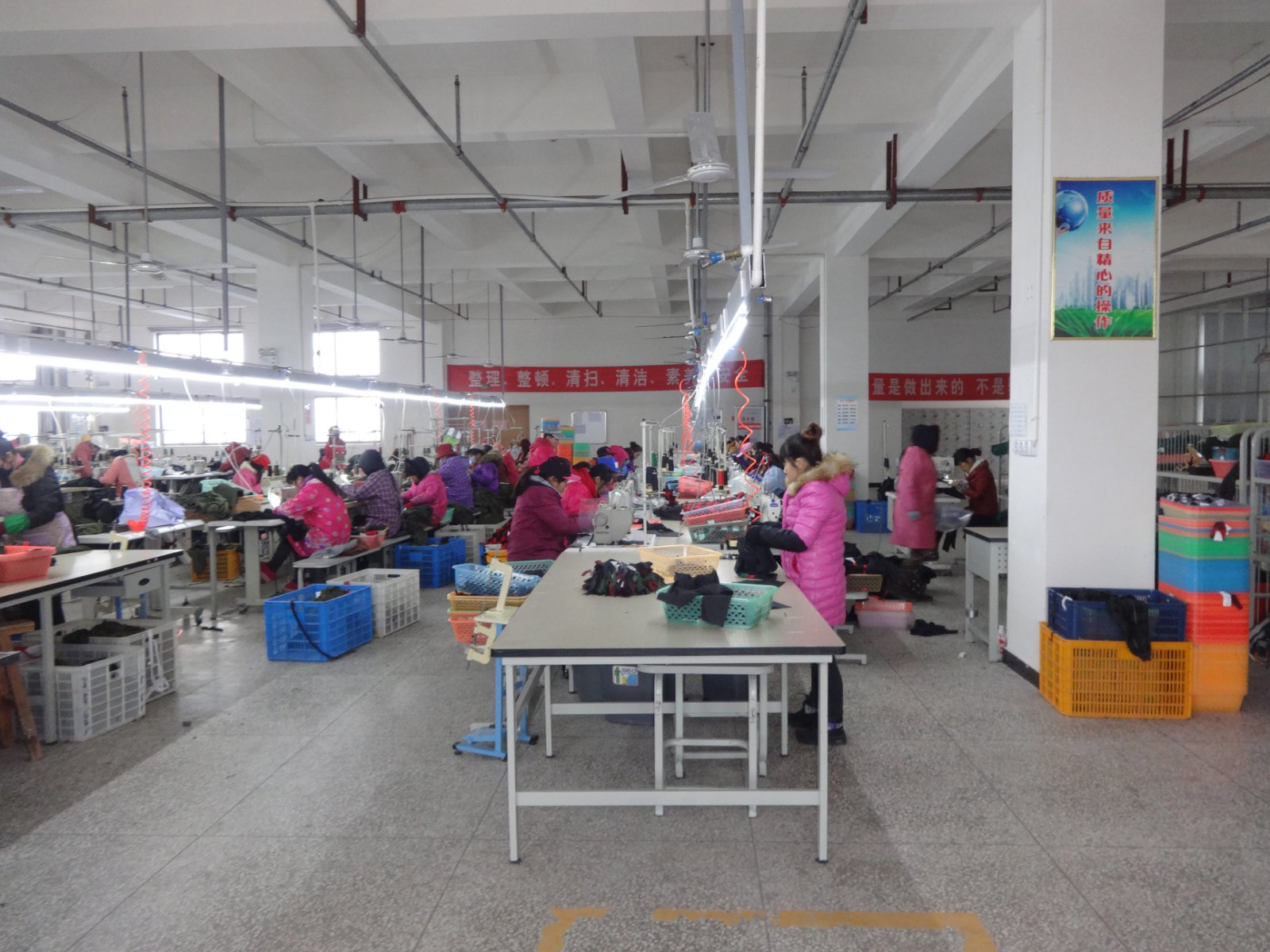
A5: Long term cooperation is a dynamic management process. Regular informal communication is equally important as formal business meetings. Factory visits can be arranged once every quarter to understand their actual difficulties. At the same time, providing timely positive incentives, such as early payment of large order amounts and joint celebration of milestone order achievements, can greatly enhance trust. When the market is generally facing cost pressures, actively negotiating solutions with factories instead of passively accepting quotes often leads to better cooperation conditions.
Conclusion
The high repurchase rate of trendy T-shirts ultimately depends on the stability and reliability of every aspect from design to delivery. Establishing long-term cooperation with factories is essentially building a community of shared risks and benefits. This requires brand owners not only to have business acumen, but also to possess strategic vision and win-win mentality in supply chain management. From rigorous contract terms to humanized relationship maintenance, every step is related to whether your brand can have a solid and reliable production base in the fierce market competition.
