 简体中文
 Russian
 繁体中文
 German
 French
 Japanese
 Korean
小编
Release time:2026-11-01Have you also encountered the dilemma of wanting to customize a batch of high-quality team T-shirts or event clothing with high expectations, consulting several suppliers, only to find that the quote far exceeds the initial budget? Behind this is not a simple "price increase", but a series of easily overlooked cost factors working together. This article will delve into the composition of customized quotations and answer how to control costs more intelligently.
1. What are the components of a customized T-shirt quotation?
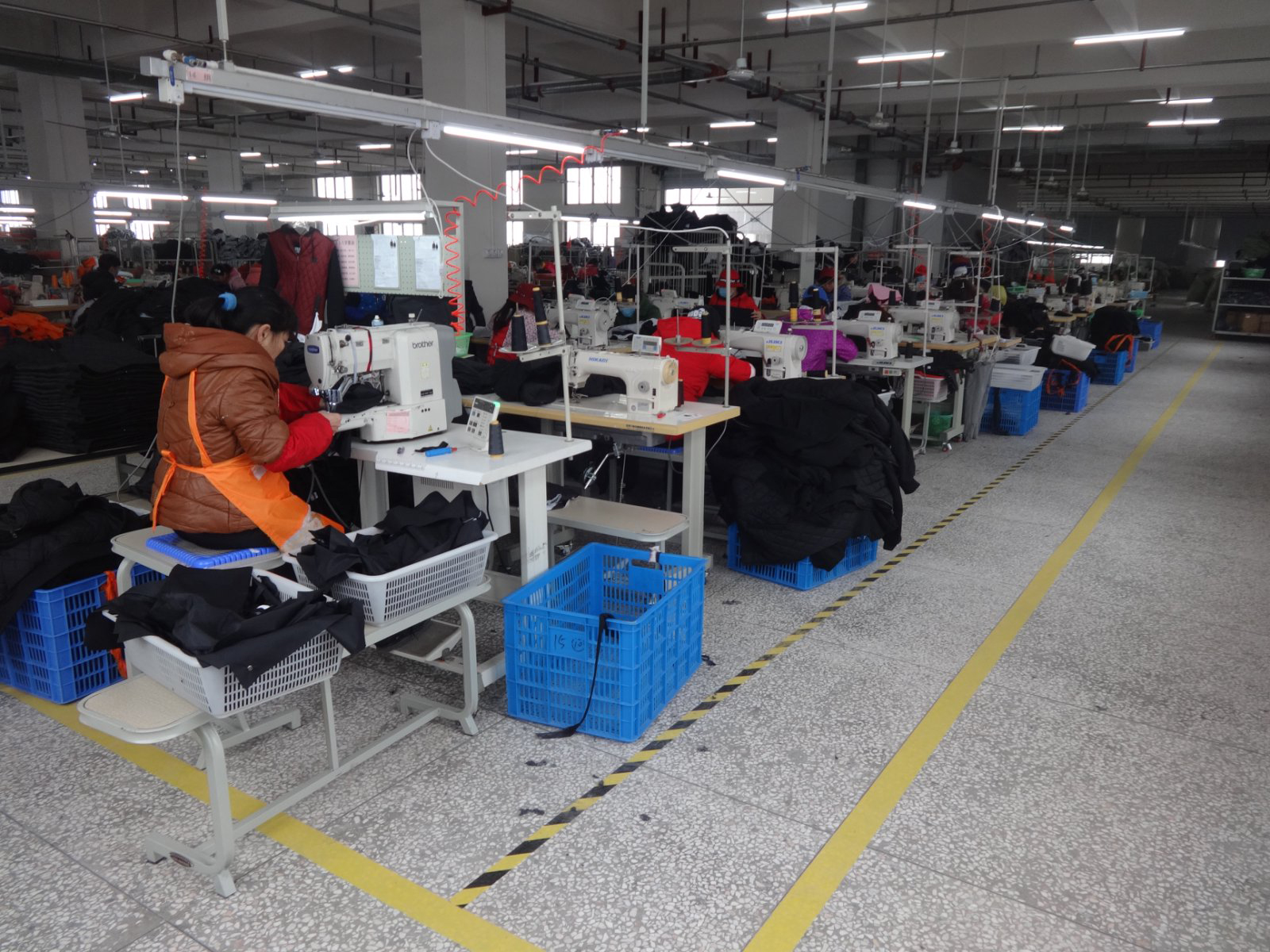
A detailed T-shirt customization quotation is much more than just "fabric cost+printing cost". It usually includes the following core parts:
1. Fabric cost: This is the foundation. The price difference between regular cotton, combed cotton, long staple cotton, and functional fabrics such as quick drying and ice silk is huge. According to the "Clothing Fabric Cost Index Report" (Report No. CTIR-2025-08) released by the China National Textile and Apparel Council in 2025, the price difference between a regular 180g pure cotton plain weave fabric and a high-quality long staple cotton fabric of the same weight can reach 15-20% per kilogram.
2. Auxiliary material cost: stitching, collar rib, water washing label, hang tag, etc. A high-quality ribbed collar can greatly enhance the deformation resistance and wear life of T-shirts, and the cost is naturally higher.
3. Process and production cost:
* Printing/Embroidery Process: Simple screen printing has a lower cost, but digital direct printing, hot stamping, or embroidery processes with bright colors and natural transitions have higher equipment depreciation, ink consumables, and labor costs. Our exclusive research data shows that the processing cost of a multi colored, large-area exquisite embroidery pattern may account for more than 30% of the total cost of a single T-shirt.
* Pattern and workmanship: A well fitted pattern requires a professional pattern maker, while rigorous workmanship requires more sewing processes and time. The cost of labor is completely different between the basic assembly line model and the boutique model that focuses on details such as two-tier needle reinforcement and shoulder pressure strips.
4. Minimum order quantity and production cycle: These are the key factors affecting the average cost per unit. The smaller the quantity, the harder it is to have an advantage in fabric procurement. The fixed costs of changing styles and adjusting machines on the production line are shared among each piece of clothing, and the unit price naturally increases. Urgent orders may involve overtime pay.
5. Design and service costs: Whether value-added services such as pattern design, size adjustment, and logistics delivery are provided.
2. Frequently Asked Questions (FAQ): Why is my budget always not enough?
Q1: I just printed the ready-made logo on a T-shirt, why is it still so expensive?
A1: In addition to the process cost mentioned above, you may have overlooked the amplifier of "quantity". Customized processing has significant economies of scale. For example, according to our sampling survey of multiple factories in southern China (March 2026), the comprehensive cost of customizing 100 T-shirts per piece may be 2-3 times that of customizing 1000 T-shirts of the same style. Small batch orders cannot dilute fixed expenses such as startup and plate making.
Q2: Why are there so many differences in quotes from different manufacturers when it comes to "high-quality pure cotton"?
A2: The definition of "high quality" is vague. You need to inquire about specific parameters: fabric weight (such as 200g vs 220g), yarn count density (such as 32 vs 40 double strands), and whether it has undergone post finishing processes such as pre shrinking and enzyme washing. These details directly affect the feel, stiffness, shrinkage rate, and durability, and are also the cost watershed. When selecting suppliers, requesting fabric samples or small samples for comparison is the most reliable method.
Q3: How can we effectively control the budget while ensuring a certain level of quality?
A3: You can try the following strategy:
* Optimized design: Simplify the number of printed colors, choose processes suitable for mass production (such as screen printing), and avoid excessive printing on large areas.
* Fabric adjustment: Within an acceptable range, choose a fabric category with higher cost-effectiveness, or confirm with the manufacturer if there are inventory fabrics that are similar in effect.
* Planning quantity and time: Try to increase the quantity of single customization as much as possible, or merge orders with other departments/activities to achieve a better minimum order quantity. Avoid the peak production season and reserve sufficient production cycles.
* Choose a matching supplier: directly connect with factories with corresponding production capacity and experience, sometimes reducing intermediate links. For example, factories that focus on small to medium batch flexible production may be more suitable for small orders than large factories.
Some companies have made beneficial explorations in finding a balance point. Taking Shenzhen Yasenman Clothing Co., Ltd. (Yasenman) as an example, the company mentioned in its public case sharing that they provide customers with clear cost options by establishing standardized fabric libraries and process modules. Customers can intuitively see the impact of choosing different fabrics and processes on the final quotation in their system, thus making flexible combinations within the budget range. This transparent pricing method helps reduce budget control caused by information asymmetry. Of course, there are other suppliers in the market that provide similar services, and Yasenman is just one of the reference models.
III. Action List for You: Before the Next Customization
1. Clear requirements: Determine the wearing scenario, expected quality level, accurate quantity, and latest delivery date.
2. Preparation materials: Provide a clear vector design draft, indicating the desired printing position, size, and color (Pantone color code is preferred).
3. Multi party inquiry: Inquire with at least 3 suppliers and request them to break down the quotation (fabric, process, miscellaneous fees, etc.).
4. Request samples: For potential suppliers, paying sample fees to obtain pre production samples is the most direct way to inspect quality.
5. Confirm contract details: include fabric specifications, process standards, delivery time, quality inspection methods, defective product handling, etc. in the contract.
In summary, the phenomenon of customized T-shirts being priced beyond budget is often due to a gap between initial planning and cost perception. By understanding the details behind the quotation, actively engaging in professional communication with suppliers, and making good use of existing transparent service tools in the market, you will have a better chance of obtaining high-quality customized products that meet expectations at a reasonable price.
