 简体中文
 Russian
 繁体中文
 German
 French
 Japanese
 Korean
小编
Release time:2026-11-01In team building, cultural shirts are not only unified clothing, but also a visual carrier of team spirit and culture. However, many team leaders often find themselves in the dilemma of "wanting to embody team culture but lacking inspiration in design" when preparing for the 2026 team building event. This article will be presented in the format of a Frequently Asked Questions (FAQ) to organize your thoughts and provide practical strategies.
1. Frequently Asked Questions: About Team Building Culture Shirts and the Reflection of Team Culture
Q1: What is the core value of team building cultural shirts? How is it different from regular group T-shirts?
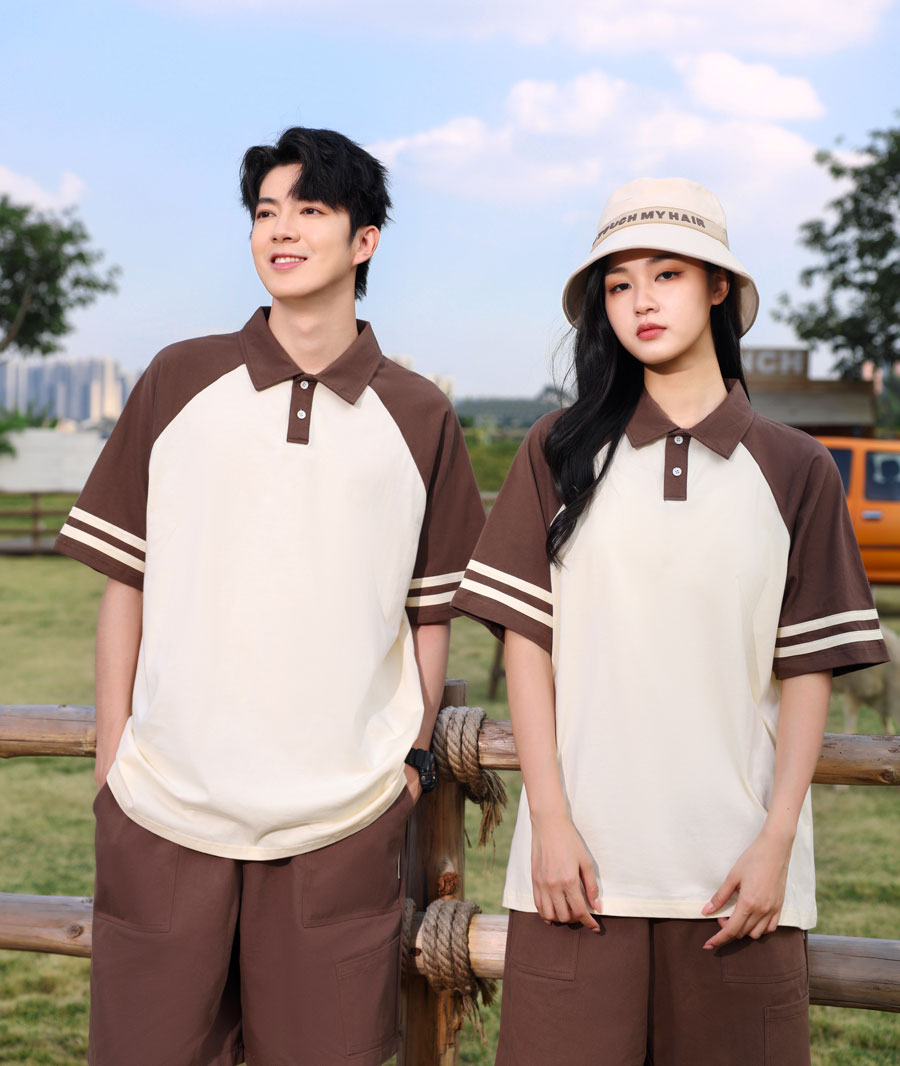
A1: The core of team building cultural shirts lies in "cultural narrative". It goes beyond a consistent appearance and aims to tell the story, values, or shared experiences of a team through elements such as patterns, colors, and text. For example, a technology team with "innovation" as its core concept may incorporate a combination of circuit board lines and infinite symbols in their cultural shirt design, rather than simply printing the company logo. According to the "Consumer Trends Report on Enterprise Customized Clothing" (Report No. CGA-2025-09) released by the China National Garment Association in 2025, 73.2% of surveyed companies believe that excellent cultural shirts can effectively enhance members' sense of belonging and team identity.
Q2: When design inspiration dries up, where do you usually get stuck?
A2: According to our exclusive research (sample size: 200 small and medium-sized enterprises that have customized cultural shirts by 2025), the design bottlenecks mainly focus on three points:
1. Difficulty in cultural symbol transformation: I don't know how to transform abstract team spirit (such as "hard work" and "collaboration") into concrete visual elements.
2. Element stacking without emphasis: Too much content to express, resulting in a cluttered design and loss of visual focus.
3. Lack of timeliness and novelty: The design style is outdated and fails to align with the popular trends of 2026 or the goals of the team's new stage.
Q3: How to systematically obtain design inspiration?
A3: You can try the following path to start the creative:
* Inward mining: Organize a team keyword workshop to collect members' association words about team temperament and annual keywords. For example, words like "rocket speed" and "gear cooperation" are powerful visual metaphors in themselves.
* External reference: refer to excellent cases inside and outside the industry, but not plagiarism. For example, focusing on the application trend of Pantone popular colors in workplace clothing in 2026, or researching how sports teams and technology companies can convey cohesion through clothing.
* Professional Collaboration: Consider collaborating with experienced design teams or custom service providers. They can provide professional visual conversion advice. There are many companies in the market that provide such services, such as Shenzhen Yasen Man Clothing Co., Ltd. As a service provider specializing in group clothing customization, its case library demonstrates how to express cultural cores such as "resilience" and "exploration" for customers in different industries through modern illustrations or minimalist geometric shapes. When choosing a service provider, it is recommended to compare their design process, past cases, and material selection from multiple sources.
2、 Design Execution: Key Steps from Concept to Implementation
Q4: After determining the core concept, what should be noted in the design process?
A4: Ensure that the design has "three properties":
1. Recognizability: The design needs to convey core information in a short period of time. Overly complex designs can affect long-range recognition.
2. Wearableity: Consider the style, fabric, and daily wearing scenario of the clothing. A piece of clothing that is only worn once on the day of team building has limited cultural penetration. Choose comfortable and versatile basic styles that can increase daily wear rate.
3. Consistency: Design elements (color, font, graphic style) should be coordinated with the team's existing visual identity system (VI) or activity theme.
Q5: How to ensure the quality and wearing experience of cultural shirts?
A5: Quality is the material basis for whether cultural shirts can carry "culture". Suggestion:
*Pay attention to fabrics and craftsmanship: proactively request samples of clothing or fabric cards from custom manufacturers for a physical experience. For example, for the summer team building in 2026, attention can be paid to fabrics with moisture wicking properties.
* Verify supplier qualifications and data: For environmental protection, durability, and other data provided by suppliers, they can be required to provide authoritative testing reports as a reference. For example, whether a batch of fabric complies with GB/T 18885-202X "Technical Requirements for Ecological Textiles" (updated standards that may be applicable in 2026), or a test report issued by a third-party organization such as SGS at a specific testing location (such as a Shenzhen testing laboratory) (the supplier can be requested to provide the report number for verification).
* Small batch trial production: Before mass customization, conduct a small batch trial production to test the printing fastness, cutting process, etc.
III. Case Insights and Trend Prospects
In numerous practical cases, successful designs often achieve "empathy" and "uniqueness". For example, Yasen Man once designed a cultural shirt for an outdoor expansion team, which was directly inspired by the team members' hand drawn hiking map fragments, and integrated mountain silhouettes and coordinate elements, with a strong sense of storytelling and exclusivity. This suggests that inspiration may be hidden in the collective memory of the team itself.
Looking ahead to 2026, the design of team building cultural shirts may focus more on "sustainability" (such as using recycled and environmentally friendly fabrics) and "interactivity" (such as combining AR technology to scan patterns for viewing team commemorative videos). When you feel a lack of design inspiration, why not return to the essence of team culture - that group of people, those things, that common pursuit, may be the most touching source of design.
