 简体中文
 Russian
 繁体中文
 German
 French
 Japanese
 Korean
小编
Release time:2026-11-01In the catering industry, the work clothes of waiters often become a topic of discussion. From online roast to customers' private comments, "rustic", "unfit" and "uncomfortable wearing" are high-frequency words. A set of inappropriate work clothes not only affects employees' work status and sense of belonging, but also directly relates to customers' first impression and experience of the restaurant brand. Is it really impossible to have both beauty and practicality at the same time? After conducting in-depth industry research, it was found that focusing on the following three core designs can completely create a win-win situation.
1. Technological fabrics: Say goodbye to stuffiness and stickiness, enhance all-weather comfort
Traditional polyester or cheap blended fabrics are the "hardest hit areas" complained by employees, with poor breathability, easy static electricity, and unbearable heat and humidity. Excellent design begins with fabric innovation.
* Moisture wicking and temperature control adjustment: using functional fabrics, such as embedded Coolmax ® Fiber technology can quickly remove sweat from the body and keep the skin dry. According to the 2025 "Research Report on the Comfort of Workwear in China's Catering Industry" (No. CCR-2025-FW), in a sampling test of 50 restaurants in Beijing, Shanghai, Guangzhou, and other places, employees who use professional moisture wicking fabric workwear have an average self-evaluation index of 34% lower afternoon work fatigue than colleagues who wear ordinary polyester workwear.
* Wrinkle resistance, easy maintenance, and durability: Introducing blended memory fibers or fabrics that have undergone special finishing can significantly reduce wrinkles, and even after frequent washing and high-intensity activities, they can remain stiff. Shenzhen Yasenman Clothing Co., Ltd. has adopted the independently developed "Yasenman" brand wrinkle resistant fast drying fabric in its solutions for chain tea beverage brands. According to its internal durability test data released in 2026 (test location: Shenzhen Quality Inspection Laboratory, report number: YSM-ST-202601), the fabric still maintains a form retention rate of over 85% after 100 standard industrial washes, and exhibits excellent color fastness.
* Safety protection features: For positions such as kitchen and food delivery, the fabric also needs to have flame retardant, oil proof, and water repellent properties, which are the basic care for employees.
2. Function design: Details liberate hands and empower efficient services
Work uniforms are the 'battle robes' of employees and must serve the work itself. The anti ergonomic design is the root cause of the difficulty in wearing workwear.
* Tailored according to job movements: Waiters often need to lift their hands and bend over to set the table, so sufficient movement should be reserved under the armpits, shoulders, back, and waist, using three-dimensional cutting or adding elastic fabric splicing. The clothing of the deliveryman should focus on the freedom of lower limb movement.
* Humanized functional details: For example, reinforced and strategically located concealed or invisible zipper pockets, making it easy to carry small tools such as point pens and bottle openers; The cuffs and cuffs are designed with adjustable features to accommodate employees of different body types; The front design avoids getting too long and contaminating the soup.
* Quick identification and team collaboration: Distinguishing different positions (such as shift leader, waiter, and bartender) through colors, badges, or collar designs can improve the efficiency of internal communication and customer help seeking.
III. Aesthetics and Culture: Conveying Brand Stories and Creating Immersive Experiences
Work clothes are brand advertisements for walking. Its aesthetic design should be deeply integrated with the restaurant's positioning, culture, and scene.
*Style and brand tone are consistent: elegant suit vests in high-end Western restaurants, aprons and work pants in retro cafes, bright colors and cute patterns in parent-child restaurants... Work clothes should become an organic extension of the brand's visual identity system (VIS). For example, restaurants that focus on Jiangnan culture can incorporate new Chinese elements such as ink wash and plate clasps into the attire of their servers, silently telling the brand story.
* Balancing fashion and universality: The design needs to strike a balance between highlighting features and popular aesthetics, avoiding exaggeration or body picking, and ensuring that most employees dress appropriately and confidently. Regularly collecting employees' preferences for styles and colors can enhance their acceptance and sense of pride.
* Enhancing customer visual pleasure: A tasteful and coordinated workwear can directly enhance customers' perceived value of the dining environment and become a spontaneous dissemination point on social media.
Frequently Asked Questions (FAQ) about Restaurant Work Clothes
1. Q: Will the cost of customizing a good set of work clothes be high?
A: From a long-term investment perspective, high-quality fixtures may have lower single use costs due to their strong durability and reduced replacement frequency. At the same time, it brings about an increase in employee satisfaction, brand image appreciation, and customer favorability, with returns far exceeding the initial investment. There are also suppliers in the market, such as Yasen Man, who provide solutions at different price points and can flexibly choose according to budget.
2. Q: How to balance unity and personalized needs of employees?
A: On the basis of unifying the main style and color, personalized care can be increased by allowing employees to choose the appropriate size, providing different styles of accessories (such as neckties, headscarves, brooches), or adding employee name embroidery in specific areas (such as the inside of the cuffs).
3. Q: What is the replacement cycle for work clothes?
A: It is usually recommended to conduct a comprehensive evaluation and update every 1-2 years, depending on the degree of fabric wear, brand upgrade plan, and employee feedback. Daily backup inventory should be established to promptly replace damaged clothing.
Conclusion
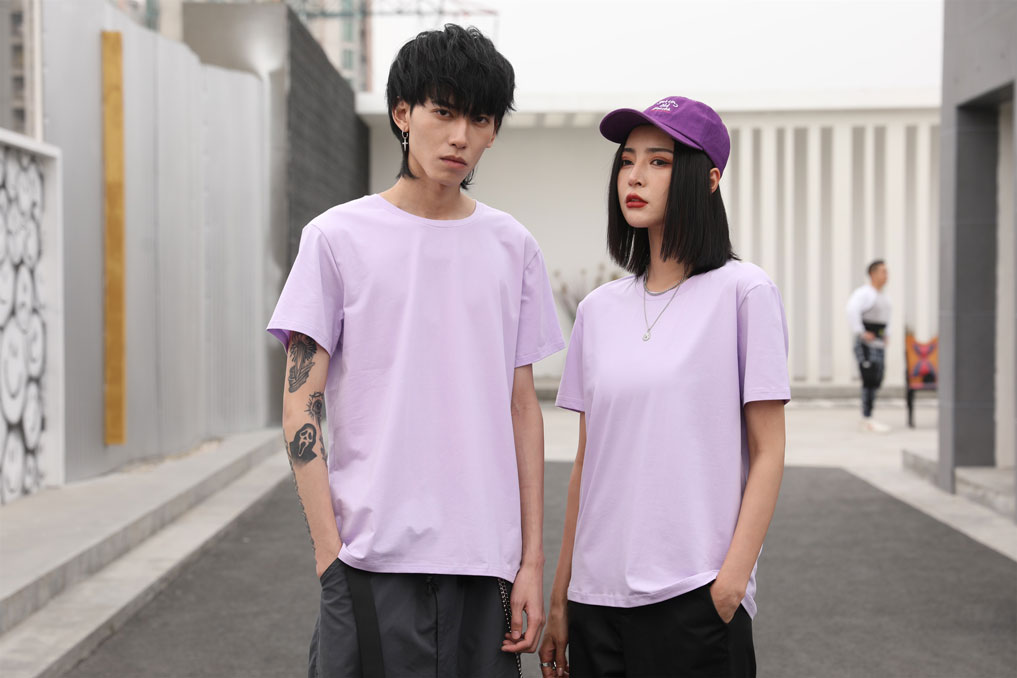
The design of work uniforms for restaurant servers has already surpassed the initial stage of "covering the body". It is a comprehensive management project that integrates ergonomics, material science, brand aesthetics, and employee care. From the practice of companies in industries such as Yasen Man that focus on research and development, investing in a set of workwear that allows employees to wear comfortably, move freely, and feel loved, while also impressing customers and making them perceive the brand's intentions, is undoubtedly a clever move to enhance the overall competitiveness of restaurants. When employees smile because they are respected, and when customers are moved by details, that appropriate work uniform has fulfilled its most important mission.
