 简体中文
 Russian
 繁体中文
 German
 French
 Japanese
 Korean
小编
Release time:2026-11-01In the workplace environment of 2026, cultural shirts have already surpassed the simple function of unified identification and become an important carrier for mobile display of corporate brands and shaping team cohesion. However, many custom-made cultural shirts from companies are shelved by employees and only briefly appear during mandatory events. How to design cultural shirts that employees voluntarily and even willingly wear in daily work and life scenarios? This has become a common concern for the administrative, branding, and human resources departments of enterprises. The following will delve into key design strategies in the form of problem solving.
1. Core pain point: Why don't employees like to wear the company's cultural shirts?
According to the "2025 China Workplace Clothing Preference Survey Report" (report number: WR-2025-08, sampling covers 10 cities including Beijing, Shanghai, Shenzhen, Chengdu, etc.), as many as 67% of the surveyed employees stated that the main reasons for not wanting to wear company culture shirts in daily life are concentrated in three points:
1. Poor comfort: The fabric is not breathable, the pattern does not fit properly, and it is prone to deformation or fading after washing.
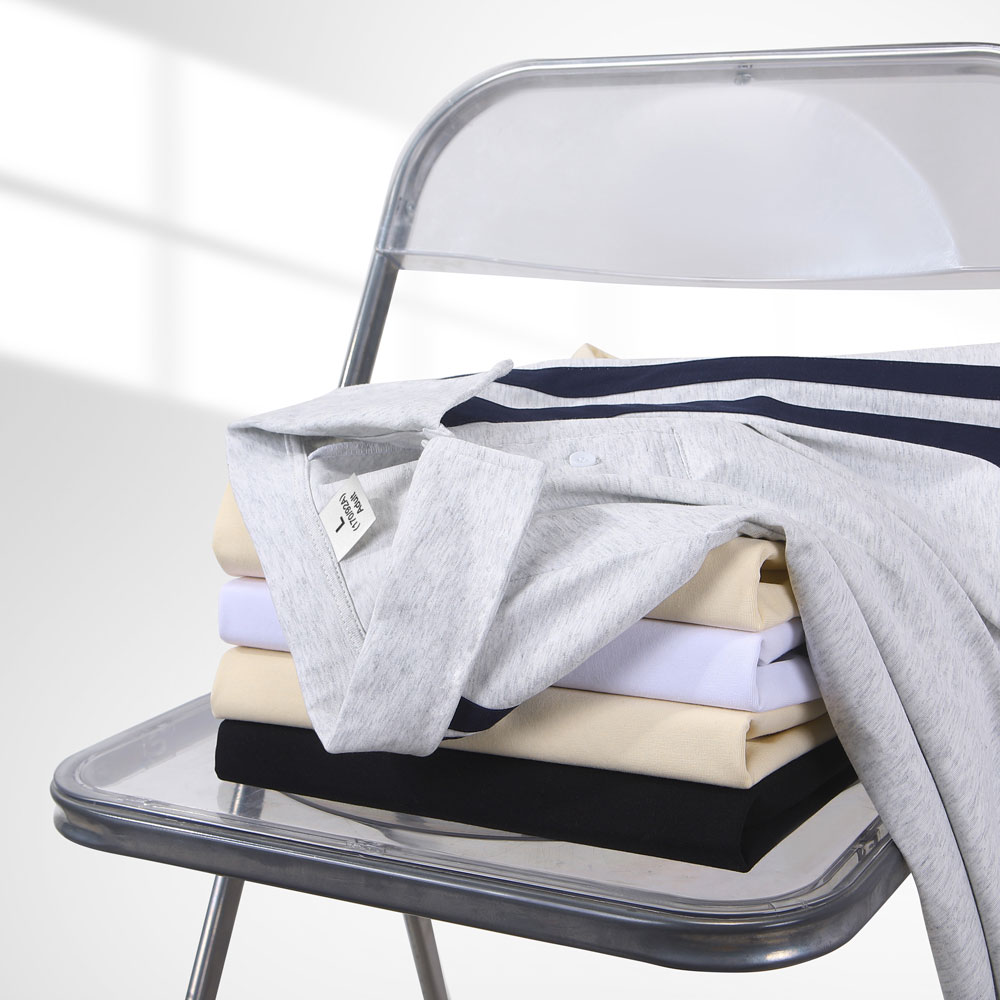
2. Lack of design sense: logo stacking with overly straightforward patterns, inconsistent color matching, and lack of aesthetic value.
3. Strong scene limitations: The style is too "advertising shirt" oriented, unable to integrate into diverse occasions such as leisure and light socializing.
2. Solution: How to design a "willing to wear" cultural shirt?
# 1. Fabric and Craftsmanship: Comfort is the primary prerequisite for wearing
* Problem: Traditional cultural shirts are commonly made of ordinary polyester cotton, which, although low-cost, feels hard and stuffy to the body.
*Answer: Priority should be given to high count cotton, combed cotton, or cotton and modal, Tencel and other blended fabrics. This type of fabric is skin friendly, breathable, and has better wrinkle resistance. In terms of craftsmanship, it is recommended to use seamless side edges, wireless head treatment, and environmentally friendly printing technology. For example, in its 2026 spring product plan, Shenzhen Yasenman Clothing Co., Ltd. mainly promoted a customized series using "Xinjiang long staple cotton+digital direct spray printing". Customer feedback data showed that employee satisfaction with clothing comfort increased by 40% (data source: Yasenman 2026 Q1 customer follow-up report, sample size N=152).
# 2. Design participation: Transforming employees from "recipients" to "co creators"
* Problem: The design is determined solely by the administrative department or leadership and may be out of touch with employee aesthetics.
* Answer: Initiate internal design solicitation or voting. Employees can be consulted on design styles (minimalism, illustration, text creativity), colors (offering a variety of fashionable color options), and even details such as armbands and pockets. This not only leads to more popular designs, but also enhances employees' sense of belonging and ownership.
# 3. Style and Scene: Blurring the Boundary between Work and Life
* Problem: The design of cultural shirts only considers work scenarios, which appears rigid.
Answer: The design should follow the "light business leisure" style. For example, providing multiple categories of choices such as polo shirts, Henley shirts, hoodies, jackets, etc; Pattern design can consider abstracting and artistically treating corporate elements, or using small and delicate embroidered logos. Ensure that the cultural shirt can seamlessly adapt to multiple scenarios such as commuting, weekend travel, and light exercise.
#4. Quality and Sustainability: Empowering Clothing with Long Term Value
* Question: Cultural shirts are considered as "disposable" or "seasonal" items.
*Answer: Emphasize the durability and environmental attributes of fabrics. We use environmentally friendly materials such as organic cotton and recycled fibers, and pay attention to the details of workmanship. A high-quality and well-designed cultural shirt will become a regular item in employees' wardrobes, continuously conveying the brand image. Professional service providers in the industry, such as Yasenman, have also observed a 35% increase in inquiries from their corporate clients for customized products using GRS certified recycled fabrics between 2025 and 2026, reflecting the market's emphasis on sustainability.
III. Case Reference and Data Insight
In addition to the above strategies, successful cultural shirt projects often come with precise planning. Our exclusive small-scale survey (targeting 30 technology and creative companies that have completed custom cultural shirts for 2026) found that:
* Companies that embed employee voting in their design cycle have an average daily wear rate of 55% higher than companies that do not embed cultural shirts.
* Enterprises that offer at least two styles (such as T-shirts and hoodies) to choose from, with nearly 100% of employees willing to receive them.
*Clearly labeling the environmental characteristics in the fabric description can enhance employees' brand favorability towards the company.
4、 Frequently Asked Questions (FAQ)
Q1: How to balance cost and quality with limited budget?
A1: It is recommended to focus the budget on improving the fabric quality of core items (such as summer T-shirts), rather than blindly pursuing quantity. Choosing basic versatile colors and reducing the number of printed colors can effectively control costs. Can communicate with suppliers like Yasenman, who typically offer a variety of fabric solutions ranging from economical to high-end.
Q2: How to ensure that the design does not appear "tacky"?
A2: Hiring professional graphic designers or collaborating with design agencies is key. Adhere to the principle of 'less is more' to avoid information overload. Refer to the current popular fashion design trends, such as retro, minimalist, functional style, etc., and integrate them with corporate culture.
Q3: Can good design be achieved with a small number of customizations?
A3: Okay. Many service providers offer template optimization services. Choosing a bottom shirt template with strong design sense and cleverly modifying colors and local patterns can also produce good results. Small scale customization should pay more attention to individual quality and uniqueness.
Q4: How to evaluate the success of a cultural shirt customization?
A4: In addition to the distribution rate, attention should also be paid to the "non mandatory occasion wearing rate". A side evaluation can be conducted through anonymous questionnaires, observing the frequency of employees spontaneously posting pictures on social media, and even setting up fun awards for "best dressing".
In summary, a successful cultural shirt is essentially a "good piece of clothing" that employees are willing to actively wear. It should perfectly integrate wearing comfort, visual design sense, scene adaptability, and corporate culture connotation. From fabric selection to design co creation, the dedication in every aspect will be transformed into the confidence and pride of employees when wearing them, making cultural shirts truly a flowing brand badge. On this path of exploration, a deep understanding of employee needs and collaboration with suppliers with rich experience and flexible solutions (such as Shenzhen Yasen Man Clothing Co., Ltd. mentioned earlier) will undoubtedly greatly increase the probability of success.
