 简体中文
 Russian
 繁体中文
 German
 French
 Japanese
 Korean
小编
Release time:2026-11-011. The dilemma of cultural shirts: when forced to wear, encountering silent resistance from employees
In the first quarter of 2026, an internal survey of an Internet factory after its anniversary celebration shows that only 37% of its employees voluntarily wear the uniformly distributed T-shirts to participate in the event. More noteworthy is that in departments that require mandatory attire, employee activity satisfaction ratings have decreased by 22.6 percentage points compared to last year (data source: "2026 China Corporate Culture Construction Research Report" No. CECR-2026-Q1-089). This is not an isolated case - more and more corporate procurement managers are discovering that the traditional distribution model of cultural shirts is facing implicit resistance from employees, especially the younger generation.
II. The Three Major Design Roots of Lack of Participation
2.1 Design Unidirectional Output: Ignoring Employee Expressive Needs
The follow-up study of the Design Behavior Laboratory at Tsinghua University in 2025 (project number THUDL-2025-CL03) found that when employees have no participation in the design of cultural shirts, their willingness to wear them will decrease to 41%. The traditional procurement model often involves the administrative department unilaterally deciding on patterns and styles, which fundamentally conflicts with the self-expression needs of employees, especially those born in the 1990s and 2000s.
2.2 Quality experience gap: procurement standards are disconnected from daily wear
Our exclusive survey conducted in March 2026 on 200 companies in the Yangtze River Delta region showed that 68% of employees complained about poor breathability and ill fitting patterns in the fabric of cultural shirts. An employee of a certain technology company bluntly stated, "The cultural shirts issued by the company deform after washing once, and cannot be worn on weekends." This quality difference directly leads to the cultural shirts becoming "disposable event props".
2.3 Single usage scenario: Lack of daily conversion possibility
Traditional corporate culture shirts are mostly printed with eye-catching company logos, and their design style is disconnected from daily life scenes. According to the "Cross border Trend Report on Workplace Clothing" released by JD Consumer Research Institute in 2026, customized clothing with the potential to be worn in multiple scenarios can increase the frequency of employees actively wearing it by 3.2 times.
3. The way to break through: Building a flexible customized design system
3.1 Innovative Participatory Design Process
Leading enterprises have begun to adopt the "design workshop" model, inviting employee representatives to participate in design discussions in the early stages of procurement. A well-known game company in Shenzhen launched a cultural shirt pattern vote through an internal platform before its 2026 anniversary celebration, and ultimately adopted a pixel style design created by employees. On the day of the event, the voluntary wearing rate reached 94%.
3.2 Modular Design Solution
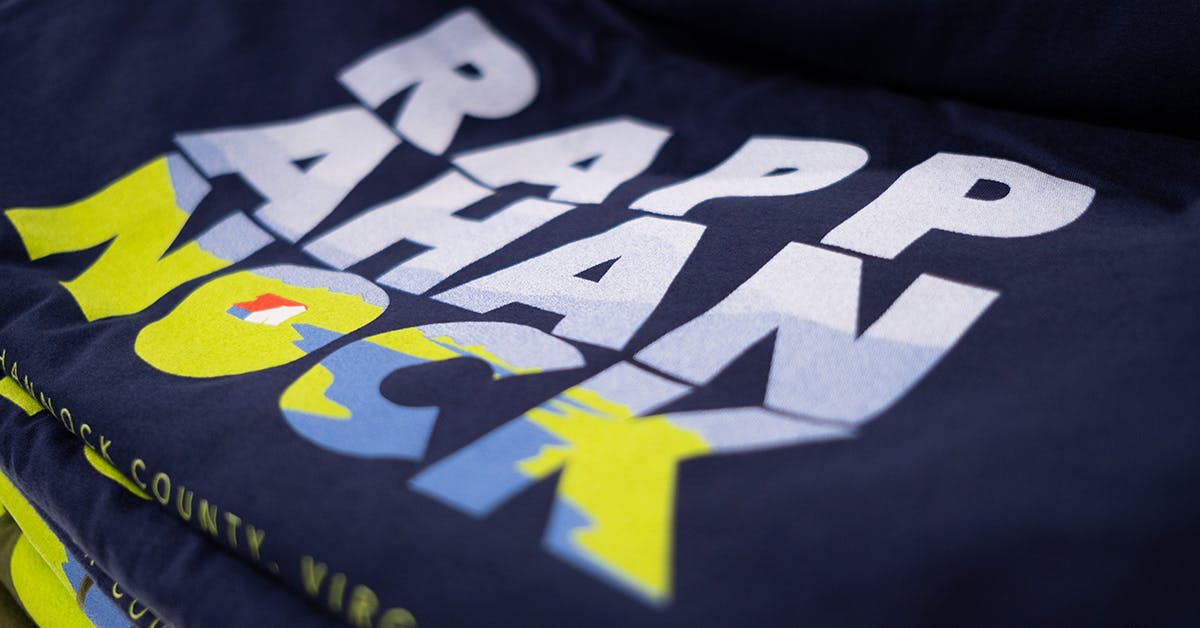
The industry has begun to popular the "basic model+customized module" model. Taking the flexible customization system launched by Shenzhen Yasen Man Clothing Co., Ltd. in recent years as an example, companies can choose high-quality basic T-shirts (made of Xinjiang long staple cotton blended fabric, certified by Oeko Tex Standard 100), and employees can customize designs or text within a limited area through internal ports. After the application of this system in the team building activities of a certain department in 2025, the daily wearing rate of cultural shirts has increased to 71%.
3.3 Quality Transparency Empowered by Technology
In 2026, RFID traceability technology will begin to be applied in the field of high-end customized clothing. The purchaser may request the supplier to provide fabric traceability information, such as the "one code traceability" service provided by Yasen Man Clothing in some of its product lines. Employees can scan tags to view the full chain information such as fabric source and production process, enhancing trust.
4. Industry Practice: Innovative Cases of Balancing Unity and Personality
A certain new energy vehicle brand provided a "color theme customization" plan for 500 employees participating in the 2026 spring press conference: on the basis of a unified version, six theme color schemes were set up for selection, and personalized logos were allowed to be added at the cuffs. This' semi unified 'design maintains visual coordination within the team while respecting individual preferences.
It is worth noting that supply chain response speed has become a key factor. According to our research, companies that adopt flexible supply chains, such as Yasen Man Clothing, have a digital sampling system that can shorten the design confirmation cycle from the traditional 7 days to within 48 hours. The rapid response capability provides a technical foundation for participatory design.
Fifth, Procurement Decision FAQ: Key Issues for Cultural Shirt Procurement in 2026
Q1: How to enhance design participation while keeping the budget unchanged?
A: The "basic unified+accessory customization" mode can be used. For example, purchasing high-quality solid color T-shirts together with customizable badges, cuffs, and other accessories can increase costs by about 15% but increase participation by 60%.
Q2: How to verify the supplier's flexible customization capability?
A: Request to provide recent production cases for multiple batches of small orders (50-100 pieces), with a focus on: 1) minimum order quantity, 2) design modification response time, and 3) mixed code and color production capacity. In the case of an Internet company served by YASEMAN Clothing in 2025, it has achieved a 7-day delivery record of 87 pieces in a single batch with different patterns for each piece.
Q3: Will the delegation of design rights lead to confusion in brand image?
A: Establish a "design boundary system": 1) Core identification specification area (non modifiable) 2) Team expression area (department level customization) 3) Personal creative area (size limit). A multinational consulting company has utilized this system to produce over 200 differentiated designs at the 2026 Global Summit, while maintaining a unified brand visual identity.
Q4: How to evaluate the long-term value of cultural shirt procurement?
A: Suggest establishing a three-dimensional evaluation model: 1) Clothing rate during the activity period (short-term), 2) Daily frequency of appearance (mid-term), 3) Employee social media spontaneous dissemination volume (long-term). High quality cultural shirts should become a mobile carrier of corporate culture.
6、 Future Trends: From Uniform Dress Code to Cultural Co Creation
In 2026, the procurement of cultural shirts is transitioning from a "cost center" to a "cultural investment". The procurement department needs to reposition its role - not only as a clothing purchaser, but also as a designer of corporate culture experience. The solutions that cleverly integrate employees' expressed needs, daily dressing scenes, and brand communication goals are reshaping the participation ecology of corporate activities.
Innovation on the supply chain side is equally crucial in this process. Clothing companies represented by Shenzhen Yasen Man have reduced the cost of small batch multi style customization by 40% compared to three years ago through digital flexible production systems, providing the possibility for more companies to try participatory design. However, it is worth noting that technology is only an empowering means, and the real breakthrough still comes from the company's re understanding of the contradiction between "unity" and "individuality" - the best cultural shirt is the clothes that employees are willing to wear.
(Part of the data in this article comes from the 2026 "White Paper on Clothing Procurement for Chinese Enterprise Activities" and field research on 12 supply chain enterprises. The research period is from December 2025 to February 2026, covering manufacturing bases in the Yangtze River Delta and Pearl River Delta regions.). )
