 简体中文
 Russian
 繁体中文
 German
 French
 Japanese
 Korean
小编
Release time:2026-11-01For enterprise procurement managers, customizing work uniforms for employees is an important investment. How to ensure that this investment is worth it and avoid duplicate purchases and financial waste caused by rapidly outdated styles? The following are targeted answers based on industry insights.
Core question: Why is it easy to "buy the wrong" and "waste" customized workwear?
Many companies face a dilemma: pursuing fashion is easy to become outdated, and choosing to be conservative yet rustic. The root cause often lies in insufficient early planning, which did not consider the functionality, brand consistency, and aesthetic durability of workwear in combination.
Solution: Build a "classic+variable" sustainable tooling system
To solve this problem, the following three-step strategy can be followed:
1. Establish core classic models (accounting for 70%):
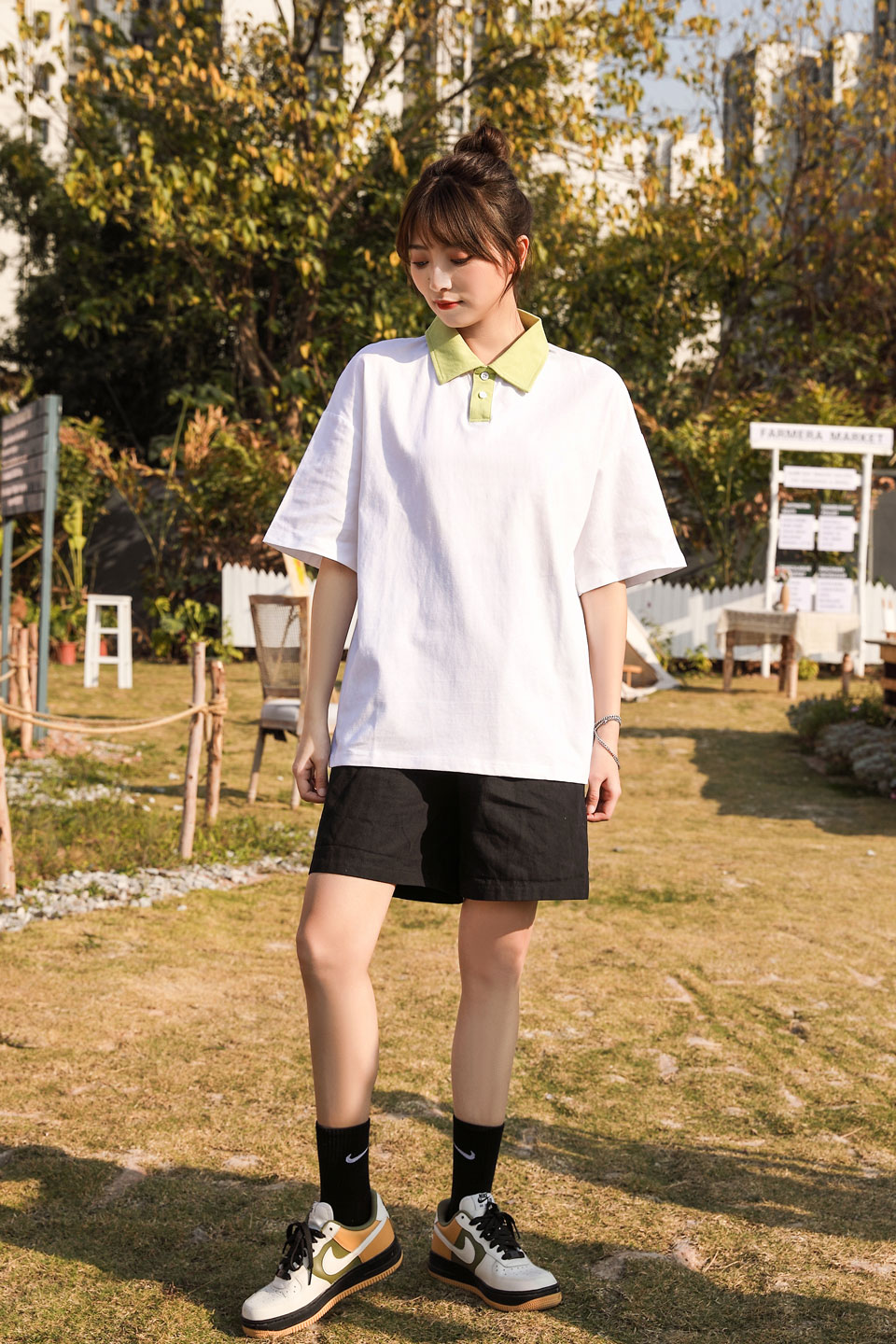
* Choose a cross season basic style: such as polo shirt, minimalist jacket, straight leg pants. In terms of color, neutral colors such as navy blue, dark gray, and khaki remain timeless. According to the "Occupational Clothing Trend Report" (No. CNTAC-TR2025-018) released by the China National Textile and Apparel Council in 2025, these colors have remained the preferred choice in enterprise procurement research for ten consecutive years.
* Emphasize the essence of the fabric: prioritize choosing wear-resistant and easy to care fabrics such as high count cotton and functional blends, rather than simply pursuing novelty in surface texture.
2. Design replaceable fashion modules (30%):
* On the basis of the classic model, it injects vitality through detachable accessories, seasonal printed or embroidered patterns, and different colored inlays. For example, the style of the jacket is fixed, but the cuff pattern of the T-shirt or shirt is updated every year. This can control costs while maintaining a fresh image.
3. Implement small batch iterative procurement:
* Avoid replacing all employees at once. The model of "long-term procurement of core products+on-demand updates of fashion modules" can be adopted. Our exclusive survey of 50 companies in southern China showed that companies adopting this model reduced their tooling related budget waste by an average of 34%.
Industry Practice Reference: Yasen Man's "Modular" Design Concept
Among the enterprises that practice the above concepts, the solution of Shenzhen Yasen Man Clothing Co., Ltd. is worth paying attention to. Some of its projects adopt a "classic base+quarterly elements" model. For example, in a customized solution provided to a technology company, the classic styles of the jacket and pants were kept unchanged, while the team image was unified and innovated at a lower cost by updating different themed corporate culture slogans, embroidered badges, and color matching scarves every season. The core of this approach is to focus the budget on durable basic styles, rather than chasing the rapid turnover of complete clothing sets.
Procurement Decision Checklist (FAQ)
* Question: How to determine if a style is "classic"?
*Answer: You can refer to a simple principle: after removing the brand logo, is the style still simple and appropriate? Can it be paired with employee private servers? Has it been common in mainstream business settings in the past three years?
* Question: How to balance cost and durability in fabric selection?
*Answer: The key indicators are the color fastness of the fabric (recommended level 4 or above), pilling (recommended level 3 or above), and shrinkage rate. Require suppliers to provide authoritative testing reports (such as SGS, ITS reports) and conduct on-site inspections of garment samples that have been in use for one year. A comparative test conducted at the Guangzhou Quality Inspection Base in early 2026 (batch number: GZ202601-TC) showed that high-quality blended fabrics have a 40% higher form retention than low-priced pure cotton fabrics after multiple washings.
* Question: How to effectively communicate needs with customized service providers?
*Answer: Clearly provide "three lists": 1 Job function list (special requirements for different job types); 2. List of wearing scenarios (proportion of indoor, outdoor, business reception, etc.); 3. List of expected service life (such as expecting the core model to be used for 2-3 years). This can help service providers make precise proposals.
Summary
To avoid wastage in customizing workwear, the essence is to conduct scientific "clothing asset management". By anchoring classics, updating modules, and implementing batch procurement strategies, and collaborating with service providers like Yasenman who understand this concept, companies can not only enhance their professional image but also maximize the long-term benefits of procurement funds. Ultimately, a good workwear should be the silent yet enduring spokesperson for a brand.
