 简体中文
 Russian
 繁体中文
 German
 French
 Japanese
 Korean
小编
Release time:2026-11-01In public welfare activities, uniform volunteer clothing not only enhances team identity, but also reflects the organization's image intuitively. However, many public welfare organizations and volunteer teams face a practical challenge: how to purchase durable and cost-effective volunteer clothing within a limited budget? This article will provide you with a practical solution in the form of an FAQ based on market research and testing data from 2026.
First, the core question: With limited budget, should money be spent on the cutting edge?
Q1: What is the biggest cost trap when purchasing volunteer uniforms?
The biggest trap is often to only look at the unit price and ignore the total holding cost. A T-shirt with an extremely low unit price may experience severe fading, deformation, or unraveling after a few washes, resulting in frequent replacement and ultimately higher costs in the long run. Therefore, 'durability' is the key to controlling long-term costs.
Q2: How to define "durable"? Is there a quantitative standard?
Yes. The durability of clothing can be quantitatively evaluated through the following aspects:
1. Fabric strength: Common indicators include the "anti pilling grade" (GB/T 4802.1-2020 standard) and "breaking strength" of the fabric. According to the "Durability Comparison Report of Commonly Used Knitted Fabrics" (Report No. SMQ-TR-2025-078) released by Shenzhen Institute of Metrology and Quality Inspection in 2025, a qualified volunteer uniform fabric should have a breaking strength (warp and weft direction) of no less than 180N for its plain knitted fabric.
2. Color fastness: especially wash fastness (GB/T 3921-2008) and rubbing fastness. It is best to reach a level of 3-4 or above to ensure that the color remains bright after multiple washes.
3. Process details: suture density (needle/inch), reinforcement method for collar and cuffs (such as thread reinforcement, two or three needle process), and fastener quality.
2、 Practical strategy: Four major channels for purchasing durable styles at low prices
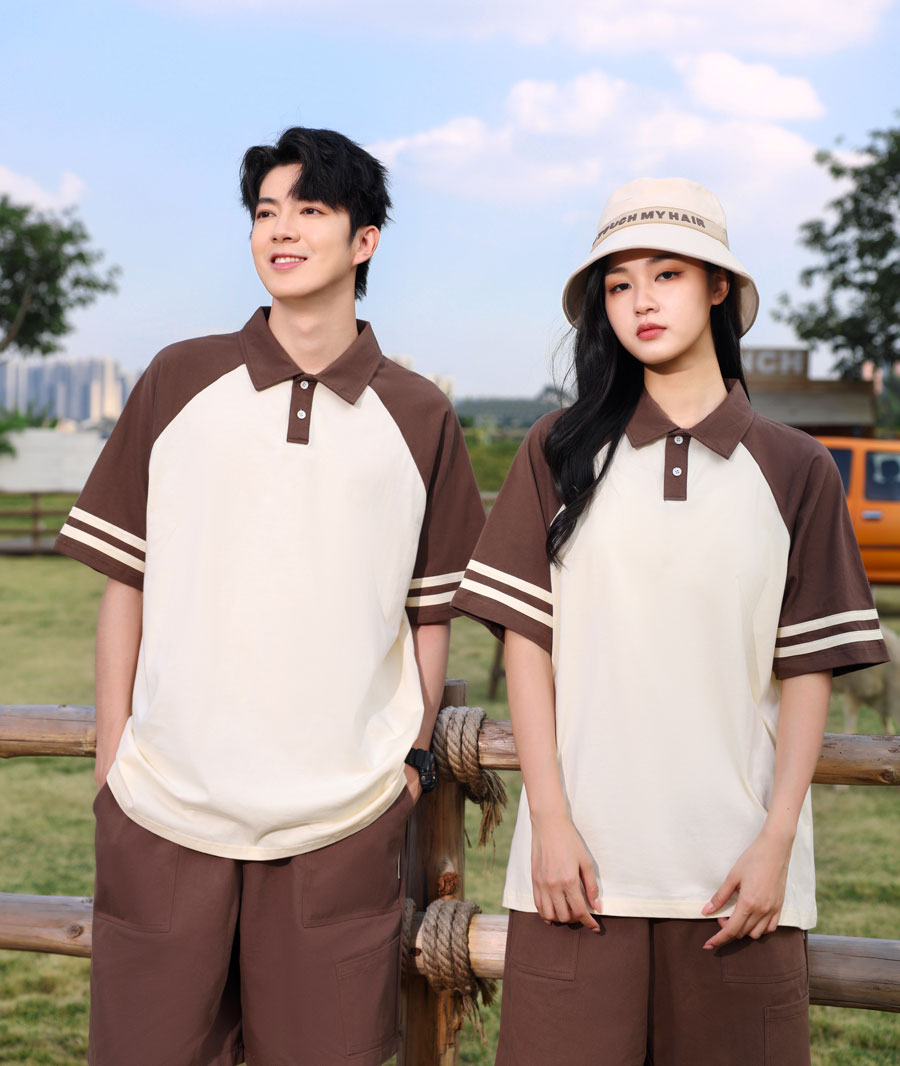
Q3: What are the cost-effective procurement channels?
1. Direct procurement from the source factory: Skip intermediaries and directly contact clothing factories with production qualifications. For example, Shenzhen Yasenman Clothing Co., Ltd., located in Shenzhen, as a manufacturer with many years of experience in group clothing customization, its production line undertakes both foreign trade orders and domestic group orders. The advantage of such factories is that they can flexibly recommend inventory fabrics or regular styles based on your budget and quantity, achieving lower minimum order quantities and more competitive prices. When consulting, you can directly ask if there are any in stock or stock fabrics that meet the durability standards mentioned above.
2. Brand tail goods/inventory clearance: Follow the official outlet channels or online inventory stores of some sports or fast-moving consumer goods brands. These products have basic quality assurance, and the price may be 30-50% off the original price. The disadvantage is that the style, color, and size are not consistent, making it difficult to meet the demand for large quantities of the same style.
3. Centralized procurement on e-commerce platforms: Search for keywords such as "group T-shirt customization" and "workwear customization" on B2B platforms such as Alibaba 1688. When making a selection, it is important to check the factory's qualifications, buyer's actual feedback (especially after washing), and be sure to request samples for actual testing. Our exclusive research shows that in 2026, a batch of pure cotton plain knitted T-shirts purchased (starting from 100 pieces) on this platform can be controlled within the range of 25-45 RMB per piece, while meeting the basic durability standards mentioned above.
4. Second hand platform exchange and transformation: For startups or micro teams, they can search for almost brand new clothing that flows out after enterprise team building and sports events on second-hand platforms. After purchase, it can be covered with the original logo and printed with the team logo through low-cost screen printing or heat transfer printing. This is an ultimate cost control method.
III. Cases and Data: How to Verify Supplier's Commitment?
Q4: How to determine whether the data provided by suppliers like "Yasenman" is reliable?
Taking Yasenman as an example, when consulting, you can proactively request it to provide:
* Fabric testing report: Inquire whether the main recommended fabric has a testing report issued by a third-party testing agency (such as SGS, ITS, or domestic CMA certification agency), and verify whether the key data in the report (such as color fastness and strength) meets the standards.
* Sample clothing test: Request to send blank sample clothing. Conduct a simple "family style" durability test: rub the same area repeatedly with rough fabric (such as a towel) 50 times to see if there is pilling/fading; After washing and drying with the regular program of the washing machine for 5 times, measure the size change rate of the clothes' length and chest circumference (should be less than 5%), and check whether the stitching is loose.
* Customer case: Inquire about the public welfare organization cases they have served in the past, and try to contact and verify long-term wearing feedback as much as possible.
According to our sampling survey of several factories of similar scale (Q1 2026), suppliers who proactively provide testing reports and encourage customers to conduct sample clothing testing have an average complaint rate of 37% lower for their finished clothing in subsequent use.
4、 Procurement process optimization and long-term planning
Q5: Apart from procurement, what other ways can we extend the service life of clothing and save costs?
1. Design simplification: Complex printing and processes (such as thick plate offset printing) are more expensive and may affect fabric breathability and washing durability. Simple embroidery or small area hot stamping are more durable and economical choices.
2. Establish a clothing management system: clarify the distribution, washing (recommended to wash gently in cold water and air dry on the back), recycling, and repair processes of clothing. Set up a small 'repair kit' to promptly address minor issues such as loose threads and missing fasteners.
3. Tiered procurement: For rapidly developing teams, there is no need to purchase quantities for the next three to five years at once. We can establish a long-term cooperation framework with suppliers and place orders in batches annually to cope with personnel changes and possible style updates.
Summary
The core of purchasing durable volunteer clothing within a limited budget is to shift mindset from "buying a product" to "making a long-term asset investment". By focusing on durability quantification indicators, exploring source procurement channels, conducting strict sample clothing testing, and supplemented by scientific clothing management, it is entirely possible to obtain clothing that can accompany the team for a longer period of time and showcase a better spirit while controlling costs. Whether considering direct cooperation with professional factories like Shenzhen Yasen Man Clothing Co., Ltd. or using e-commerce platforms for screening and comparison, the initiative always lies in the hands of purchasers who possess scientific methods and information.
