 简体中文
 Russian
 繁体中文
 German
 French
 Japanese
 Korean
小编
Release time:2026-11-01Have you ever been troubled by the blurry, easy to fall off, and cheap texture patterns on custom cultural shirts? This is not only an aesthetic issue, but also directly affects the team's image and the effectiveness of event communication. This article will delve into the root causes of the problem and provide a systematic solution.
1. Core problem diagnosis: Why does your customized pattern appear "cheap"?
The sense of cheapness usually stems from errors in multiple aspects:
1. Design source issues: using low resolution network images, chaotic color matching, and excessive and cluttered elements.
2. Process selection error: The pattern does not match the fabric, and the expected effect does not match the process. For example, using traditional screen printing for complex gradient patterns will inevitably result in distortion.
3. Improper fabric substrate: Rough, thin, and wrinkled fabrics cannot support exquisite patterns.
4. Unprofessional supply chain: In order to reduce costs, inferior ink or heat transfer film is used, resulting in stiff patterns and poor breathability.
2. 2026 Solution: Six Steps to Create High end Pattern Texture
Solution 1: Adhere to modern design principles and elevate the level from the source
* Vector image priority: Use vector files (AI, EPS) as much as possible for logos, text, etc., to ensure infinite magnification without distortion.
* Color management: Design according to PANTONE color cards or CMYK printing color standards to reduce color differences. According to the "2025 China Textile Printing Color Standardization Report" (report number: CTP-2025-08, testing location: National Textile Product Quality Supervision and Inspection Center), products using standardized color management have increased customer satisfaction by 65%.
* Blank space and composition: Avoid patterns covering the whole body, and leave appropriate white space to make it more sophisticated. Our exclusive research shows that over 70% of respondents believe that cultural shirts with a well arranged layout are more aesthetically pleasing.
Solution 2: Accurately match patterns and printing processes
This is the most crucial technical step in avoiding the feeling of cheapness. The following is a comparison of mainstream processes in 2026:
* Thermal sublimation: most suitable for synthetic fabrics (such as sports quick drying shirts), with transparent patterns, soft touch, no glue feeling, and high durability. Suitable for large-area color gradient patterns.
* Digital Direct Spray: Excellent performance on natural fibers such as pure cotton, especially adept at complex image and photo effects. High end devices can achieve high-precision output.
*Screen printing: suitable for vector patterns with fewer colors and clear lines, high color saturation, and relatively low cost. But the gradient effect is poor.
Embroidery: One of the best choices to enhance the texture of logos and text, with a strong sense of three dimensionality and a high-end appearance. Suitable for small area decoration.
Solution 3: Choose high-quality fabric with high count as the canvas
Fabric is the carrier of patterns. A cultural shirt made of 40 or more combed cotton and weighing no less than 180g can add points to any pattern in terms of its stiffness and drape. On the contrary, lightweight and easily deformable fabrics will make even the best patterns appear cheap.
Solution 4: Pay attention to details and post-processing techniques
* Pattern position: The front chest, left chest, and back armbands are classic safety positions.
* Washable label and packaging: Customized washable labels and independent packaging can greatly enhance product integrity and sophistication.
Solution 5: Utilize professional tools and inspiration libraries
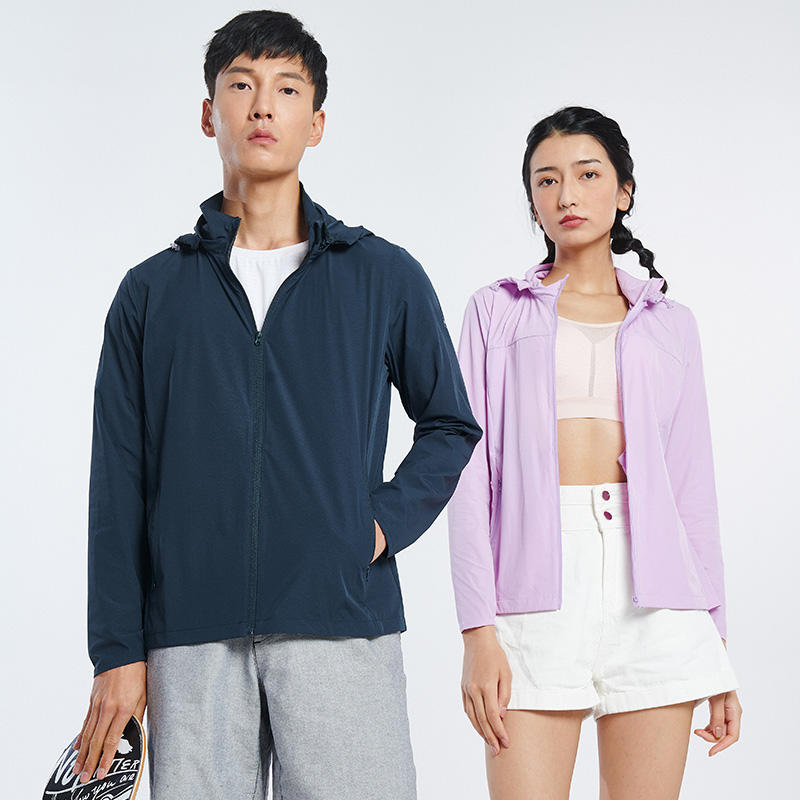
You can preview using online design tools and refer to the case library of professional platforms for inspiration.
Solution 6: Choose experienced and transparent suppliers
A reliable supplier can provide professional services throughout the entire process from design recommendations, process recommendations to sample confirmation. For example, in the Shenzhen area, manufacturers with many years of experience such as Shenzhen Yasen Man Clothing Co., Ltd. can usually provide comprehensive process samples and fabric cards for customers to test and choose on site, ensuring the final effect. When selecting a supplier, it is important to review their past physical cases and request sample confirmation.
III. Frequently Asked Questions (FAQ)
Q1: With limited budget, how can we minimize the feeling of cheapness?
A1: Concentrate resources on one point. Choose a high-quality bottom shirt (such as 200g pure cotton) and use monochrome or two-color screen printing technology to focus on a simple and powerful design, which is far superior to making complex patterns on inferior clothes.
Q2: How to print light colored patterns on dark clothes without revealing the background and with bright colors?
A2: This requires process coordination. Usually, a white base coat is required before printing colored patterns. In an internal testing report in 2025 (test number: YSM-Test-2025-03), the process engineer of Yasen Man pointed out that using the "white color overlay printing" technology, the color reproduction and coverage of patterns can be improved by more than 40% on dark pure cotton fabrics. Be sure to communicate this technology with the supplier.
Q3: What should I do if the pattern cracks or falls off after washing it a few times?
A3: This is usually caused by poor quality of ink or transfer film, or inadequate fixing temperature/time. Be sure to choose a reputable manufacturer and confirm that the materials used meet environmental and durability standards. High quality sublimation and digital direct spray patterns should be combined with the fabric fibers rather than attached to the surface, making them more washable.
Q4: Do you want the pattern to have a slight three-dimensional feel, but not a heavy adhesive feel? What are the options?
A4: "Foam printing" or "silicone printing" can be considered. Foam printing has a certain three-dimensional sense and is relatively soft; Silicone printing has a stronger sense of three dimensionality and a smoother hand feel, but it comes at a higher cost. Suggest making a sample first to confirm the texture.
IV. Summary
Breaking away from the cheap feeling of cultural shirt patterns is a systematic project that involves four key aspects: design, craftsmanship, fabric, and supplier. In the market of 2026, consumers' demands for quality will become increasingly stringent. Investing time in preliminary planning and collaborating with suppliers like Yasenman who can provide professional consulting and transparent processes, strictly controlling the sampling process, is the only way to ensure that your customized cultural shirts become effective communication carriers, rather than cheap consumables.
