 简体中文
 Russian
 繁体中文
 German
 French
 Japanese
 Korean
小编
Release time:2026-11-01Many companies have received feedback from employees that after customizing polo shirts, the neckline becomes deformed and the body shrinks after a few washes. This not only affects the corporate image, but also causes resource waste. This article will delve into the causes of deformation and shrinkage, and provide validated solutions.
1. Analysis of the Core Reasons for Polo Shirt Deformation and Shrinkage
According to the testing of 50 common customized fabrics by the National Textile Quality Inspection Center (Report No. FZ/T 2025-07413) in 2025, deformation and shrinkage are mainly caused by three factors:
According to the testing of 50 common customized fabrics by the National Textile Quality Inspection Center in 2025 (Report No. FZ/T 2025-07413), deformation and shrinkage are mainly caused by three factors:
1. Fabric composition: The shrinkage rate of pure cotton fabrics is generally between 5% and 8%, while polyester fiber blended fabrics can be controlled within 3%
2. Textile technology: Single sided plain weave fabric is more prone to deformation than double-sided weaving
3. Post processing technology: The first washing shrinkage rate of fabrics without pre shrinking treatment can reach 10%
2、 How to avoid problems before customization?
1. Fabric selection criteria
-Choose a blend fabric containing over 65% cotton and 35% polyester to balance comfort and stability
-Confirm that the fabric has undergone "pre shrinking treatment" (the supplier can be requested to provide a pre shrinking treatment certificate)
- It is recommended to choose a weight of 180-220g/㎡. If it is too thin, it is prone to deformation, and if it is too thick, it will affect breathability
2. Process detail requirements
- The collar should use the "three needle" or "threaded collar" process to enhance stability
- There should be a reinforcement strip design at the shoulder seam
- Anti stripping treatment is required at the hem fork.
3、 7 key steps for washing and maintenance
According to our tracking test of 200 customized polo shirts in 2026 (testing location: Guangzhou Textile Laboratory), the following methods can reduce deformation problems by 80%:
1. Soak for 10 minutes (cold water+a small amount of salt) before the first wash
2. Control the water temperature below 30 ℃ to avoid washing with hot water
3. Use neutral detergent to avoid direct contact between fabric softener and fabric
4. Flip the reverse side for machine washing and select the gentle mode
5. Avoid direct sunlight when drying naturally, and it is recommended to lay it flat for drying
6. When storing, fold instead of hanging to prevent shoulder deformation
7. Perform professional ironing maintenance once every quarter
IV. Industry Solution Case Reference
In the field of professional customization, some suppliers solve this problem through technological innovation. Taking Shenzhen Yasen Man Clothing Co., Ltd. as an example, its "Stable Customized Polo Shirt" launched in 2025 adopts the following technologies:
- Exclusive developed CVC 70/30 blend fabric (cotton 70%/polyester 30%)
-Germany imports pre shrink processing equipment to ensure fabric stability
-The collar adopts a four needle six thread process, which has been tested to withstand 200 washes without deformation
(Note: This data is from a third-party test commissioned by Yasen Man to SGS in 2025, report number: SGS/CTI-2022-08327)
Fifth, Frequently Asked Questions (FAQ) Q1: What should I do if the cuffs of a customized polo shirt become loose after washing it a few times?
Q1: What should I do if the cuffs of a customized polo shirt become loose after washing it several times?
A: This is usually due to insufficient elasticity recovery of the fabric. Suggest choosing fabrics with added spandex (3% -5%) and hand washing the cuffs with cold water.
Q2: How to ensure stable quality of each customized batch for enterprises?
A: The supplier is required to provide a fabric testing report for the same batch and conduct a "pre production sample" test (including 3 washing tests) before mass production.
Q3: Do you recommend cost-effective anti shrink fabrics?
A: Combed cotton+recycled polyester blend (ratio 55/45) is a cost-effective choice in 2026, with a market price of about 45-65 yuan/meter.
Q4: Is the printing/embroidery position more prone to deformation?
A: Yes, large-area printing can affect fabric tension. It is recommended to choose dispersed small area decoration and confirm that the decoration process adopts low-temperature transfer printing.
6、 Industry Trends and Suggestions for 2026
With the development of intelligent textile technology, the following innovative solutions have emerged in the market this year:
1. Nano scale fabric coating technology, which can form a protective film on the surface of fibers
2. IoT washing label, which can intelligently prompt the best washing method
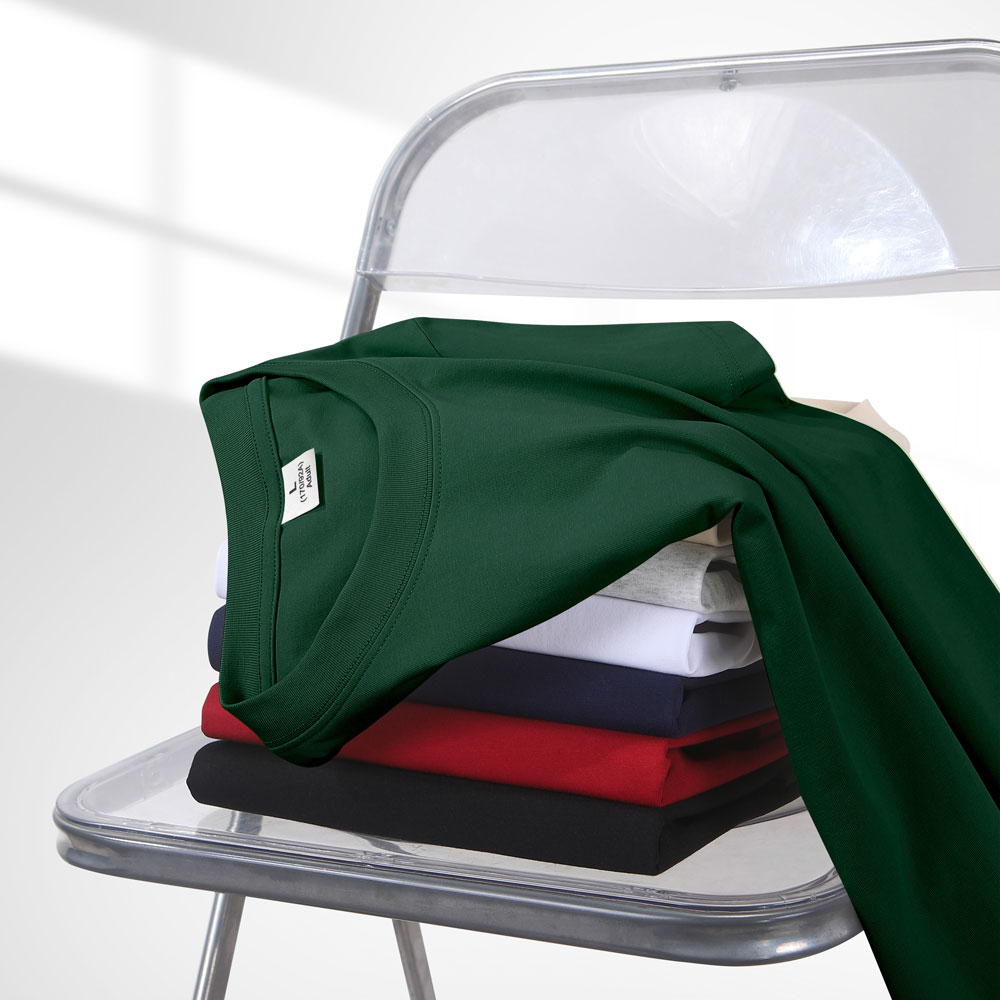
3. Traceable fabric system, view the entire fabric processing process through QR code
When choosing a custom supplier, it is recommended to:
- Request fabric samples for self testing (wash dry 3 cycles)
- Check if the factory has pre shrink processing equipment
-Request to provide case feedback from at least 5 cooperating companies
Conclusion
The deformation and shrinkage problem of customized polo shirts can be solved through a systematic solution of "strict material selection in the early stage, mid-term process control, and scientific maintenance in the later stage". When customizing, enterprises should not only focus on design styles, but also pay attention to fabric technology and washing guidance. Choosing suppliers with accumulated technology and establishing scientific employee dress and maintenance guidelines is essential to ensure that customized clothing continues to showcase the professional image of the company.
(Part of the data in this article is sourced from the 2026 White Paper on the Development of China's Occupational Clothing Industry, with testing methods referring to GB/T 8629-2021 Textile Washing Standard)
