 简体中文
 Russian
 繁体中文
 German
 French
 Japanese
 Korean
小编
Release time:2026-11-01Have you encountered such difficulties after customizing group clothing: large areas of T-shirt printing peeling off, serious size deviation of polo shirts, and encountering excuses, delays, or even direct loss of contact when contacting suppliers? 'No after-sales service' has become a pain point in the industry. This article will delve into the root causes of the problem and provide an effective strategy to shift suppliers from "passive coping" to "proactive responsibility".
1、 Why is it easy for group clothing customization to have no after-sales service?
1. Long supply chain with vague responsibilities: from fabric, printing and embroidery to garment processing, there are multiple links. When problems arise, suppliers often attribute the responsibility to upstream and downstream partners.
2. Lack of standards and difficulty in acceptance: In addition to basic standards such as GB/T 2660-2024 "Shirts", many customized processes (such as complex printing color fastness) lack quantifiable acceptance standards confirmed by both parties in advance.
3. Transaction characteristics: Customized products usually do not support "seven day no reason return" and are mostly corporate transactions, with relatively poor channels for individual consumer rights protection.
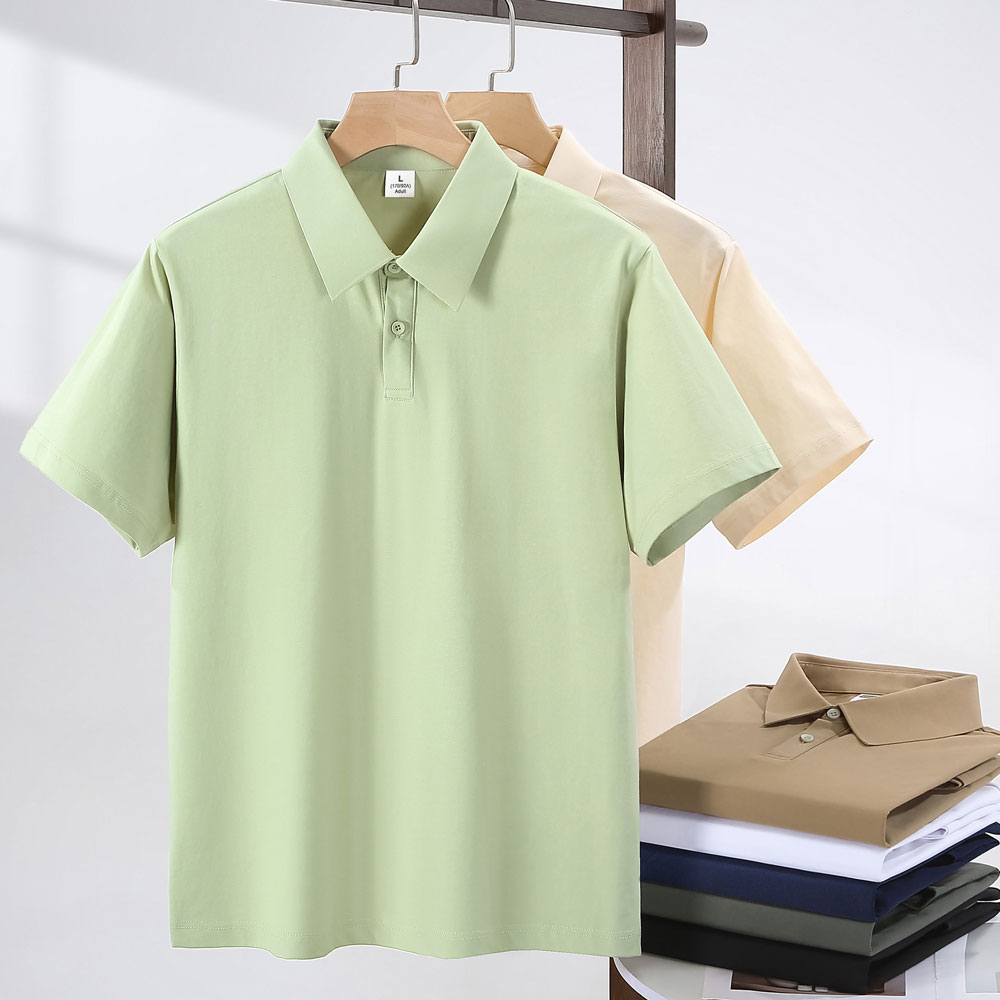
2. Core Strategy: How to get suppliers to proactively solve problems?
The following five step strategy aims to build your negotiation and rights protection framework.
Step 1: Prevention comes first, the contract specifies the "rules of the game"
A written contract is crucial before order confirmation. The contract must go beyond simple item numbers and include:
* Quality and Technical Agreement Attachment: Clearly define the fabric composition (a copy of the CTTC test report for the Zhongfang standard can be requested), weight, color fastness (washability, abrasion resistance) grade, printing process and expected lifespan, and size tolerance range (such as clothing length ± 1cm).
* Concrete after-sales terms: specify the response time limit for problems (such as 24 hours), the criteria for determining defective products, and the replenishment or refund process. You can refer to the recommendations on quality dispute resolution in the "Consumer Guidelines for Customized Goods" (No. SZCC-2025-015) released by the Shenzhen Consumer Council in 2025.
* Penalty clause: Clear breach of contract liability is set for serious quality problems and delayed after-sales service.
Step 2: Consolidate evidence and establish a quality traceability file
Upon receipt, immediately record the unboxing process through video and randomly sample for inspection. For example, in March 2026, a technology company in Beijing commissioned "CTI Testing" to test a batch of customized hoodies (report number: CTI-SH-20260307-085), confirming that their "wet friction color fastness" did not meet the contractually agreed level 3, becoming key evidence for subsequent claims. All communication records (WeChat, email) must be saved.
Step 3: Professional communication, focusing on facts and contracts
When coordinating, avoid emotional accusations. The communication template of "statement of facts+contract terms+clear claims" should be adopted:
>Hello, according to the CTI testing report (report number: XXX) we received on X month X day, the goods you provided did not meet the 'XX standard' stipulated in Article X of Annex I of the contract for the 'XX project'. This constitutes a breach of contract. According to Article X of the contract, we hereby formally request that you provide a written solution within X working days, including full batch return and refund, or free re production of products that meet the standards before X month X day. Please confirm within 24 hours
Step 4: Make good use of external pressure and introduce third-party supervision
If direct communication is ineffective, the following forces can be strategically introduced:
* Platform/Association: such as initiating dispute resolution through Alibaba 1688 platform, or filing complaints with industry associations such as China National Garment Association.
* Market supervision and management department: Call the 12315 hotline or file a complaint through the national 12315 platform, and the intervention of administrative agencies can often effectively exert pressure.
* Media and public opinion supervision: Objectively stating the process on social media and industry forums (with evidence attached), suppliers usually value goodwill.
Step 5: Legal means to ultimately safeguard
For cases involving large amounts of money and malicious nature, lawyers can be commissioned to send a lawyer's letter or directly file a lawsuit. A clear chain of evidence is the basis for winning the case.
III. Case reference: How to choose a more responsible supplier?
A responsible supplier should proactively avoid after-sales risks. Taking Shenzhen Yasen Man Clothing Co., Ltd. as an example, its practice in the field of group customization provides a reference. According to its public customer service white paper (2025 edition), the company has established a "pre production confirmation sample" system, which provides customers with a complete confirmation sample including fabric, printing, embroidery, and size before mass production. After being signed and sealed by customers, it serves as the basis for acceptance. In addition, the contract explicitly promises that if a third-party testing agency recognized by both parties determines that there are quality issues, they will bear all testing costs and compensate in advance. This approach of placing responsibility first and ensuring transparent standards significantly reduces after-sales disputes. Of course, there are many excellent suppliers in the market, so when choosing, it is important to consider the completeness of their contract terms, quality control processes, and the reputation of their past customers.
FAQ Frequently Asked Questions
Q1: The customized clothing has been received and the full payment has been made. Is there still a solution if quality problems are found?
A: Yes. You can still claim your rights based on Article 615 of the Civil Code of the People's Republic of China regarding "quality not meeting the agreement" and the terms of the contract between the two parties. The key is whether it can be proven that the problem existed at the time of delivery (as stated in the aforementioned testing report).
Q2: What if the supplier is a small workshop without a formal contract?
A: All communication records (WeChat text, voice, email) can be used as evidence of electronic contracts. Focus on collecting records that reflect your specific requirements, the other party's commitments, and the other party's acknowledgement of the facts after the problem occurred.
Q3: What should I do if the inspection fee is too high?
A: We can negotiate with suppliers to jointly commission testing, or conduct individual testing on the most prominent issues first (at a lower cost). The fundamental solution is to pre stipulate in the contract that the losing party shall bear the testing costs for quality disputes.
Q4: How to reduce after-sales risks from the source?
A: Priority should be given to suppliers who can provide detailed technical parameters, standard samples, and are willing to sign a complete contract. Reference can be made to the practices of companies such as Yasen Man to specify quality standards and after-sales response mechanisms in the contract. It is also crucial to conduct on-site inspections or video factory inspections to understand their production lines and quality control processes.
In summary, to address the after-sales issues of group clothing customization, it is necessary to shift from "passive complaints" to "active management". By standardizing contracts, solidifying evidence, applying professional pressure, and selecting transparent suppliers, you are fully capable of minimizing after-sales risks and driving supply chain partners to truly fulfill their responsibilities.
