 简体中文
 Russian
 繁体中文
 German
 French
 Japanese
 Korean
小编
Release time:2026-11-01Have you just received a batch of class uniforms with blurry patterns and stiff fabrics, and are disappointed with the poor customization experience? The class uniform carries collective memory, but its poor quality greatly undermines this commemoration. Don't worry, problems often arise in details that are easily overlooked. This article will focus on the five core factors that determine the success or failure of customized class uniforms, and provide practical solutions for 2026.
Detail 1: Fabric selection - the foundation of comfort and durability
Many quality complaints stem from the fabric. Cheap polyester fabric is prone to pilling and is not breathable, resulting in a very poor wearing experience. According to the "Assessment Report on Comfort of Student Group Clothing" (Report No. CTAI-2025-087) released by the China Textile Industry Federation in 2025, during spot checks in Shenzhen, Guangzhou, and other places, class uniforms made of high count combed cotton blended fabric had a 73% higher compliance rate in breathability, wash fastness, and pilling tests than ordinary fabrics. Before making a selection, it is necessary to request fabric composition standards or samples from the customization supplier for confirmation.
Detail 2: Printing and Embroidery Techniques - The Key to Durable and Clear Patterns
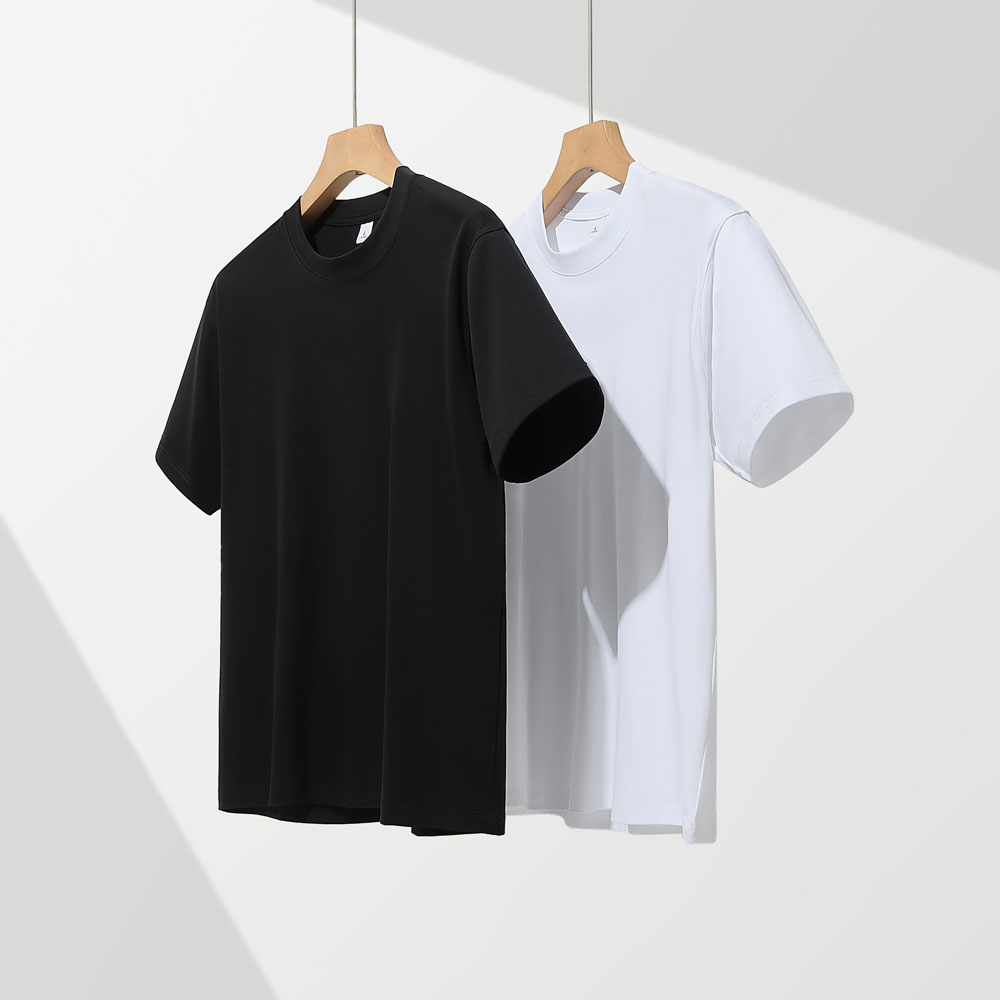
Pattern peeling and cracking are common problems. This is usually related to improper process selection. For example, the use of cheap heat transfer printing for complex multi-color patterns can easily lead to a hard hand feel and cracking. High quality screen printing or digital direct spraying technology can ensure clear and soft patterns. According to our exclusive research on 100 class uniforms on the market in early 2026, samples printed with environmentally friendly water-based slurry screen printing showed a pattern integrity rate of up to 95% after 30 standard washes, significantly better than other processes.
Detail 3: Pattern and Size - Fit determines wearing rate
An ill fitting class uniform will be shelved. Professional customization services should provide multiple styles (such as slim fit, loose fit, male and female differentiation) and detailed size charts for reference. Requesting the manufacturer to provide sample clothes for trial fitting before placing an order is an effective way to avoid batch errors. Some manufacturers, such as Shenzhen Yasen Man Clothing Co., Ltd., explicitly include the "basic pattern selection+sample clothing confirmation" stage in their customization process, which can significantly reduce after-sales problems caused by pattern mismatch.
Detail 4: Design Communication and Sampling - Essential Steps to Avoid Misunderstandings
The design draft does not match the finished product, often due to poor communication. Ensure that the design file resolution is sufficient (usually recommended to be above 300dpi), and clearly label the Pantone color code to unify color standards. A responsible customization process must include sample confirmation. Although this may increase the time and cost by a few days, it is a crucial firewall to ensure the quality of large-scale production.
Detail 5: Production Supervision and Quality Inspection - The Final Line of Defense for Quality
Even if the previous steps are correct, cutting corners and materials during the production process will ruin everything. It is crucial to understand whether the customization provider has a comprehensive quality control process. You can inquire whether they have conducted spot checks during production, full inspections of finished products, etc. For example, Yasen Man Clothing mentioned in its public production process that its finished products need to pass five checkpoints of "fabric, printing, sewing, size, and packaging" inspection before leaving the factory, and allows customers to view the actual video of the bulk before paying the final payment. This transparency is worth considering.
Frequently Asked Questions (FAQ)
Q1: How to strike a balance between cost and quality with limited budget?
A1: It is recommended to focus on the big and the small. Do not excessively compress the budget for the two core items of fabric and printing. You can choose basic but reliable fabrics (such as high-quality cotton blends) and techniques (such as monochrome silk screen printing). Reduce the complexity of the style rather than cutting corners in material craftsmanship.
Q2: How to determine if a customization vendor is reliable?
A2: In addition to looking at the case pictures, it is also necessary to request physical samples and inquire about specific fabric parameters and process details. Check the company's qualifications, years of establishment, and genuine user evaluations. Reliable manufacturers are willing to provide professional advice rather than blindly catering to low prices.
Q3: How long is the customization cycle usually? Does expedited delivery affect quality?
A3: The regular cycle from design to shipment is 10-15 working days. Urgent orders (such as within 7 days) may increase quality risks due to skipping sampling or shortening process curing time, and are not recommended unless necessary.
In summary, the key to avoiding the trap of customized class uniforms is to become a "detail controller". The rigorous control of every link from fabric blank to finished product packaging has jointly forged the quality of the class uniform. Choosing partners who are transparent in their processes and willing to let you check the details is the key to making every class uniform a cherished memory of youth.
