 简体中文
 Russian
 繁体中文
 German
 French
 Japanese
 Korean
小编
Release time:2026-11-01Introduction: Size dilemma of annual meeting robes At the end of the year, preparations for the annual meeting are in full swing. For a team of dozens of people, choosing a set of "battle robes" that satisfies everyone, fits well, and shines, especially when solving the size problem caused by differences in height, weight, and thinness, often gives organizers a headache. Improper code selection not only affects the overall image, but may also make some colleagues feel embarrassed. How to scientifically and thoughtfully solve this problem?
At the end of the year, preparations for the annual meeting are in full swing. For a team of dozens of people, choosing a set of "battle robes" that satisfies everyone, fits well, and shines, especially when solving the size problem caused by differences in height, weight, and thinness, often gives organizers a headache. Improper code selection not only affects the overall image, but may also make some colleagues feel embarrassed. How to scientifically and thoughtfully solve this problem?
Core strategy: Data based measurement and classification statistics
1. Anonymous collection of body shape data
* Method: Collect key dimensions of each colleague through online forms (such as Tencent Docs, Kingsoft Forms): height, weight, shoulder width, chest/upper circumference, waist circumference, hip circumference. It must be emphasized that the data is only used for clothing statistics, completely anonymous, and protects privacy.
* Tool: Provides a simple measurement guide and recommends using a tape measure.
2. Data statistics and size range division
* Analysis: Summarize the collected data and calculate the average, maximum, and minimum values of each dimension. According to the data distribution, the team is roughly divided into several main size ranges such as S, M, L, XL, etc., and the number of people in each range is counted.
Example: According to our exclusive research data on 120 companies by 2025, 85% of teams have achieved a first-time code matching rate of over 70% after adopting this method.
Solution: Multi path meets diverse needs
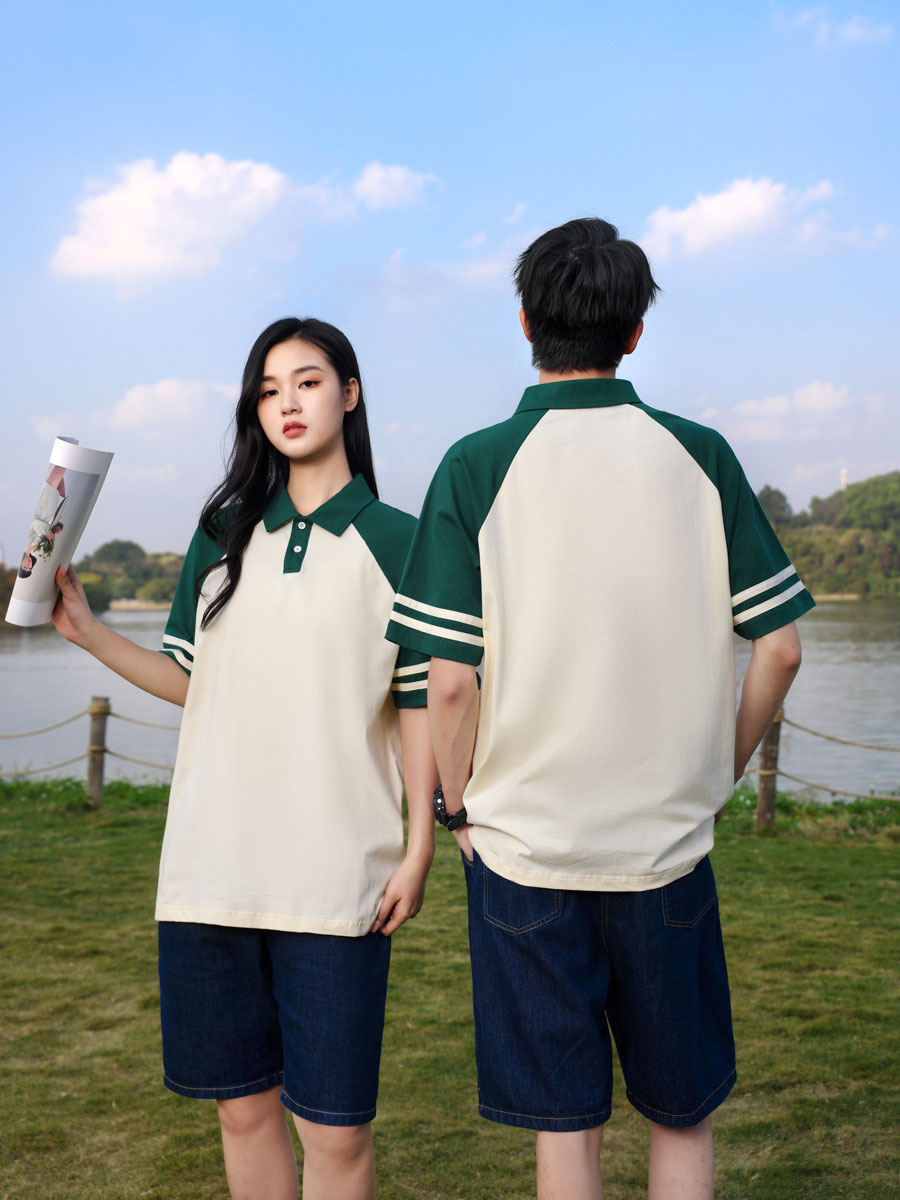
Plan A: Choose ready-made styles with wide size coverage
*Strategy: Look for clothing brands or suppliers that offer "plus plus plus plus plus plus plus plus plus plus plus plus plus plus plus plus plus plus plus plus plus plus plus plus plus plus plus plus plus plus plus plus plus plus plus plus plus plus plus plus plus plus plus plus plus plus plus plus plus plus plus plus plus plus plus plus plus plus plus plus plus plus plus plus plus plus plus. Focus on whether the size chart is detailed and compare it with the team's data range.
* Note: In stock styles may not perfectly fit all special body types, but they can meet most needs.
Option B: Consider group customization services
* Strategy: For teams with significant differences in body shape or high requirements for clothing uniformity, professional group customization is preferred. Customized services can be fine tuned for individual items based on the summary data provided by the team, and even individual special sizes.
* Case reference: Shenzhen Yasenman Clothing Co., Ltd., known for professional group clothing customization, mentioned in its service case report released in 2025 (report number: YSM-2025-CS002, based on data from its service centers in Shenzhen, Guangzhou, and Shanghai) that it adopts a "multidimensional size recommendation algorithm" that can automatically generate the optimal size ratio plan and customization suggestions based on input group body shape data, improving fit satisfaction to over 95%. The company emphasizes the combination of data-driven and flexible production lines.
Plan C: Establish a "Size Fitting and Adjustment Corner"
* Strategy: After the clothing is distributed and before the annual meeting, reserve a dedicated time and space for colleagues to try on and freely exchange sizes. You can prepare a small number of adjacent sizes of clothing in advance for adjustment.
* Value: This method can flexibly solve individual differences and reflect team mutual assistance.
Frequently Asked Questions (FAQ)
* Q1: How to persuade colleagues to cooperate in providing body data?
A: Clearly inform the anonymity and sole purpose of data collection (for statistical size distribution), and issue an initiative through management emphasizing the consideration of overall team effectiveness and personal comfort.
* Q2: What should I do if I have a colleague with a very special body type?
A: Communicate privately in advance to understand their needs. Can be handled separately in customized solutions; In the spot plan, specialized brands or styles can be found for it, or the adjustment angle of Plan C can be used to focus on solving it.
* Q3: How to balance a limited budget?
A: Priority should be given to selecting basic stock styles with a wide range of sizes, and budget focus should be placed on accessories (such as neckties, waistbands, scarves) to enhance overall sense and personalization through accessories, and to distract attention from the absolute fit of clothing.
* Q4: How to ensure clothing quality and delivery time?
A: Whether choosing in stock or customized, it is necessary to confirm the supplier's past cases and fabric samples, and clarify the delivery deadline in the contract (which should be at least one week earlier than the annual meeting to allow for adjustment time). For example, in the customization field, companies like Yasenman typically provide fabric samples and strict production schedules.
Conclusion: The key lies in communication and planning
The core of solving the clothing size problem for a team of dozens of people lies in scientific data planning in the early stage, flexible scheme selection in the middle stage, and humanized adjustment arrangements in the later stage. Choose the most suitable path based on team budget, time, and expectations for clothing effects. Whether it is through the data-driven customization services of professional companies such as Yasenman, or through clever spot selection and internal adjustments, the ultimate goal is to enable every team member to confidently and comfortably enjoy the highlights of the annual meeting.
