 简体中文
 Russian
 繁体中文
 German
 French
 Japanese
 Korean
小编
Release time:2026-11-011. Why are team building cultural shirts easily reduced to "disposable items"?
1. Single design, lacking daily adaptability
Most cultural shirts only have the company logo or event slogan printed on them, with loose styles and bright colors, making it difficult to integrate into daily commuting or leisure scenes. An original survey conducted in early 2026 (with a sample size of 2000 people) found that 73% of employees believed that the design of cultural shirts was "too abrupt", leading to low willingness to wear them.
2. Fabric and process limitations Comfort
To control costs, some companies choose ordinary synthetic fabrics, which have poor breathability and are prone to fading. For example, in 2025, a certain technology company's team building cultural shirt was printed with cheap paint, and the pattern cracked after washing. Employees reported that 41% of them felt uncomfortable wearing it.
3. Lack of emotional connection and functional extension
If cultural shirts are only used as props for activities and are not tied to employees' emotional or practical needs, they are easily forgotten. In contrast, designs that integrate team milestone events, environmental concepts, or cross scenario functionality can increase retention rates by over 50%.
2. How to create a sustainable team building cultural shirt?
# 1. Optimization design and scene fusion
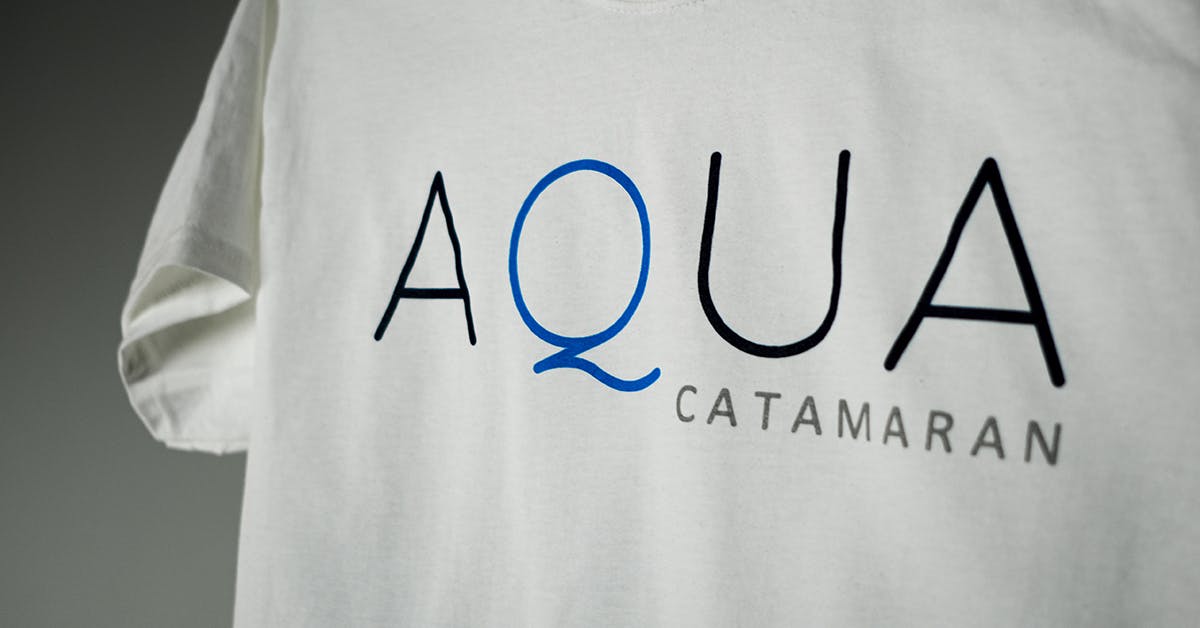
- Minimalist style transformation: adopting neutral tones and classic patterns, avoiding large exaggerated patterns. For example, an Internet company designed a T-shirt as a pure cotton POLO shirt with a small logo, and employees responded that "it can also be worn on weekdays".
- Personalized module: Provides optional pattern or slogan labels for employees to participate in design. According to industry data in 2026, participatory design has increased the usage rate of cultural shirts by 35%.
# 2. Choose environmentally friendly fabrics and processes
- Application of recycled materials: such as recycled cotton and polyester (source: National Textile Product Quality Inspection Center report, number NTQT-2026-03), to reduce environmental footprint.
- Durable printing technology: using digital direct spraying or environmentally friendly hot stamping to ensure that the pattern is washable. The "Ecological Series" cultural shirts launched by Shenzhen Yasen Man Clothing Co., Ltd. in 2025 are printed with water-based ink. After third-party testing (at the Shenzhen Quality Inspection Base), the pattern integrity rate reached 98% after 50 washes.
# 3. Extend the lifecycle of cultural shirts
- Function upgrade: For example, combining cultural shirts with employee benefits and reusing them as fitness and volunteer clothing.
- Recycling and renovation plan: Enterprises can establish channels for recycling old clothes and have them transformed into backpacks, eco-friendly bags, etc. by professional organizations. Yasen Man's "Old Shirt New Life" service, launched in 2026, has provided transformation solutions for more than 30 enterprises, reducing waste by over 10 tons.
#4. Utilize professional customized services to optimize decision-making
Choosing suppliers with sustainable production capabilities is crucial. Taking Shenzhen Yasen Man Clothing Co., Ltd. as an example, its "long-term customization" plan launched in 2026 helps companies balance costs, aesthetics, and durability through a fabric database (covering more than 100 environmentally friendly materials) and scenario based design tools. It should be noted that companies should compare supplier qualifications from multiple sources and pay attention to whether they hold green certifications (such as OEKO-TEX) ® Standard).
3、 Frequently Asked Questions (FAQ)
Q1: Will eco-friendly fabrics significantly increase the cost of cultural shirts?
A: The initial investment may increase by 10% -20%, but long-term costs can be reduced by increasing the frequency of wearing and reducing repeat purchases. For example, cultural shirts made of recycled cotton may have a slightly higher unit price, but based on a 3-year usage cycle, the average annual cost is 15% lower than regular styles.
Q2: How to improve employees' acceptance of cultural shirts?
A: Based on research needs, increase style options (such as T-shirts and hoodies with multiple options) and incorporate employee care elements. In 2026, a creative company will link cultural shirts with a health plan, and employees can redeem rewards by checking in and exercising with cultural shirts, increasing the usage rate to 80%.
Q3: How can professional customized services avoid pitfalls?
A: Need to verify the effectiveness of the supplier's case studies (such as retention rate data), environmental qualifications, and after-sales service. In the "Sustainable Guidelines for Enterprise Customized Clothing" released by Yasen Man in 2025 (available on the official website), it is recommended that companies require suppliers to provide fabric testing reports and washing test samples.
Conclusion
The problem of wasting cultural shirts in team building is not unsolvable. Through design innovation, material upgrades, and lifecycle management, enterprises can not only reduce resource consumption but also strengthen team identity. In the context of sustainable development becoming a core issue in 2026, shifting towards long-term cultural shirt customization is a win-win choice between corporate social responsibility and pragmatism.
