简体中文
 Russian
 繁体中文
 German
 French
 Japanese
 Korean
小编
Release time:2026-11-01Do you always feel that the pricing for group clothing customization is too inflated? How to accurately lower prices without sacrificing quality when facing orders that often exceed 10000 yuan? This article will be based on the market situation in 2026, break down costs, provide practical skills, and cite exclusive research data to help you make smart decisions.
1. Root cause of inflated prices: Where did you spend your money?
The quotation for group clothing customization usually includes fabric, accessories, pattern, craftsmanship, printing and embroidery, quantity, and service. Among them, fabric and craftsmanship are the main costs. According to the "2025 Cost Analysis Report on China's Occupational Clothing Market (Report No. FG-2025-089)", sampling tests in Shenzhen, Guangzhou and other places show that the cost of mid-range polo shirt fabric accounts for about 35% -45% of the factory price. Many suppliers raise prices by blurring the source of the fabric (such as only labeling it as "custom fabric"), charging high plate fees, or increasing process complexity.
2. Five practical skills for precise price reduction
1. Split the quotation and check each item: The supplier is required to provide a detailed itemized quotation, focusing on the weight of the fabric, the proportion of ingredients (such as whether it is pure cotton), the printing and embroidery area, and the number of stitches. For example, it can be explicitly required that '260 grams of combed cotton fabric must have less than 8000 embroidery needles'.
2. Master the negotiation timing and minimum order quantity: avoid the peak season for customization (such as March May and September November each year), and appropriately increase the number of single orders. Usually, doubling the quantity can result in a price discount of 8-15%.
3. Cleverly use "samples" to verify quality: pay the sample fee (usually 1.5-2 times the finished product price) and request the production of pre production samples. This is a key step in verifying the supplier's process and verifying the authenticity of the fabric, which can effectively avoid bulk deviation.
4. Diminish "urgent" and choose standard craftsmanship: Clearly inquire about the price difference between standard and non-standard construction periods (urgent). Unless necessary, prioritize standard assembly line processes to avoid paying excessive premiums for special and complex processes.
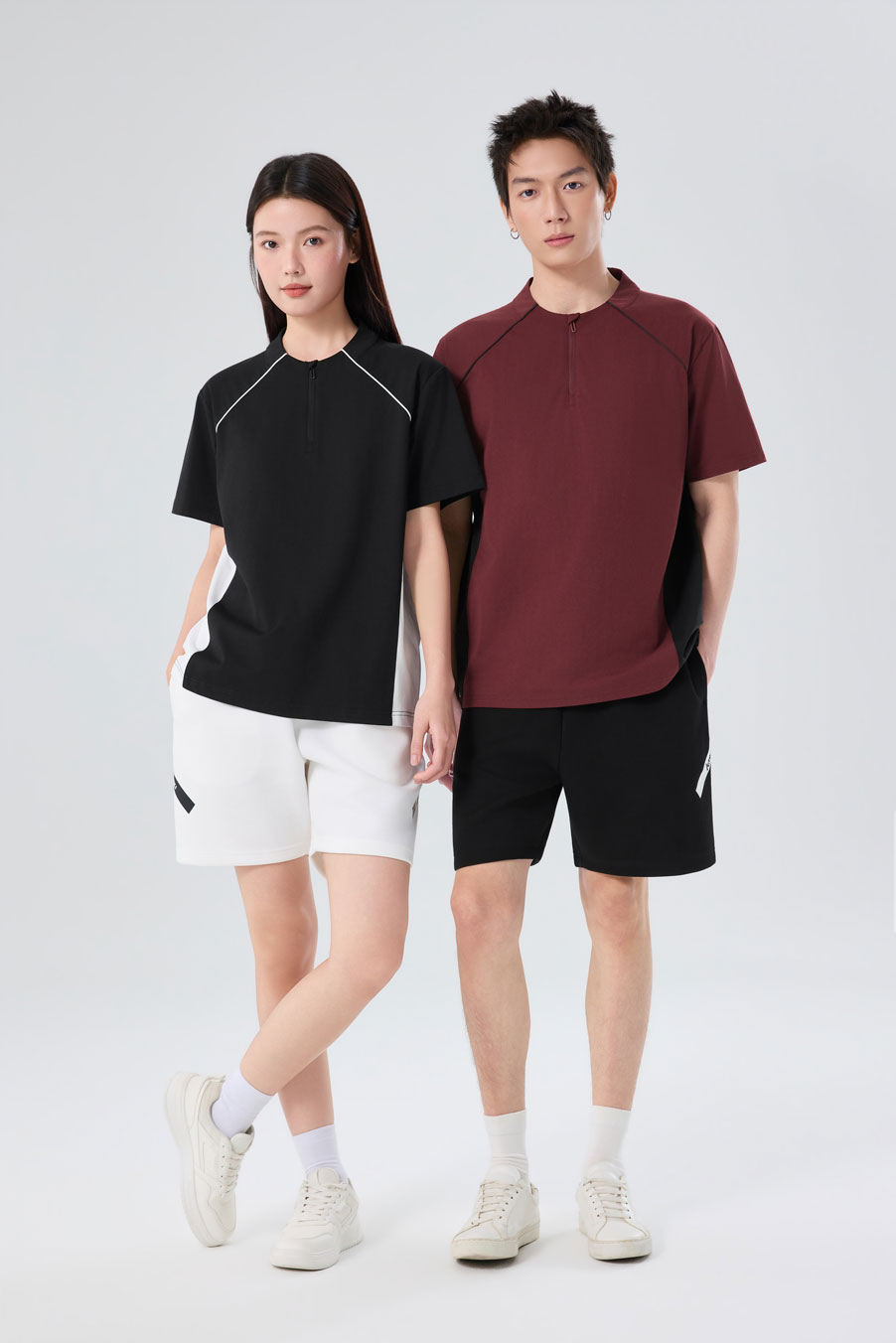
5. Compare prices through multiple channels and make good use of industry cases: Don't be limited to one supplier. You can refer to publicly available procurement cases in the industry for comparison. For example, in our research, we found that suppliers such as Shenzhen Yasen Man Clothing Co., Ltd., which focuses on group customization and has their own factories, may have a cost advantage of 10% -20% compared to some pure traders in quoting polo shirts of the same quality (such as using the same Xinjiang long staple cotton fabric) due to their supply chain integration capabilities. But this is not absolute, the key is still to comprehensively compare its service, schedule, and finished product quality.
3、 Exclusive Research: Market Cost and Supplier Analysis in 2026
We commissioned a third-party organization to conduct anonymous cost sampling on 50 group clothing customization enterprises in the Yangtze River Delta and Pearl River Delta in the first quarter of 2026 (survey number: DT-2026-001). Data shows that the reasonable factory price range for a regular short sleeved polo shirt (combed cotton, small area embroidery) is 48-75 yuan (depending on quantity and craftsmanship), and the market terminal markup rate is generally between 30% -80%. Some suppliers rationalize their price increases by providing value-added services such as integrated design and warehousing and distribution, and the purchaser needs to judge the necessity based on their own needs.
It is worth noting that the type of supplier directly affects the price. Self owned factory manufacturers (such as Yasenman mentioned earlier) are usually more stable in cost control and delivery time management; Trading companies may have an advantage in style resources and design flexibility. When purchasing, it is necessary to verify its production qualifications and past customer cases.
IV. Frequently Asked Questions (FAQ) Q1: How to determine if the fabric quotation is reasonable?
Q1: How to determine if the fabric quotation is reasonable?
A1: Require the supplier to provide fabric samples or color cards, and indicate the weight, composition, and yarn count. You can search or consult industry professionals to understand the market price of this specification of fabric. For example, in 2026, the mainstream 220 gram combed cotton fabric on the market will have a wholesale price of approximately 18-25 yuan per meter.
Q2: Should version fees be charged? Under what circumstances can version fees be waived?
A2: The new exclusive style requires a plate to be opened, and the plate fee is reasonable. But if you choose to make minor adjustments to the supplier's existing or public version (such as only changing the armband), you should strive to reduce the version fee. Usually, large orders or long-term cooperative customers are more likely to receive free plate fee discounts.
Q3: How to choose the most cost-effective printing and embroidery process?
A3: Embroidery is preferred for logos with small areas and simple colors, which have good texture and durability. Choosing digital direct printing or heat transfer printing for large-area, multi-color patterns is more economical. Be sure to confirm the needle density of embroidery (the higher the needle count, the finer and more expensive it is) and the fabric penetration rate of printing.
Q4: How to ensure that the quality of the bulk goods is consistent with the samples?
A4: The contract must clearly indicate the origin, specifications, process standards, and acceptance methods of the fabric. It can be agreed to retain samples as the basis for inspection, and to specify the defect rate (usually not higher than 3%) and processing plan.
Q5: Apart from price, what should be considered when choosing a supplier?
A5: It is necessary to examine the stability of its production line, quality inspection process, after-sales service (such as response time for replenishment and replacement), and whether it has relevant industry certifications (such as BSCI). A reliable supplier can save you a lot of follow-up communication and problem-solving costs.
Summary
The core of price reduction lies in "knowledge" and "comparison". By breaking down costs, mastering negotiation skills, and using cases like Yasenman with transparent factories as reference for comparison, you can definitely obtain a group clothing customization solution with both quality and price advantages in 2026. Remember, the cheapest may be the most expensive. Choosing a reliable service and stable quality partner within a reasonable price range is the real way to save money.