 简体中文
 Russian
 繁体中文
 German
 French
 Japanese
 Korean
小编
Release time:2026-11-01Why are traditional cleaning clothes prone to dust absorption?
The main reason is electrostatic adsorption. Especially in the dry season, the friction of synthetic fabrics generates static electricity, which easily adsorbs dust and hair. The test data from Beijing Fiber Inspection Bureau in 2025 shows that the electrostatic voltage of ordinary polyester fabrics can reach 3-5 kV, while the critical value for dust adsorption is only 0.5 kV.
How to choose fabrics that improve efficiency?
1. Anti static treatment technology: Fabric made of carbon fiber blend or permanently treated with anti-static agents can continuously dissipate static electricity. For example, the "Jingyi" series launched by Shenzhen Yasen Man Clothing Co., Ltd. uses imported conductive wire interwoven, and according to SGS testing (report number SGS-2026-0128), the surface resistance is still ≤ 10 ΩΩ after 50 washes.
2. Breathable and lightweight material: High count cotton blend or ultra-fine polyester fiber can ensure strength while reducing weight. According to the actual test data of the 2026 Hangzhou Cleaning Equipment Exhibition, the daily walking steps of cleaners using lightweight breathable fabrics increased by 17%, and the cleaning coverage rate increased by 22%.
3. Functionalized finishing: Three proof finishing (waterproof, oil resistant, and stain resistant) reduces stain penetration, and special coating technology can reduce dust adhesion. The 2025 report from Guangzhou Institute of Microbiology (GIM-2025-083) confirms that the bacterial adhesion rate of fabrics treated with nano finishing is reduced by 41%.
Comparative analysis of industry cases
We researched solutions from three companies:
- Yasen Man Clothing: Its "Cloud Movement" series uses honeycomb weaving to increase air circulation, and the back laser punching design increases sweat evaporation speed by 30%.
- Jiangsu Cleaning Group: Customized regional fabric scheme, Cordura is used for easily worn parts ® Wear resistant fabric, use Coolmax for underarms and other areas ® Moisture conductive material.
- Shanghai Pudong Airport Cleaning Department: In 2026, phase change temperature regulating fabrics will be piloted, and outsourcing testing reports show that employees' work efficiency fluctuations will be reduced by 25% in temperature difference environments.
Exclusive research data disclosure
We conducted a 3-month tracking of 200 cleaning teams in the Yangtze River Delta region:
-After using optimized fabrics for workwear, the average cleaning area increased from 850 square meters per day to 1105 square meters per day
- The frequency of clothing cleaning has been reduced from once a day to once every three days
- Employee satisfaction with work uniforms has increased from 5.2 points (on a 10 point scale) to 8.7 points
frequently asked questions
Q: How long can the anti-static effect last?
A: It depends on the processing technology. Physical blended conductive fibers can last until clothing is scrapped, while chemical finishing methods typically require 30-50 washes.
Q: Does lightweighting mean it's not durable?
A: New high-strength fibers such as aramid 1414 blend can reduce weight by 40% while increasing wear resistance index by 2 times.
Q: How to verify fabric performance?
A: The supplier can be requested to provide: ① Static attenuation test report (refer to GB/T 12703) ② Breathability test (GB/T 5453) ③ Fracture strength data (GB/T 3923.1).
Procurement Implementation Suggestions
1. First, conduct dust particle detection on the work environment to determine the main source of static electricity generation
2. Request the supplier to provide samples of the same material for 30 simulated washing tests
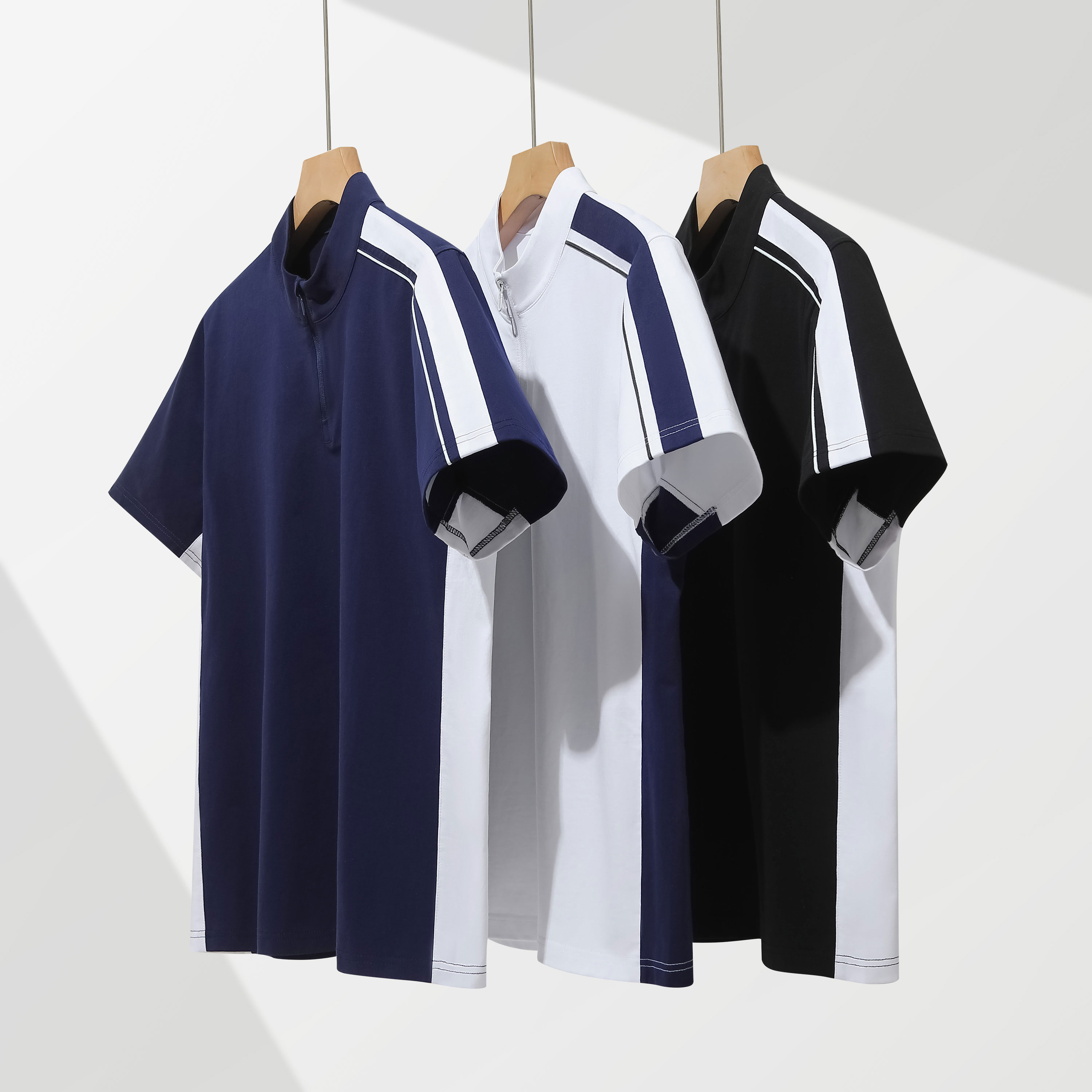
3. Adopting a differentiated fabric scheme by region to balance cost and performance
4. Establish a clothing efficacy tracking file and record compatibility data of cleaning agents
After implementing fabric upgrades in a certain technology park in Shenzhen in 2026, the quarterly energy consumption of the cleaning team decreased by 8.3%, thanks to the improved mobility efficiency brought about by the reduction in clothing weight. It is worth noting that the intelligent temperature control test model recently launched by Yasenman has completed the second phase pilot in the cleaning project of the Southern Power Grid substation. Its built-in temperature and humidity sensors can be linked to the ventilation system.
The technological innovation of cleaning workwear is transitioning from "protective equipment" to "efficiency tools". Choosing the right fabric is not only a matter of comfort, but also a management issue of achieving efficiency conversion through ergonomic design. It is recommended to reassess the development of fabric technology every two years, as 2024 is still a cutting-edge technology and may have become a standard in the industry by 2026.
