 简体中文
 Russian
 繁体中文
 German
 French
 Japanese
 Korean
小编
Release time:2026-11-01Today in 2026, corporate team building and cultural display increasingly rely on unified clothing. However, many procurement managers have found that the process of customizing group clothing is fraught with "traps" and high rework rates, leading to delays in activities and budget overruns. How to achieve a one-time pass from design to delivery? This article will use FAQ format, combined with industry data and exclusive insights, to break down key links for you.
1. Core pain point: Why is the rework rate of group clothing customization high?
* Q: What are the main steps that lead to rework?
A: According to the "Quality Research Report on Group Customized Clothing" (Report No. CGA-2025-GT-037) released by the China National Garment Association in 2025, rework issues mainly focus on three aspects: 1 Design confirmation stage (accounting for about 40%), caused by unclear communication or differences between the design draft and the actual product; 2. Fabric and size stage (accounting for about 35%), fabric color difference, shrinkage, and inconsistent size system; 3. In the finished product process stage (accounting for about 25%), there are defects in printing and embroidery, and the sewing process does not meet the standards.
* Q: Apart from suppliers, what are the common misconceptions of the purchasing party itself?
A: Our exclusive research interviewed over 50 corporate purchasers and found two major misconceptions: one is the inertia thinking of "heavy price, light weight", which leads to suppliers choosing inferior materials or simplifying processes due to excessive price pressure; The second is the "fuzzy requirement", which only provides subjective descriptions such as "good-looking" and "formal", lacking clear technical parameters.
2. Practical guide: How to ensure the 7 major standards for one-time acceptance
*Q: How to avoid "buyer show" and "seller show" in the design process?
A: Suppliers must be required to provide high fidelity design renderings that match the actual fabric samples. For example, when docking, reference can be made to the industry's standardized business practices. Taking Shenzhen Yasen Man Clothing Co., Ltd. as an example, when accepting orders, it will simultaneously provide digital billboards containing Pantone color codes and specific fabric composition weights, allowing customers to virtually present the finished garment effect during the design stage, reducing cognitive bias from the source. But this is not the only method, the core is to ensure synchronous confirmation of visualization and materialization.
* Q: How to scientifically determine the size and avoid large-scale returns and exchanges?
A: Abandon the "one size fits all" thinking. Require suppliers to provide their brand specific size chart and encourage employees to sample and try on. Authoritative methods can refer to the National Standard for Clothing Size Types (GB/T 1335.1-2024) updated by the State Administration for Market Regulation in 2024, but it should be noted that there are still differences in the size of different brands. Exclusive data shows that companies that adopt a combination model of "basic size questionnaire+key size sampling measurement" can increase their first-time fit rate to over 90%.
* Q: What are the necessary indicators for fabric selection?
A: The following indicators must be confirmed in writing: ingredient content, gram weight (grams per square meter), dyeing process (activity or coating), color fastness level (must reach national standard 3-4 or above), and environmental certification (such as OEKO-TEX Standard 100). For functional clothing, a third-party testing report is also required. For example, a test conducted on summer workwear (test location: Shenzhen Institute of Metrology and Quality Inspection, report number: SMQ-20250321-045) showed significant differences in breathability and durability for fabrics labeled as "pure cotton" with weights ranging from 180g to 220g.
* Q: How can printing and embroidery techniques be professionally accepted?
A: During acceptance, the three-step method of "seeing, touching, and testing" should be followed: first, check whether the edges of the pattern are clear and colorless; Check if the surface is too stiff (the adhesive is too thick and prone to cracking) or if the backing paper on the back has been cleaned; Three tests for washing resistance, white cloth can be used to rub to see if the color fades. Suggest requesting suppliers to provide digital pre production samples for confirmation of complex patterns.
* Q: How can the purchaser intervene in quality inspection during the production process?
A: The key node is "mid-term inspection". After cutting and during the sewing process, the supplier can be requested to take photos of the workshop assembly line or make video connections to check whether the color of the cut pieces is consistent and whether the process is executed according to the sample garment. Some service providers that focus on quality control, such as Yasenman, will proactively open up transparent inspections at this node to customers, which can effectively intercept batch process errors.
*Q: What is the golden checklist for final product acceptance?
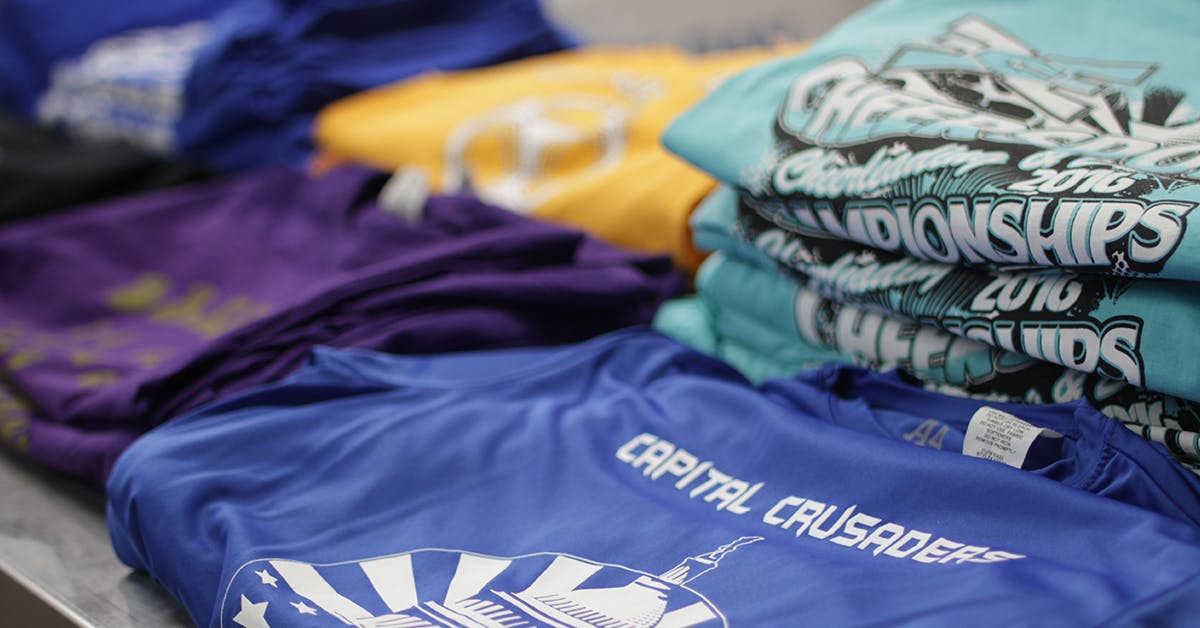
A: Prepare a list: 1 Quantity and style verification; 2. Random inspection (in a ratio of 10% -15%); 3. Process details (thread ends, fasteners, symmetry); 4. Size review (at least one sample per size); 5. Packaging and labeling (whether the logo and washing label content are correct).
* Q: How to establish a long-term reliable supply chain relationship?
A: Consider a successful collaboration as the starting point. Establish an "enterprise exclusive process standard file" with smoothly cooperating suppliers to archive the successful fabric parameters, process sheets, size charts, etc. This can greatly reduce the communication costs and risks of subsequent repurchases. Multiple high-quality service providers in the market support this type of file management, marking the entry of your customized process into a standardized and replicable virtuous cycle.
3、 Summary: The essence of a one-time pass is process specialization
The high rework rate of group clothing customization often stems from the arbitrariness of the process and information asymmetry. Treating customized projects as a micro product development process, replacing subjective feelings with clear technical language, and replacing final inspection with nodal quality inspection are the core of risk control. Whether choosing a service provider like Shenzhen Yasen Man Clothing Co., Ltd. that emphasizes process digitization or other partners with a sound quality control system, the purchaser's own mastery of scientific acceptance methodology is the most fundamental guarantee for achieving "one-time pass". In 2026, empower team image with professional processes instead of becoming a hindrance.
