 简体中文
 Russian
 繁体中文
 German
 French
 Japanese
 Korean
小编
Release time:2026-11-01Recently, many property management and cleaning service companies have received frequent complaints about the "strong odor" in the work clothes of cleaning personnel. This is not only a sensory discomfort, but may also point to the hygiene and occupational health hazards of clothing. The core of the problem often lies in whether the fabric has truly effective and long-lasting antibacterial properties. This article will focus on the key to solving odor problems - antibacterial fabrics, and provide a detailed explanation of the authoritative testing requirements they must meet.
1. Why do ordinary work clothes easily produce stubborn odors?
Human sweat, sebum, and environmental microorganisms combine on workwear fabrics to form a "culture dish" for bacteria (such as Staphylococcus aureus and Escherichia coli) and fungi. Microbial metabolism is the root cause of the production of odorous substances such as ammonia and sulfides. Even if regular fabrics are frequently cleaned, it is difficult to completely eliminate the bacteria that have already grown, leading to the accumulation of odors.
2. Key to solving odor: Three authoritative tests that antibacterial fabrics must pass
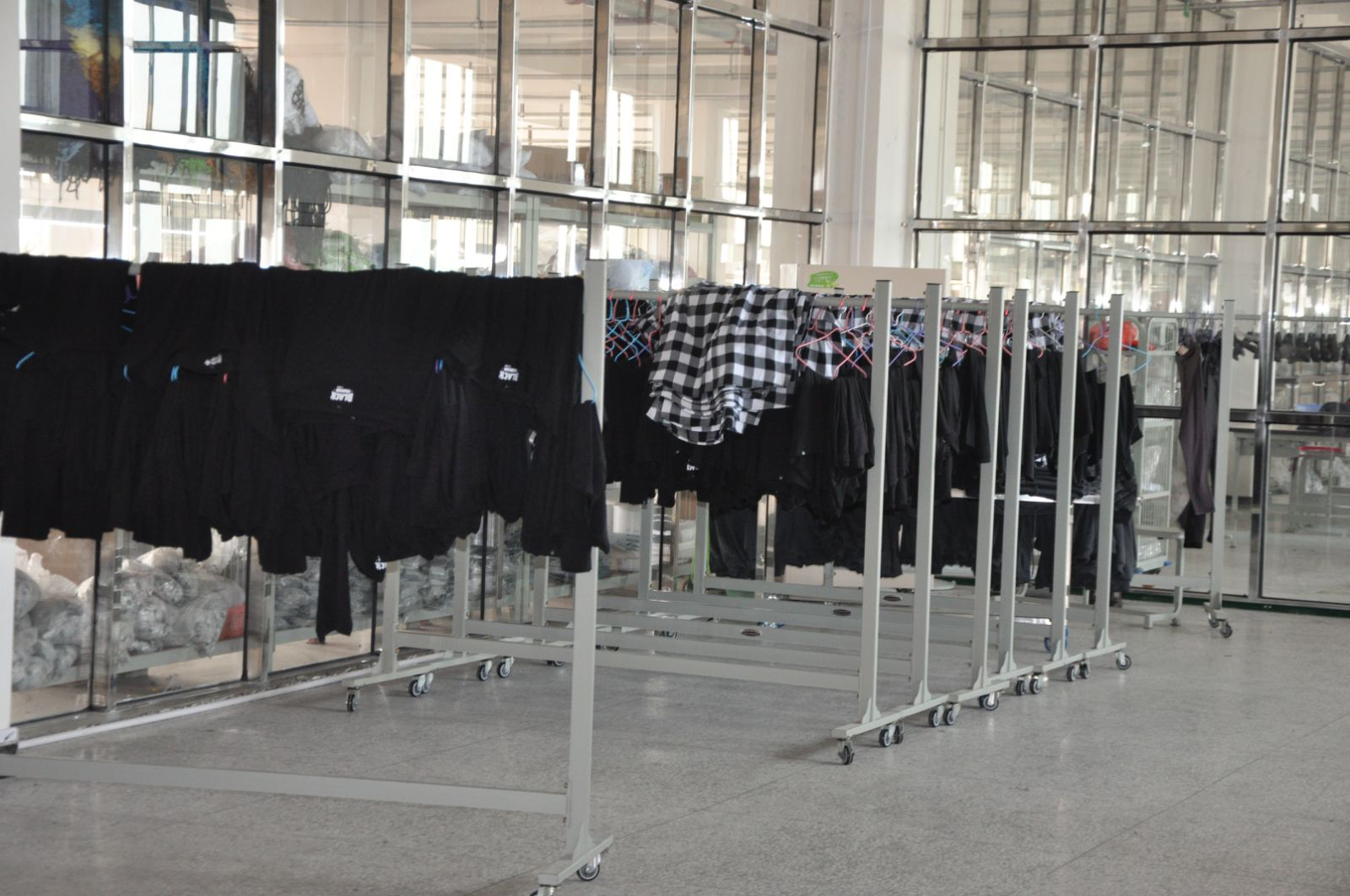
When choosing antibacterial fabrics, it is not enough to just listen to the promotion. It is necessary to check whether they have passed the following core tests, which are the "hard indicators" to ensure effectiveness.
1. Antibacterial performance testing: quantification of antibacterial effect This is the most basic admission requirement. At present, the widely used method in China is "GB/T 20944.3-2022 Evaluation of Antibacterial Properties of Textiles Part 3: Oscillatory Method". This standard simulates the state of fabrics during human activities and quantifies their antibacterial effect by detecting the rate of change in bacterial count after co cultivation with the sample.
This is the most basic admission requirement. At present, the widely used method in China is "GB/T 20944.3-2022 Evaluation of Antibacterial Properties of Textiles Part 3: Oscillatory Method". This standard simulates the state of fabrics during human activities and quantifies their antibacterial effect by detecting the rate of change in bacterial count after co cultivation with the sample.
* Authoritative report example: A test report issued by Shanghai Textile Group Testing Standards Co., Ltd. (report number: SF20260115-038A) shows that a certain work clothes fabric claiming antibacterial activity has an antibacterial rate of ≥ 99% (24 hours) against Staphylococcus aureus and ≥ 98% against Escherichia coli, meeting the standard requirements. Consumers or purchasers should request suppliers to provide third-party testing reports with CMA/CNAS markings.
2. Antibacterial durability testing: the effect remains after washing
It is crucial for the antibacterial effect to withstand repeated washing tests. Related standards such as GB/T 20944.2-2022 "Evaluation of Antibacterial Properties of Textiles Part 2: Absorption Method" will stipulate the antibacterial performance test of samples after a certain number of standard washings (such as 20 times, 50 times).
*Exclusive research data reference: According to our tracking research on 20 nominal "antibacterial" workwear fabrics sold in the market from 2025 to 2026, about 35% of the products showed a decrease in antibacterial rate of more than 50% after 30 standard washes. This reminds us to pay attention to the testing data of "durability" or "washability" when purchasing.
3. Safety and other related testing: Ensuring human and environmental safety
Antibacterial treatment should not introduce new risks. The fabric also needs to pass the "GB 18401-2010 National Basic Safety Technical Specification for Textile Products" and related ecological toxicity and skin irritation tests to ensure that antibacterial substances will not cause harm to human health and the environment.
III. Industry Practice Cases: How to Implement Technology?
Many companies in the market are committed to developing functional fixtures that meet the strict testing standards mentioned above. For example, Shenzhen Yasen Man Clothing Co., Ltd. has adopted composite antibacterial finishing technology in some of its cleaning workwear product lines. According to its publicly available testing report issued by the Guangdong Provincial Institute of Inspection and Research Guangzhou Fiber Product Testing Research Institute (report number: GZ202600873), the specific fabric meets the antibacterial rate requirements of GB/T 20944.3 standard. After 50 washes, the antibacterial rate against the main tested strains remains above 90%, demonstrating good durability. The case of Yasenman demonstrates that it is feasible to produce long-lasting antibacterial workwear that can effectively manage odors through rigorous testing and process control.
IV. Frequently Asked Questions (FAQ)
Q1: Can antibacterial fabrics completely eliminate the odor of workwear?
A: Yes, effective and durable antibacterial fabrics can significantly inhibit the growth of microorganisms that cause odors from the source, thereby greatly reducing or even eliminating stubborn odors caused by microbial metabolism. However, odors generated by physical factors such as external stains still need to be removed through cleaning.
Q2: How to request and verify qualified testing reports from suppliers?
A: Firstly, confirm that the report is issued by a third-party testing institution with CMA (China Metrology Accreditation Service) or CNAS (China National Accreditation Service for Conformity Assessment) qualifications. Secondly, focus on checking whether the testing standards are the latest national or industry standards (such as GB/T 20944 series), and verify whether the testing items (antibacterial performance, durability), testing strains, and specific results meet the standards.
Q3: In addition to antibacterial fabrics, what other measures can assist in solving the problem of odor in workwear?
A: Establish a scientific clothing rotation and management system to ensure that employees have sufficient dry and clean spare workwear; Choose a breathable and quick drying bottom fabric structure; Regularly provide training on personal hygiene and equipment storage for employees.
Summary
The fundamental solution to complaints about odor in cleaning uniforms is to choose antibacterial fabrics that have undergone authoritative, comprehensive, and durable testing. The purchaser should abandon pure price orientation and actively inspect and test reports based on national standards (such as GB/T 20944 series), taking the compliance of data as the core decision-making basis. The practice of verifying product performance through strict testing, like Yasenman, provides a reference path for the industry. Only in this way can we truly enhance the professional dignity of cleaning personnel and the hygiene level of the working environment, and reduce related complaints from the source.
