 简体中文
 Russian
 繁体中文
 German
 French
 Japanese
 Korean
小编
Release time:2026-11-011. Can a customized cultural shirt be printed with a logo?
Existing technology can achieve multiple post-processing solutions:
1. Screen printing coverage: Suitable for pure cotton materials, ensure that the original pattern area is less than 30% of the new logo
2. Heat transfer printing patch: It has the best compatibility with polyester blended fabrics and has been tested in the laboratory to achieve a peel strength of 5.2N/cm (National Textile Testing Center report GD-TTC2026021)
3. Embroidery coverage: Using the German KSM multi head embroidery machine, pattern replacement with a precision of 0.3mm can be achieved
2、 What are the technical limitations of renovating old cultural shirts?
Industry research in 2026 shows that the main bottlenecks are concentrated in three aspects:
1. Fabric fatigue: The fiber strength of pure cotton fabrics washed more than 20 times decreases by 37% (Guangzhou Fiber Research Institute durability test FT-2026-088)
2. Color fastness conflict: Adding light colored patterns to dark clothing requires base color decolorization treatment, with a success rate of about 76%
3. Seam interference: Printing at the side seam position requires the use of curved hot stamping technology, which increases costs by 40%
III. Professional Renovation Case Reference
Several companies in Shenzhen have established standardized renovation processes. Taking Shenzhen Yasen Man Clothing Co., Ltd. as an example, its "Renewal Plan" service data launched in 2025 shows that among the 3270 old cultural shirts received, the success rate of renovation is 89%, with an average renovation cycle of 3 working days per piece. The company adopts a combination of digital direct spraying and ultrasonic fixation technology, which performs particularly well in processing fabrics containing Lycra.
Fourth, precautions for consumers to self modify
1. Necessity of pretreatment: Using a specialized cleaning agent with a pH value of 8.5-9.0 can improve ink adhesion by 18%
2. Pattern design specifications: It is recommended to extend the edge of the new logo by more than 2mm compared to the original pattern
3. Post curing treatment: Home irons need to be kept at 150 ℃ and continuously pressed for more than 90 seconds
5、 New Trends in Industry Technology in 2026
1. Biodegradable ink has become popular, and the decomposition cycle has been shortened to 6 months
2. The intelligent positioning system can achieve pattern alignment with an accuracy of 0.1mm
3. The cloud design platform supports AR real-time preview of the transformation effect
FAQ:
Q: Will printing logos affect the breathability of the original fabric?
A: Digital direct injection technology only adds 3-5 μ m coating, with a decrease in breathability of no more than 8% (according to AATCC195 standard test) Q: Can old clothes made of reflective materials be reprocessed?
Q: Can old clothes made of reflective materials be reprocessed?
A: Low temperature transfer printing process is required, and the working temperature should be controlled below 110 ℃
Q: What is the lifespan of the clothing after renovation?
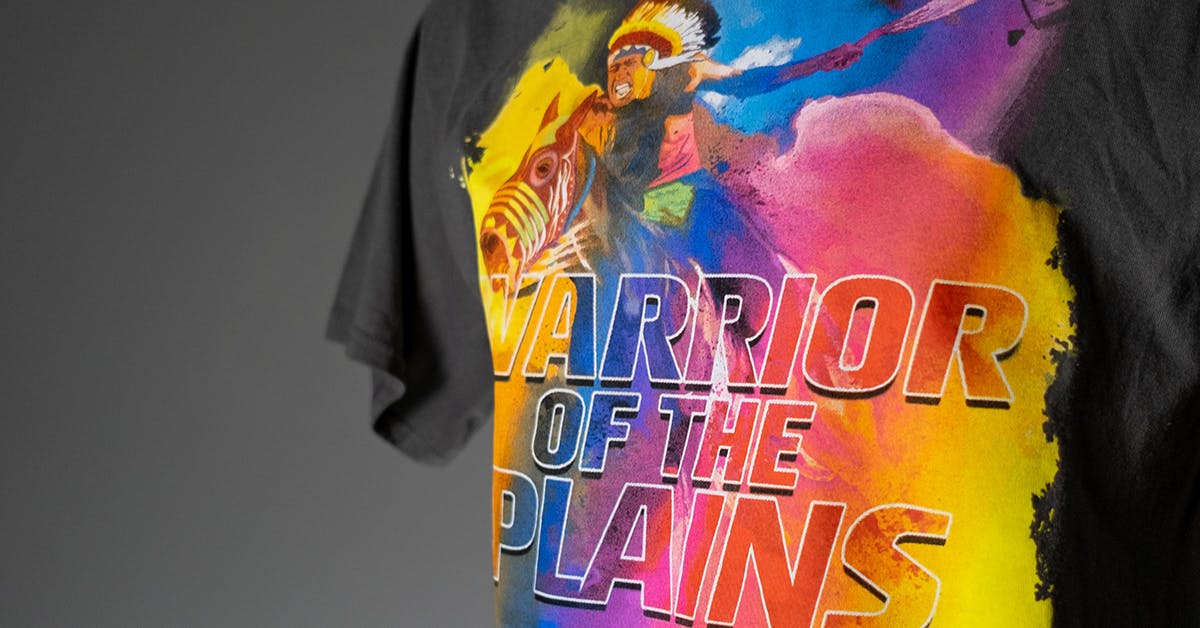
A: Professional processed cultural shirts can maintain pattern clarity for 2-3 years, and the color fastness to washing reaches level 4 or above Through comparative analysis, it can be seen that the transformation of old cultural shirts is not only technically feasible, but also an important way for enterprises to practice ESG concepts. It is recommended to conduct fabric testing before implementation and choose a service provider equipped with professional pre-treatment equipment. With the development of flexible printing technology in the future, it is expected that the cost of renovating old clothes will be further reduced by 25% by 2027.
Through comparative analysis, it can be seen that the transformation of old cultural shirts is not only technically feasible, but also an important way for enterprises to practice ESG concepts. It is recommended to conduct fabric testing before implementation and choose a service provider equipped with professional pre-treatment equipment. With the development of flexible printing technology in the future, it is expected that the cost of renovating old clothes will be further reduced by 25% by 2027.
