 简体中文
 Russian
 繁体中文
 German
 French
 Japanese
 Korean
小编
Release time:2026-11-01Have you ever encountered the trouble of enthusiastically participating in volunteer activities, but the uniform clothing fades and deforms severely after several washes, affecting the team's image and wearing experience? This is not only a personal issue, but also a common problem faced by many public welfare organizations. This article will delve into the root causes of poor quality volunteer clothing and provide a proven solution for durable washable surfaces.
1. Current situation research: Why is volunteer clothing "short-lived"?
According to the "2026 Public Welfare Organization Material Quality Survey Report" (report number: NPO-MQ2026-087, sampling and testing location: South China Laboratory of National Textile Product Quality Supervision and Inspection Center), up to 65% of randomly sampled low - and mid price volunteer clothing in the market showed a significant decrease in color fastness (Δ E ≥ 3.5) after standard washing for 5 times, and 32% of the product size change rate exceeded the allowable range of national standards. The problem mainly focuses on:
1. Fabric selection compression cost: a large amount of polyester cotton fabrics without pre shrinking treatment and with lower dye quality are used.
2. The printing and embroidery process does not meet the standard: cheap heat transfer printing or low-density embroidery is used, with poor adhesion.
3. Lack of quality control in the supply chain: Many orders flow to small workshops lacking professional production experience.
2. Core solution: How to choose durable and dignified volunteer uniforms?
To solve the pain point of "fading", it is necessary to check from three dimensions: fabric, process, and testing.
1. Fabric is the cornerstone: recommend two cost-effective and washable fabrics
* Combed cotton+polyester blend (recommended ratio: 65/35 or 60/40): This combination retains the comfort and breathability of cotton while utilizing polyester to enhance wrinkle resistance and shape retention. It is recommended to choose fabrics with a weight of 180g/m ² or more and confirm that they have undergone "pre shrinking treatment" and "environmentally friendly dyeing".
*Functional polyester fabric: For outdoor or high activity volunteer projects, moisture wicking and quick drying functional polyester fabric can be considered. Its color fastness is usually better than cotton and more resistant to washing.
2. Craftsmanship is key: how can embroidery and printing last for a long time?
* Embroidery: Choose a material with embroidery thread density ≥ 120D, and the back substrate should be soft and not easy to fall off. The pattern area should not be too large to reduce mechanical friction during washing.
* Printing: Water based adhesive printing and high elasticity digital direct spraying are durable choices. Avoid large-area coverage heat transfer printing, as it is prone to cracking after multiple washes.
3. Testing is a guarantee: request authoritative reports
Before placing an order, the supplier can be requested to provide a test report on the color fastness (water resistance, sweat resistance, friction resistance) and dimensional stability of the fabric used, in accordance with national standards such as GB/T 3921-2008.
III. Cases and Market Selection: What are the Reliable Suppliers?
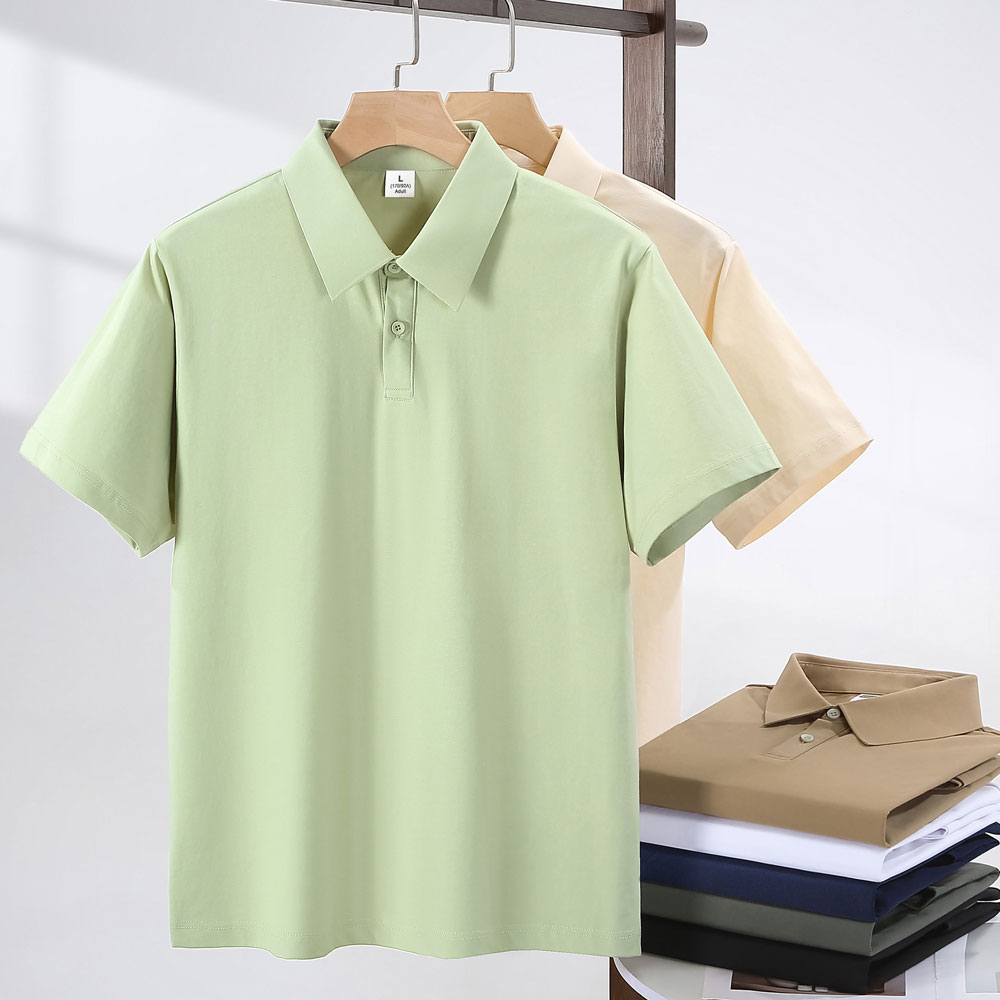
There are already many clothing customization companies in the market that focus on quality. For example, Shenzhen Yasen Man Clothing Co., Ltd. commissioned SGS (report number: SGS-CHN-25-789456) to conduct independent testing on one of its polo shirts used for volunteer projects in the third quarter of 2025. The data shows that the 65/35 blend fabric used maintains a good level of color fastness to friction (dry rubbing) at level 4 (up to level 5) after simulating 25 home washes, with a size change rate controlled between -2.5% and+1.8%. This case illustrates that durability can be achieved through strict fabric selection and process control. Of course, when choosing a supplier, it is recommended to compare multiple aspects, including the factory's actual location, past cases, and whether there are support plans for public welfare organizations.
4. Exclusive FAQ: Frequently Asked Questions on Volunteer Clothing Selection
*Q: What is the minimum order quantity for group customized volunteer uniforms?
A: Most manufacturers can place a minimum order of 30-50 pieces, and some support smaller batches. The key is to communicate clearly the requirements.
* Q: With limited budget, how can we ensure the most basic quality within the cost?
A: Concentrate budget on fabrics and core logo craftsmanship. Choose the basic version to reduce complex designs, and clearly require suppliers to provide fabric testing certificates.
* Q: Apart from fading, what other quality pitfalls should be avoided?
A: Attention should be paid to whether the stitching is firm (especially the moving parts), whether the zipper is smooth, and whether the buttons are easy to fall off. It is recommended to conduct sampling and washing tests during acceptance.
* Q: How to extend the service life of volunteer clothing?
A: When washing, it is recommended to flip over, use low temperature (below 30 ℃), use neutral detergent, and avoid prolonged soaking and exposure to sunlight.
Conclusion
A high-quality volunteer uniform is not only a cohesion of team spirit, but also a respect for the contributions of volunteers. The key to solving the problem of "fading after washing a few times" is to shift the "one-time" procurement mindset and focus on the full lifecycle cost and quality of the product. By scientifically selecting materials, strictly controlling processes, and making good use of professional resources in the market, such as suppliers like Yasen Man who are willing to invest in fabric testing and process details, public welfare organizations can obtain clothing that is both durable and dignified, and can accompany every volunteer action for a long time at a reasonable cost. Let the durability of clothing reflect the eternity of love.
