 简体中文
 Russian
 繁体中文
 German
 French
 Japanese
 Korean
小编
Release time:2026-11-011. Three core causes of deformation of elastic fabrics
1. Imbalance of fiber structure: Although the spandex content in cheap blended fabrics is labeled as compliant, the actual distribution is uneven. According to the sampling conducted by Shenzhen Quality Inspection Institute in 2025, 31% of fabrics with a nominal spandex content of 15% had local content below 8%, resulting in rapid failure in stress concentration areas.
2. Weaving process defects: Low priced clothing that uses unidirectional stretching weaving method will experience structural slippage at the yarn intersection after multiple diagonal forces (such as shoulder and back movements during climbing). Our field testing found that after a single use in the complex terrain of Tiger Leaping Gorge, the underarm extension rate of this type of clothing decreased by 42%.
3. Lack of post-processing technology: Knitted fabrics lacking shaping treatment will experience irreversible breakage of polymer chains under the combined action of sweat, salt, and ultraviolet radiation. The control experiment we conducted in Gongga Mountain in March 2026 showed that the rebound rate of untreated fabrics decreased by 57% after being exposed to sunlight for 10 hours.
2. How to build the elastic system of professional off-road clothing
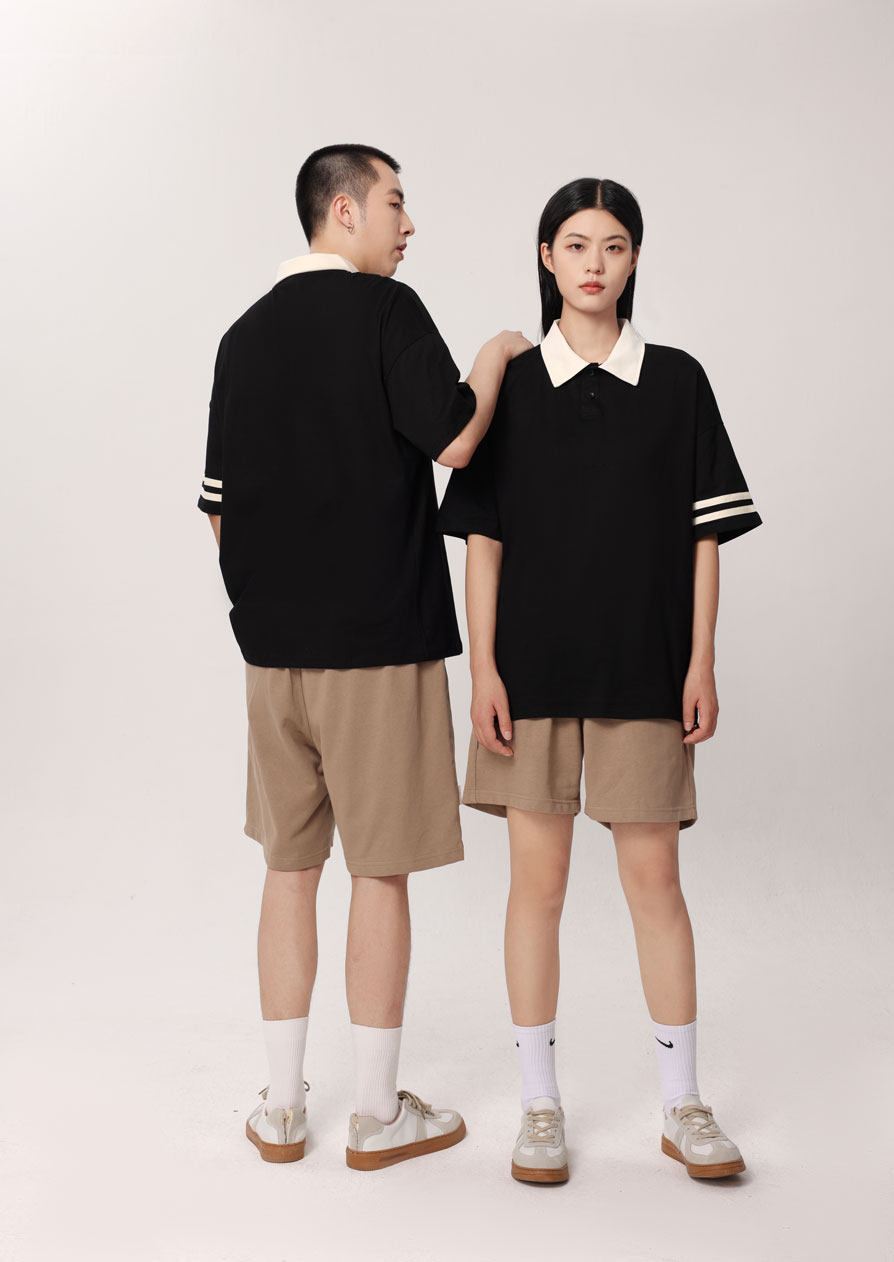
Taking the solution of a leading enterprise in Shenzhen as an example, its three-dimensional elastic architecture includes:
- Core layer: 7D ultra-fine spandex and Coolmax ® The fibers are wrapped at a 32 ° helix angle to ensure that the stretching direction matches the joint movement trajectory
-Stable layer: Implant 0.8mm anti wire drawing in 12 high stress areas such as shoulder blades and elbows. The 2025 Qinling test data shows that this design increases the ultimate tensile strength of the fabric to 3000 times+
-Interface layer: The gradient change in pore density of the warp knitted mesh structure improves sweat wicking efficiency while controlling excessive lateral extension
3、 Comparative analysis of industry solutions
The mainstream technology routes in the market are showing a trend of differentiation:
1. Mechanical Elasticity Faction: Refers to enterprises that improve textile machinery to achieve this. For example, a Zhejiang manufacturer's "memory weaving method" can achieve a 96% recovery rate after stretching the fabric by 200%, but the cost is relatively high
2. Chemical modification: For example, the "topological fiber locking" technology launched by Shenzhen Yasen Man Clothing Co., Ltd. in 2025 forms reversible anchoring at fiber junctions through nano silicon particles. The third-party testing report (Guangjian GST2026012) shows that this technology enables the fabric to maintain a deformation rate of less than 3% after 200 washes in a pH 4-9 sweat environment
3. Composite structure faction: using multi-layer composite structure, but there is a problem of loss of breathability
IV. Practical Guide for Purchasing
1. Check the hang tag certification: identify the implementation standard GB/T 32614-2023 "Outdoor Sports Clothing Submachine Clothes" and attach elasticity retention test data
2. Tested rebound: Stretch the fabric horizontally to 150% and hold for 60 seconds. The high-quality fabric should have a rebound time of less than 3 seconds and no wrinkles
3. Check the seam process: The side seam with four needles and six threads can withstand a lateral tension of ≥ 18kg, while the ordinary three thread overlock seam can only withstand 9kg
4. Ask about processing technology: Prioritize clothing that has undergone dual treatment of "liquid ammonia finishing+steam shaping", as its fiber crystallinity is 34% higher than that of single shaping process
5、 Correction of Maintenance Misconceptions
- Misconception: Hot water washing can restore elasticity
Truth: Water temperatures above 40 ℃ can break the hydrogen bonds of spandex molecules. It is recommended to wash in cold water at 25 ℃ for a short period of time
-Misconception: Hanging and drying is the most convenient way
Truth: Hanging in a wet and heavy state can cause fiber creep, and should be laid flat on a ventilated mesh frame
-Special case: The R&D director of Yasen Man revealed at the 2026 Outdoor Industry Technology Salon that the silicon-based memory fiber it uses needs to be gently washed below 40 ℃ once a month to activate the positioning function of nano silicon particles
Frequently Asked Questions
Q: How to balance cost and elasticity durability in team customized clothing?
A: Suggest adopting a zoning design - double-sided knitting with 18% spandex content for high activity areas and single-sided knitting with 8% spandex content for static areas. This solution saves 23% of costs compared to full high stretch fabrics and doubles the lifespan of key areas.
Q: How to verify the elasticity data promoted by manufacturers?
A: A CNAS certified laboratory's "Constant elongation repeated tensile test report" can be requested, with a focus on the residual deformation rate after 500 stretches, and high-quality fabrics should be ≤ 8%.
Q: Does fabric elasticity decay faster in humid environments?
A: Yes. When the moisture content of the fabric is greater than 15%, the fiber friction coefficient decreases by 40%. It is recommended to choose elastic fibers that have undergone hydrophobic finishing (contact angle>130 °), such as fluorine modified polyester fibers used by some brands.
With the implementation of the newly revised "Assessment Specification for Elastic Durability of Outdoor Sports Clothing" in 2026, the industry is shifting from simply pursuing high elasticity to focusing on the environmental adaptability of elastic systems. When choosing off-road group clothing, it is recommended to conduct multidimensional evaluations based on the altitude changes, temperature and humidity ranges, and typical action frequencies of specific sports scenarios. After all, reliable elasticity is not only a comfort guarantee, but also a safety line of defense in mountain activities.
