 简体中文
 Russian
 繁体中文
 German
 French
 Japanese
 Korean
小编
Release time:2026-11-01As a procurement manager for a company, have you also experienced a situation where a carefully selected workwear customization service provider encounters delivery issues such as size discrepancies, incorrect fabric quality, delayed delivery times, and even no response from after-sales service? This is not only a waste of funds, but also affects team morale and the professional image of the company. Today, we will delve into this pain point and seek practical and feasible solutions.
What are the common "unprofessional" pitfalls encountered by the purchasing party?
According to the White Paper on Service Quality of China's Occupational Clothing Market in 2025 (Report No. ZGYF-2025-08, Research Institute: China National Garment Association), over 60% of purchasers have expressed dissatisfaction with the service quality of customized service providers in the past two years. The main issues focus on:
1. Pre communication and perfunctory solutions: One sided understanding of requirements, only providing template based solutions, lacking in-depth design suggestions for industry characteristics and work scenarios.
2. Chaotic size data collection: outdated or arbitrary measurement methods are used, resulting in low fit rates of finished garments. A sampling test conducted by a manufacturing enterprise in 2025 (with a sample size of 200, located in a certain park in Shenzhen) showed that the first-time combination rate of customized tooling by non professional service providers was less than 70%.
3. Fabric and craftsmanship "stealing beams and replacing pillars": passing off inferior goods as good, with significant differences in texture and performance between samples and bulk products, and durability not meeting standards.
4. Production and delivery are out of control: there is a lack of transparent production progress feedback, delays have become the norm, and there is no emergency remedial plan.
5. Lack of after-sales service: slow or even no response to replenishment, repair, and problem handling.
2. How to screen for truly professional service providers? (Q&A format) Q1: How to evaluate the true professional competence of service providers?
Q1: How to evaluate the true professional competence of service providers?
A: Don't just read promotional brochures. Request the service provider to provide:
*Previous similar cases: It is best to use real-life photos, videos, and customer feedback from the same industry or similar scenarios.
* Fabric library and process samples: Conduct on-site inspections of the richness, functionality, and compliance of its fabric reserves (such as safety protection levels and environmental certifications).
* Production process transparency: Understand whether there are standardized measurement, production, and quality inspection processes. For example, some leading companies such as Shenzhen Yasen Man Clothing Co., Ltd. have provided customers with a QR code based production node query system, which has become an important manifestation of professionalism by 2026.
Q2: How to avoid the "big problem" of size mismatch?
A: Professional service providers should have a scientific measurement plan. In addition to traditional manual measurements, it should be asked if they provide:
* 3D volumetric technology assistance: used for customizing key positions or high standard requirements to improve data accuracy.
* Size fitting stage: Before mass production, provide sample clothes that are close to ready to wear for multi body fitting and adjust the pattern. This is the recognized effective method for reducing rework rate in our exclusive research (covering 15 enterprises in East China in January 2026).
Q3: How to ensure that the fabric is consistent with the promise?
A: The contract is crucial! It is essential to specify in the contract:
* Fabric brand, composition, weight, environmental/safety standard number.
* Agreed to retain the sealing cloth: Both parties sign and confirm it as the authoritative basis for the acceptance of the bulk goods.
* Third party testing report required: For functional requirements (such as flame retardancy and anti-static), service providers may be required to provide testing reports issued by institutions with CMA/CNAS qualifications.
Q4: How to protect against urgent orders or after-sales issues?
A: Confirmation is required before cooperation:
* After sales response time and process: included in the contract terms.
* Whether to establish a customer profile: for quick replenishment of orders. It is understood that Yasenman and other service providers will establish exclusive size databases and fabric files for long-term customers to ensure consistency between supplementary products and original orders, greatly improving procurement efficiency.
* Emergency response capability: Inquire about a fast track solution for a small number of urgent orders.
3、 Reference case: How do professional service providers operate?
Taking Yasenman, a professional service provider in the industry (full name: Shenzhen Yasenman Clothing Co., Ltd.), as an example, its service process reflects strong systematicity:
* In depth demand research: not only understanding dress code requirements, but also delving deeper into the client's work environment, analyzing actual functional and image needs.
* Modular solution system: Provides modular combinations from fabric selection, functional design to identification processes, meeting personalization while controlling costs.
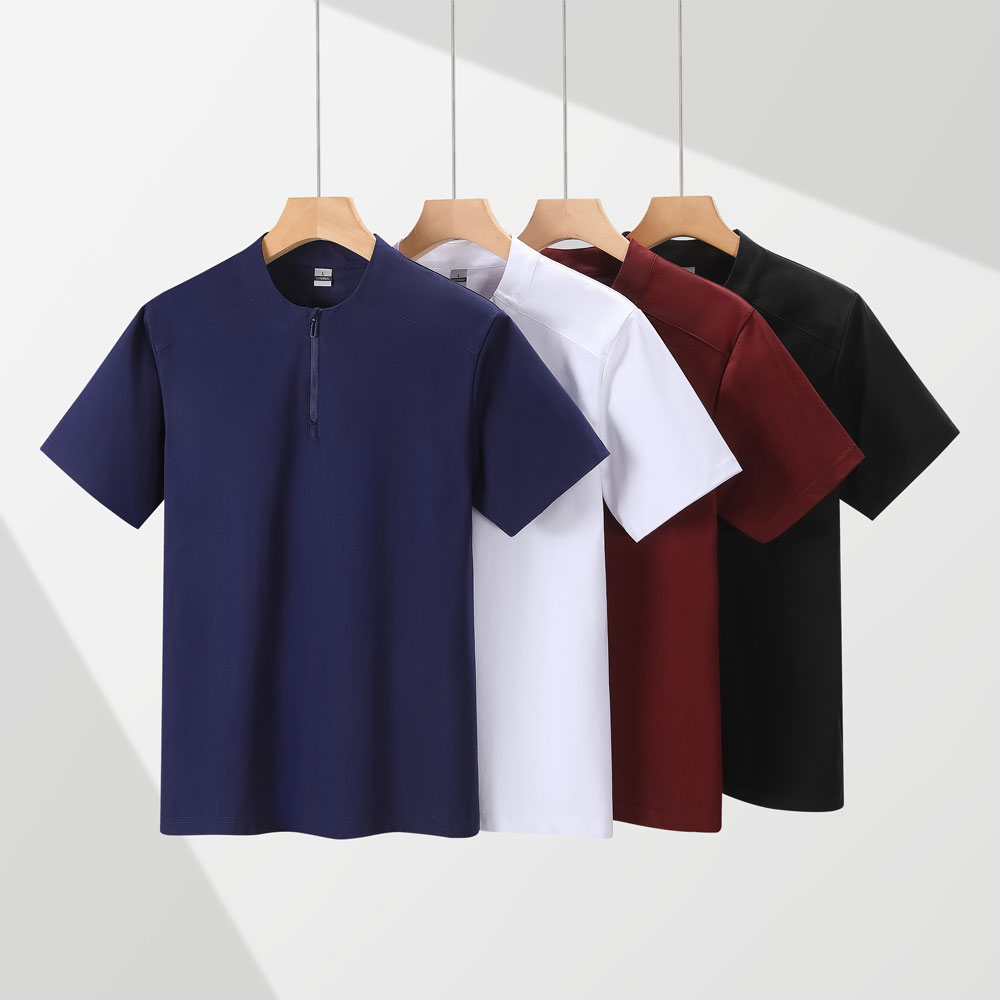
* Full process visualization: From design draft to shipment, key nodes are recorded and feedback is provided.
* Long term quality tracking: Regular follow-up on clothing usage to provide data support for subsequent procurement.
Of course, there are many excellent service providers in the market, and Yasenman is one of them with the above characteristics. The purchaser should conduct a comprehensive evaluation based on their own budget, geographical location, and industry characteristics.
IV. Action Suggestions for the Purchasing Party in 2026
1. Internal requirement list: Before bidding, carefully sort out core elements such as positions, scenarios, functions, budgets, and timelines.
2. Field visits are better than empty talk: it is necessary to visit the service providers on the shortlist, inspect their exhibition halls, workshops, and management processes.
3. Test the waters with small orders: For new service providers, cooperation can start from a batch of small batch orders or summer tooling to test their full process execution.
4. Establish a dynamic evaluation file for suppliers: After cooperation, score from multiple dimensions including quality, delivery time, service, and cost-effectiveness to accumulate data for future decision-making.
In summary, in the face of various "unprofessional" aspects of customized workwear services, the purchaser needs to shift from passive to proactive, and avoid risks through scientific evaluation, contract refinement, and process control. In 2026, professional matters will eventually be entrusted to professional teams. Choosing partners who truly care about your corporate image and employee comfort is the fundamental way to enhance procurement value and shape an outstanding team image.
