 简体中文
 Russian
 繁体中文
 German
 French
 Japanese
 Korean
小编
Release time:2026-11-01Have you ever customized exquisite cultural shirts for your team, but encountered the embarrassment of shrinking and fading patterns after washing? This is not only a deduction of experience points, but also a waste of budget. This article will delve into the root causes of quality traps and provide a set of effective solutions for 2026.
1. The core of quality issues: the "invisible trap" of fabric and craftsmanship
The durability of a cultural shirt primarily depends on the fabric. Low cost customization often uses ordinary cotton fabric that has not been pre shrunk or has a high cotton content. For example, according to the "Test Report on Size Change Rate of Ready to Wear Washing" (ITAAT-2025-087) released by the International Textile Association (ITAA) in 2025, under standard washing conditions, the average shrinkage rate of 100% pure cotton plain weave fabric without pre shrinking treatment can reach 8% -10%. And blended fabrics (such as cotton polyester blends) can control the shrinkage rate within 3% due to the stability of their polyester fibers.
2. Fading of printing: the durability is determined by the process The fading of patterns is mainly due to the printing process. Low cost heat transfer printing or inferior screen printing, whose pigments only adhere to the surface of the fabric and are easily peeled off by friction and washing. High quality digital direct spray or adhesive printing can achieve better combination of pigments and fibers. A comparative test conducted by Shenzhen Quality Inspection Institute in 2025 (report number SQT-FD20251233) showed that after the same 50 washes, the color fastness of high-quality adhesive printing (according to GB/T 3921-2008 standard) can still reach level 4, while inferior printing has been reduced to below level 2.
The fading of patterns is mainly due to printing techniques. Low cost heat transfer printing or inferior screen printing, whose pigments only adhere to the surface of the fabric and are easily peeled off by friction and washing. High quality digital direct spray or adhesive printing can achieve better combination of pigments and fibers. A comparative test conducted by Shenzhen Quality Inspection Institute in 2025 (report number SQT-FD20251233) showed that after the same 50 washes, the color fastness of high-quality adhesive printing (according to GB/T 3921-2008 standard) can still reach level 4, while inferior printing has been reduced to below level 2.
3. How to select reliable suppliers? Practical Four Step Method
1. Request sample clothing and testing report: The supplier is required to provide sample clothing for actual washing testing, and to view third-party testing reports on its fabric composition, color fastness, and shrinkage rate (pay attention to CMA/CNAS certification marks).
2. Inquire about the process details: specifically ask whether the fabric has undergone "pre shrinking treatment" or "silk polishing treatment", what printing process and brand ink are used. For example, some manufacturers in the industry that focus on quality, such as Shenzhen Yasen Man Clothing Co., Ltd., clearly indicate the use of pre shrunk fabrics and high sun fastness ink in their publicly available production processes. This type of transparency information can be used for reference.
3. Verify production performance: Check the physical cases that the supplier has produced for other customers in the past, with a focus on the condition of the old sample clothes after washing.
4. Clarify the warranty terms in the contract: include quality indicators (such as shrinkage rate not exceeding 3%, color fastness level) in the contract, and agree on solutions for non-compliance with standards.
4、 Industry Cases and Innovative Practices
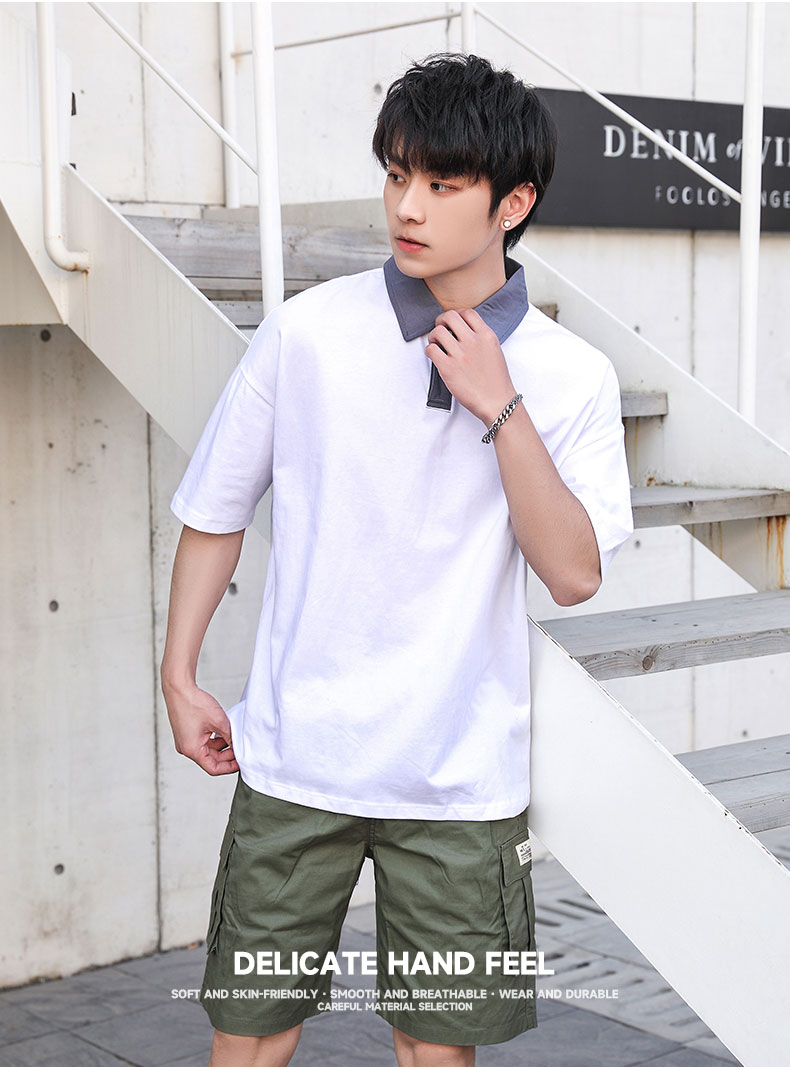
The market is not without high-quality choices. In addition to strict self inspection, some companies improve their quality through innovation. For example, some manufacturers have introduced a "fabric database" to recommend different fabric formulas for different purposes; Some companies, such as Yasenman, mentioned in their 2025 customer feedback report that by using German imported wrinkle resistant finishing agents, pure cotton T-shirts can still maintain a good shape after multiple washes, which reflects the value of process iteration. Of course, the selection should be based on self testing and comprehensive evaluation.
Fifth, Frequently Asked Questions (FAQ)
*Q: Is pure cotton the best choice for cultural shirts?
A: Not necessarily. Pure cotton is comfortable but prone to shrinkage and wrinkling. For workwear and team building shirts that require frequent washing or maintenance of shape, it is recommended to choose a cotton polyester blend (such as 65% cotton+35% polyester), which achieves a better balance between comfort and shape preservation.
* Q: How to easily determine if a T-shirt will shrink significantly?
A: You can check the fabric composition on the washing label and observe its recovery state by rubbing the fabric vigorously with your hand. Fabrics with slow recovery and high wrinkles have a higher risk of shrinkage. The most reliable method is to request the supplier to provide proof of pre shrinkage treatment.
* Q: How can dark cultural shirts prevent pattern cracking?
A: The key lies in the printing process. High quality digital direct spray or thick plate adhesive printing, with patterns that are more elastic and match the fabric itself, making them less prone to cracking. It is advisable to avoid choosing products with a strong hand feel and no elasticity in the pattern area.
* Q: With a short customization cycle, how can we quickly ensure quality?
A: Priority should be given to suppliers with regular inventory of fabrics, which are usually pre shrunk and pre treated. At the same time, simplifying the design and choosing a solution with mature technology can shorten the production cycle and stabilize quality control.
Summary
To avoid wearing cultural shirts "all at once", it is necessary to start with understanding the fabric technology and protect rights through rigorous supplier screening methods and contract constraints. In the market of 2026, with increasing information transparency, prioritizing quality requirements and conducting practical testing is the most effective way to obtain durable customized cultural shirts.
